
Why go
A place to travel slowly.
The Makran coast trades lush scenery for scale and geology. Gwadar's hammerhead peninsula overlooks two bays, while the coastal highway passes the sculpted ridges and mud formations of Hingol National Park. Long distances, limited services and exposed conditions make a reliable vehicle and careful logistics essential.
Know the place
A fuller guide to Gwadar and Hingol.
The Makran coast is defined by distance, geology and the meeting of desert with the Arabian Sea. Gwadar occupies a hammerhead peninsula between two bays, while the coastal highway east passes broad beaches and the sculpted terrain of Hingol National Park. The route itself is the main experience, and it demands more preparation than a conventional beach holiday.
Three to five days can connect Gwadar with selected coastal and national park stops. Long driving hours, sparse services and exposed conditions require a reliable vehicle, experienced driver, water, fuel planning and current security guidance. Travellers should never assume remote beaches have rescue, sanitation or mobile coverage.
Gwadar's headland and bays
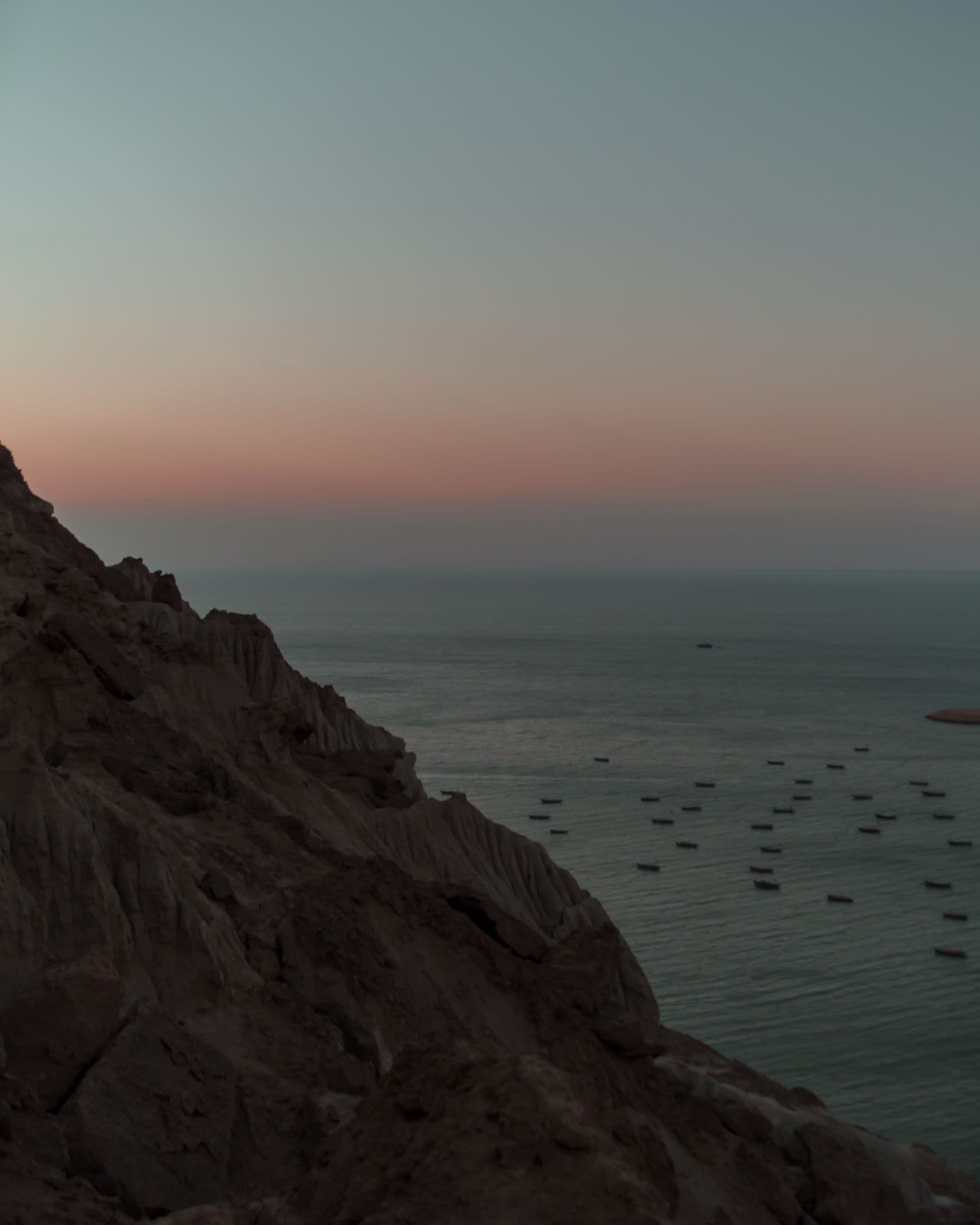
The elevated headland gives a clear sense of the peninsula's geography and the contrast between East and West Bays. Port activity and security restrictions affect where visitors may go. Follow local instructions, avoid photographing restricted infrastructure and treat fishing areas as working communities rather than empty scenery.
For the wider setting and ways to connect nearby places, read our Balochistan regional guide.
Hingol and the coastal highway
Hingol National Park protects a vast range of arid habitats, river landscapes and geological formations. The famous roadside shapes are only a small part of the park. Leave the highway only with suitable guidance, carry emergency supplies and avoid disturbing wildlife or fragile terrain.
Beaches without facilities
Kund Malir and other beaches can appear calm while currents, heat and isolation create real risks. Swim only when local advice supports it, never leave waste and do not drive on sensitive beach habitat. Shade, drinking water and a clear departure time are basic safety requirements.
Explore related places and journey ideas in Coastal escapes.
Select a coastal corridor rather than a provincial checklist
Decide whether the aim is a Gwadar-based stay or a staged coast journey with selected Hingol-area stops. They create different accommodation and driving requirements. A full outward road day should not be advertised as though it provides several unhurried attraction visits too. Choose where the driver and group rest, and give the return the same attention as the more eagerly anticipated outbound journey.
Keep Quetta and Ziarat out of a short coastal programme unless a much longer, currently appropriate itinerary has been designed. They are different areas with different seasons and logistics. Within the coast, stop at places where access and the local setting make a visit suitable. The most satisfying journey may include fewer formations or beaches, with more time to notice the transition between sea, dry terrain and working settlements.
Geology, devotion and a working shore
Hingol's weathered scenery is not the same as an archaeological site, and famous names for natural shapes should not be turned into invented historical claims. Stay on appropriate approaches and avoid disturbing fragile terrain. Some visits in the wider area involve Hindu sacred places and pilgrimage traditions, requiring specific arrangements and respectful conduct. A religious stop should not be casually added to a geology outing without understanding its context.
Around Gwadar, fishing activity and port functions are part of the setting. Follow restrictions and avoid photographing sensitive infrastructure. Seek permission for portraits and keep clear of working access to boats or the shore. A beach scene does not establish a safe swimming place, public facilities or unrestricted camping. Clarify the actual activity and local provision before deciding how it fits the day.
The services and access that make the journey workable
Confirm the route's current suitability and any requirements for your nationality before paying. Ask the operator about the intended stops, overnight properties and applicable permissions. Do not use another traveller's past visit as clearance. If camping is included, agree on access, sanitation, water, lighting and waste removal. A coastal room should have the same clear description of bedding, bathroom and cooling as any other paid accommodation.
Transport, driver time, fuel and overnight arrangements are major budget items. Include a sensible reserve, reliable water and a plan for limited connectivity without treating those preparations as permission to ignore official advice. Travel in appropriate daylight stages and protect the final connection home. The coast's openness is its visual appeal, but a professional itinerary recognises that an apparently empty landscape still has communities, habitats and practical limits.
When you are ready to compare organised trips, search packages including Gwadar and Hingol. Availability depends on the tourism companies' current listings.
Build the route
Three anchors for the journey.
Gwadar headland
Elevated views over the East and West bays and the curved coastline beyond.
Hingol National Park
Pakistan's largest national park, with arid mountains, wildlife habitat and striking formations.
Kund Malir
A broad beach stop along the Makran Coastal Highway, framed by dry hills.
Plan responsibly
Useful context, confirmed closer to departure.
Season windows are planning guidance, not live access guarantees. Road conditions can change quickly. For a booked package, the tourism company must confirm that the relevant roads are open and the trip can proceed.
- Check current security and road guidance before departure.
- Carry more water and fuel margin than the planned journey requires.
- Use an experienced coastal driver and a mechanically sound vehicle.
- Avoid night driving and do not rely on continuous mobile coverage.
Research reference: official tourism or heritage information. Access and operating details should still be confirmed close to travel.
Add Gwadar and Hingol to a journey or compare packages that include it. Published packages show their current availability, while final operating confirmations remain the tourism company's responsibility.