
The Wayzari regional guide
Plan for the distances, then give the landscape time
Research checked
Balochistan's appeal is not only its scale. Along the Makran coast, the road moves between sea, dry slopes and weathered formations, with settlements giving the journey a human rhythm. Inland, a highland stay around Quetta and Ziarat belongs to a different landscape and season. Those contrasts make the province interesting, but they also make a single generic touring programme a poor guide to what a visitor should expect.
Choose a corridor first and verify whether the proposed journey is currently appropriate for you. Security conditions and access requirements can vary by route and nationality; this guide is not permission to travel. A locally experienced operator, confirmed accommodation and sensible daytime stages are more useful than a long list of remote stops. The reward is time to notice the landscape without treating every stretch of open road as effortless travel.
- Different journeys
- Makran coast or a separately planned Quetta and Ziarat stay
- Main planning issue
- Distance, services and current route-specific access
- Before committing
- Confirm transport, overnight facilities and applicable permissions
The Makran coast is a staged road journey
Kund Malir, the Hingol landscape and the coast towards Gwadar can shape a route, but they should not be presented as neighbouring stops that require no planning. Decide where the day ends and where meals, fuel and accommodation are actually available. A long coastal transfer needs to be shown as a transfer, even when the scenery is a major reason for taking the road.
Choose a smaller number of meaningful pauses and stop only where it is appropriate and safe. Gwadar can provide a town-based stay rather than simply the furthest point before a rushed return. Establish which visits are currently permitted and whether a guide is needed. A photograph of an empty beach does not prove unrestricted visitor access, dependable facilities or a practical place to spend the night.
Hingol: distinguish geological scenery from sacred visits
Hingol's landscape is known for dramatic weathered formations, but not every feature is a designated visitor stop. Use local knowledge to understand where viewing is appropriate and how to avoid damaging the terrain. Do not leave the established approach for a closer photograph without guidance. Keep enough time for the onward drive, and avoid treating the landscape as an unlimited playground because it looks sparsely inhabited.
Some journeys in the area also involve Hindu sacred places and pilgrimage traditions. These require respectful conduct and specific arrangements, not a casual addition to a sightseeing circuit. Ask what is welcome, how access is organised and where photography is inappropriate. Natural scenery, wildlife habitat and religious significance can occupy the same wider landscape while requiring different forms of attention from the visitor.
Keep the highlands as a distinct itinerary
Quetta and Ziarat offer a different basis for a trip from the coast. Highland weather, overnight facilities and the approach route should be considered on their own terms. Do not attach them to a short Makran programme merely to increase the number of names in the package. If these areas are central to your interest, build a separate stay with a locally informed plan and confirmed current arrangements.
UNESCO recognises the Ziarat juniper forests through its biosphere programme. That is not the same designation as an inscribed World Heritage property, and sweeping claims about the age of every tree are not a useful substitute for understanding the ecosystem. Visit with care, avoid fire and damage to vegetation, and seek appropriate local guidance for any walking beyond a straightforward established outing.
A suitable season does not establish a suitable route
Cooler conditions can make exposed coastal and arid-land outings more comfortable, while highland stays have a different seasonal rhythm. Heat, wind, rain and sea conditions can change what is enjoyable or appropriate on a particular day. Check the actual forecast and local arrangements, then keep the programme flexible. A comfortable temperature should never be treated as evidence that security or access questions have been resolved.
Before paying, confirm requirements for your nationality, the precise road, the intended stops and accommodation. Follow official restrictions and current instructions, including any permit or escort arrangements that apply. Avoid relying on old stories about who travelled independently where. Where the proposed route is not appropriate, postpone or choose another destination rather than trying to improvise around restrictions or turn an uncertain situation into a travel challenge.
Book the facilities behind the view
Ask about the actual room, bathroom, cooling or heating, power, drinking water and meals. A beachside setting does not guarantee a serviced stay. If camping is proposed, agree on permission, sanitation, lighting, security and who removes waste. Water activities need their own assessment of local conditions and competent provision; a beautiful shore should not be advertised as automatically suitable for swimming.
Coastal settlements are working places, not empty backgrounds. Respect fishing activity, boat access and residents' privacy. Ask a host about local food and what can be prepared during your stay, communicating dietary needs early. Elsewhere in the province, cultural and culinary traditions differ. Avoid presenting one dish, dress or craft as if it defines every community, and pay fairly for guiding or hosted encounters.
Pay for dependable logistics and a considered return
Transport is a major part of the budget on a long-distance route. Obtain a clear quotation covering the driver, fuel, overnight costs, local guiding and any additional vehicles. Confirm luggage space and seating rather than accepting a generic vehicle description. Arrange fuel and water stops, daylight travel and a realistic plan for delays. Remote scenery does not remove the need for ordinary mechanical and communications preparation.
Keep reserve cash, essential contacts and an offline itinerary where connectivity or electronic payments may be limited. Agree on how access-related changes affect accommodation and payments before departure. Protect the journey home with a sensible margin rather than planning a long final drive immediately before an essential connection. Leave geological sites, shorelines and villages without litter, damage or additional work for the people who live there.
A starting point, not a fixed programme
Ways to shape the journey
A considered Makran coast journey
Five to seven days, subject to the confirmed route
Build daylight stages along the approved coastal corridor, with confirmed overnight facilities and selected Hingol and Gwadar-area visits. Give the return its own time rather than forcing it into the final sightseeing day.
A separate highland stay
Four or five days, plus gateway travel
Consider Quetta and Ziarat only with current route and accommodation confirmation. Focus on local context and suitable established outings rather than adding a distant coastal detour.
Before you decide
Does this guide mean the route is currently open to everyone?
No. Obtain current official and operator confirmation for your nationality, exact route and planned stops. Seasonal advice and landscape descriptions are not travel clearance or a safety guarantee.
Is Ziarat on the same short itinerary as Gwadar?
They should be treated as different journeys. Compare the full transfers and seasonal requirements before combining highland and coastal areas, and extend the trip substantially if a confirmed itinerary includes both.
Places in the region
Different places, one clear way in.
Use these guides to compare pace, season and character before adding anything to a route.
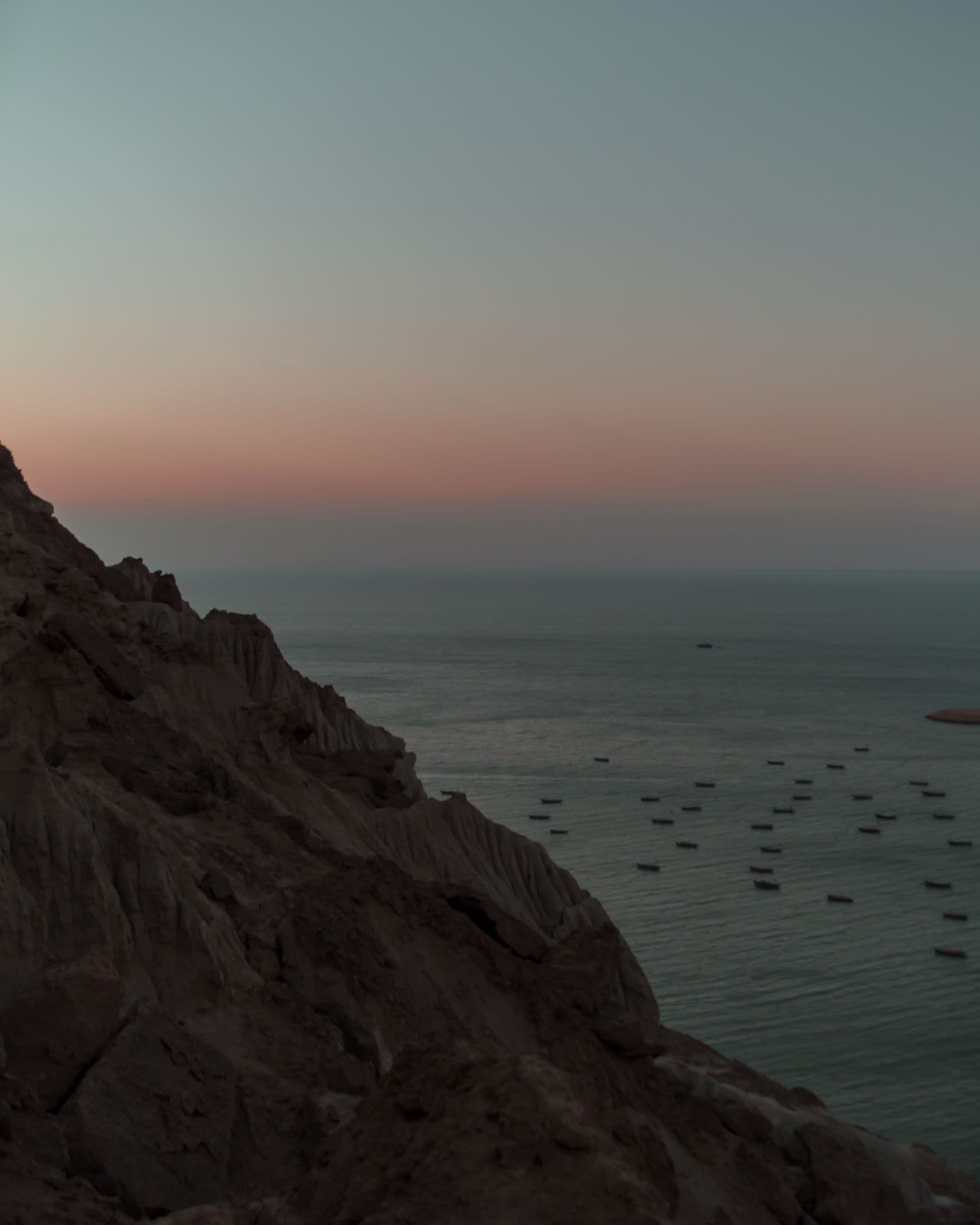
Gwadar and Hingol
A stark coast of headlands, desert formations and open sea.
Tourism-company journeys
A route already taking shape.
Use these destinations to plan an independent journey, or explore packages that fit your departure point and travel dates.