
The Wayzari travel guide
A road trip with somewhere to stop, not just somewhere to reach
Research checked
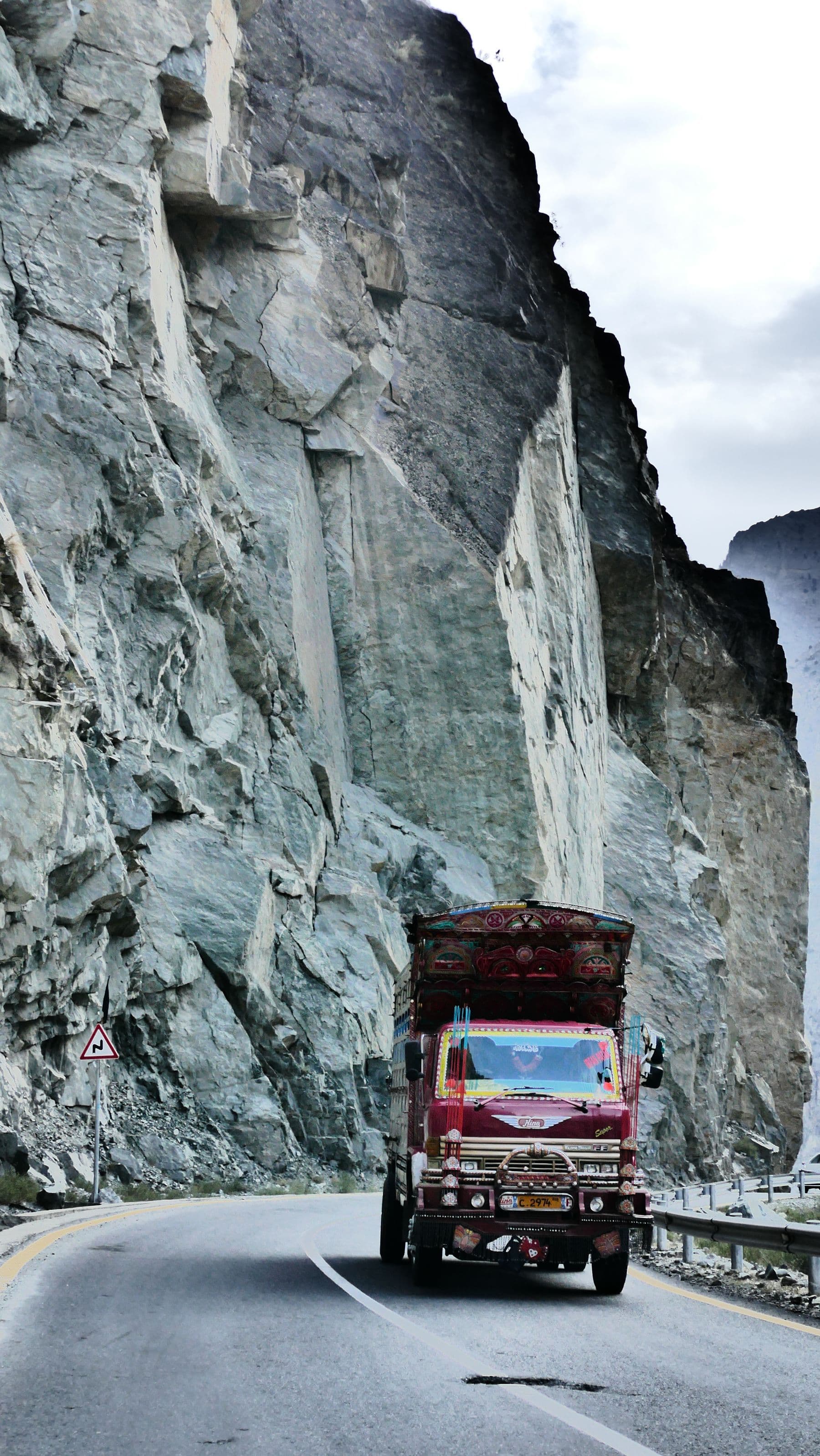
The reason to take the road is often what happens between the names on the map. A river widens, roadside buildings change, the mountains move from forest to bare slopes. A meal marks the point where a journey stops being a transfer and becomes part of the holiday. But long hours in a vehicle do not automatically make a trip memorable. You need somewhere sensible to pause and a reason to stop.
Start with the corridor and the time you genuinely have. Decide where you will sleep before adding viewpoints. The best road itinerary can explain each day's driving, where a different vehicle is needed and what changes if access fails. It should never depend on a driver making up lost time after dark or on a seasonal pass being open simply because a map draws a line through it.
- Choose a corridor
- Karakoram, Swat, Kaghan, Neelum or Makran, not all at once
- Plan each day
- Driving, breaks, activities and a confirmed overnight base
- Keep flexible
- Pass access, mountain flights and rough-road excursions
The road north has several different branches
An Islamabad departure towards Hunza follows a different journey from a holiday based in Swat. Skardu is another corridor, with a substantial approach of its own. The Kaghan and Babusar option is seasonal and should not be presented as the only way north. Ask the operator to name the planned route and alternative before accepting a schedule built around an upper pass.
For a first trip, move progressively along one corridor and place overnight stops to avoid retracing the same road. If Upper Hunza is important, consider moving your base rather than returning south after every excursion. Connecting Hunza and Skardu should appear as a travel day, not as a short link hidden between a morning activity and an evening hotel check-in.
Neelum and Makran need different expectations
The Neelum route benefits from nights placed along the river corridor instead of long return drives from the gateway. Upper-valley outings deserve a separate conversation about local transport, walking and access arrangements. Check requirements for your nationality and exact destination with the operator and relevant authorities; advice for one visitor is not necessarily advice for another.
Makran changes the emphasis to long coastal distances, water, fuel and confirmed services. Karachi, Hingol and Gwadar should not be compressed into a casual beach day. Specify the overnight stage and the permitted outings. The coastal highway connects working settlements as well as scenery, so respect fishing access and avoid sensitive infrastructure when stopping or photographing.
Give the driving day an honest shape
A map estimate does not include meals, traffic, roadworks, checkpoint delays or everyone wanting to get out at the same viewpoint. Use estimates as an initial sketch, then ask a current local driver to review it. Give a long transfer fewer sightseeing commitments. If several passengers need frequent breaks, that should shape the schedule from the start rather than becoming a problem on the road.
Choose safe stopping places with room to leave the traffic lane. Avoid parking on blind bends, bridge approaches or beneath unstable slopes. Make the last activity optional when it would force a late arrival. A day with one worthwhile walk and an early check-in can be better than an itinerary that looks impressive but leaves everyone too tired to notice where they are.
Book the vehicle for the road and the passengers
Confirm the vehicle, seat count, luggage space and working seat belts. A bus or coaster may suit a group on an appropriate road; a sedan may suit a main-road couple's journey; rough side tracks may require local jeeps. The names do not establish suitability on their own. Ask which sections use each vehicle and whether the price includes the transfer between them.
Driver experience, rest arrangements and vehicle condition matter more than decorative luxury. Confirm who pays for fuel, tolls, driver meals and overnight accommodation. If you self-drive, investigate the route and parking before leaving, and avoid treating unfamiliar mountain roads as an opportunity to learn difficult driving. A booked vehicle should not mean a driver is expected to work unlimited hours.
Put the alternatives in writing
Separate the base trip from optional jeep excursions, boat trips and entry fees. Ask what happens to accommodation and transport costs if a section is inaccessible. Keep money available for an unplanned night, carry offline booking details and establish how the operator will contact you when mobile coverage is poor. For remote stages, identify fuel and drinking-water stops rather than relying on finding something along the way.
Check weather, official travel advice and the operator's latest route confirmation close to departure. A forecast is not an access clearance. Never cross a road covered by flowing water or ignore a closure to preserve the itinerary. Use the Trip Planner to arrange stops and nights, then review the real transport plan before booking. Return home with photographs and memories, not an account of how narrowly the schedule was met.
A starting point, not a fixed programme
Ways to shape the journey
One northern corridor
Seven to ten days from the gateway
Choose Hunza or Baltistan. Break the gateway journey, stay several nights in the main valley and leave a buffer before returning. Discuss every side-road excursion separately.
A staged Neelum journey
Four to six days from Muzaffarabad
Place overnight stops progressively along the corridor. Keep upper-valley extensions conditional, and avoid using one distant base for all return excursions.
Before you decide
Does Open roads mean the route is currently open?
No. It names a style of travel, not a live road-status service. Access must be checked for the specific route and departure. Follow official restrictions and the tourism company's current operational confirmation.
Should I book a vehicle for the whole holiday?
Compare a continuous vehicle booking with transfers and locally arranged outings. A vehicle retained throughout gives flexibility, but may cost more on quiet days. Make sure either arrangement covers luggage, driver costs and any separate rough-road transport.
Places with this feeling
Different places, one clear way in.
Use these guides to compare pace, season and character before adding anything to a route.
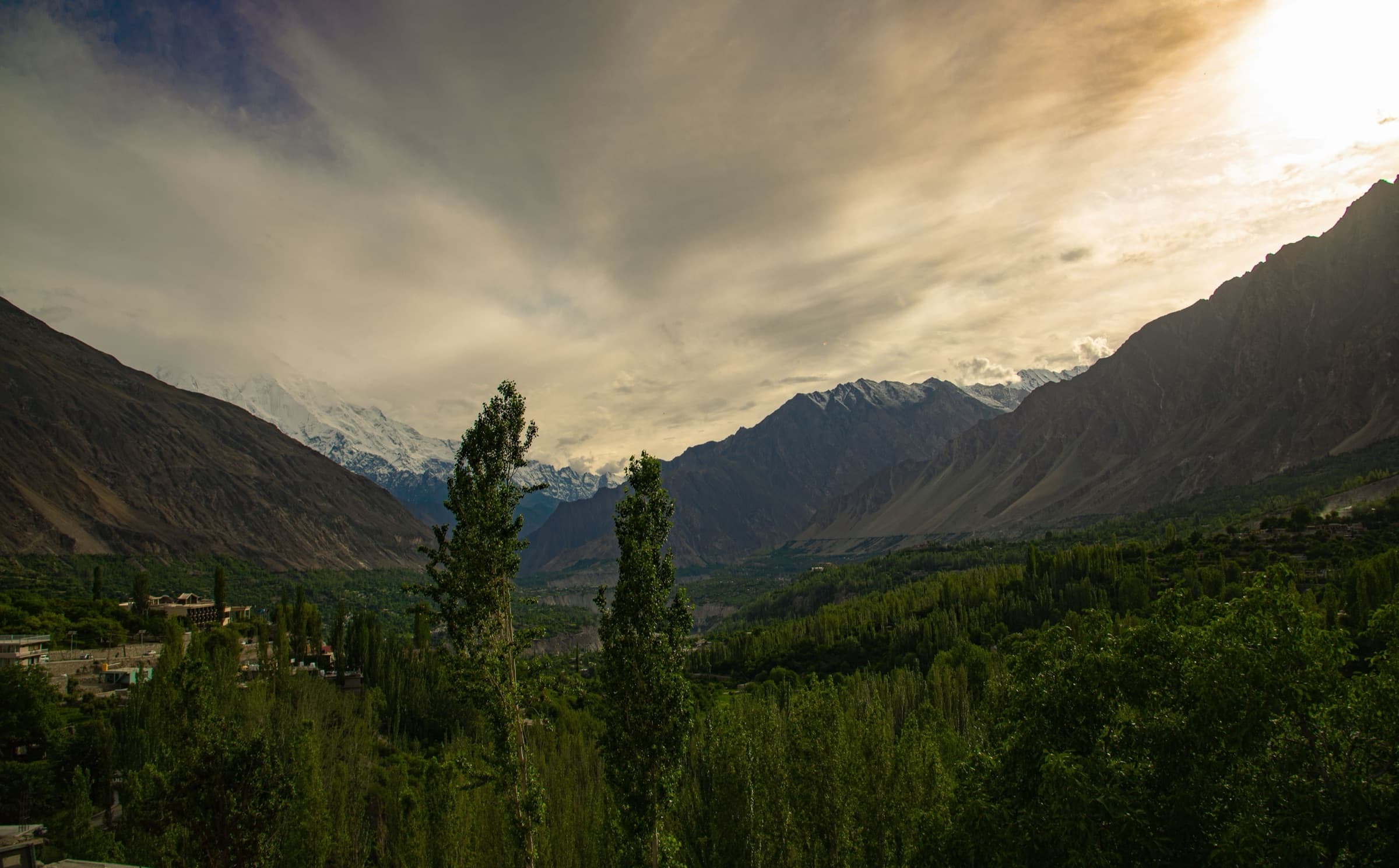
Hunza
A high valley of stone villages, orchards and immense horizons.
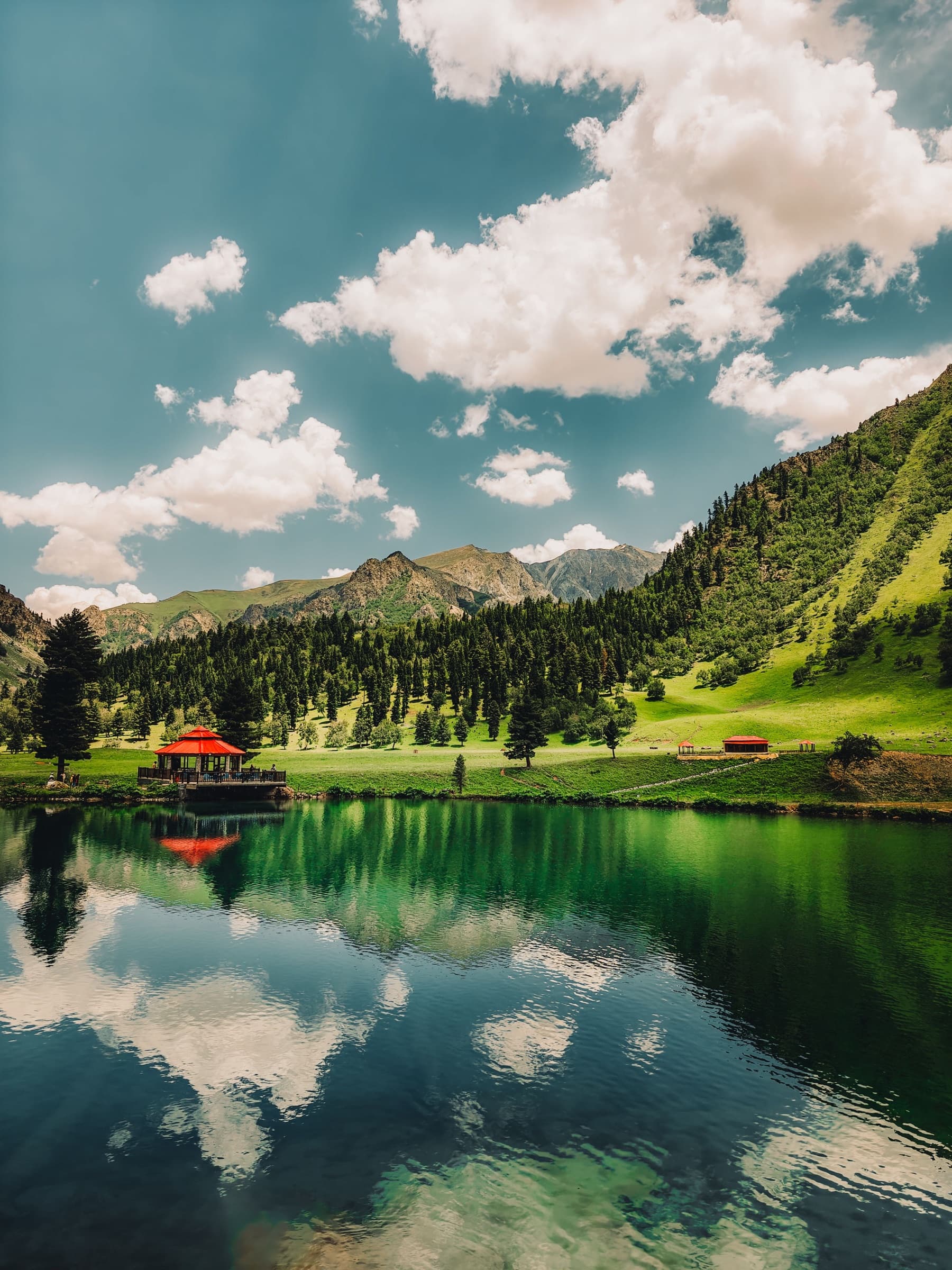
Skardu
Lakes, a high desert and the gateway to Pakistan’s great peaks.
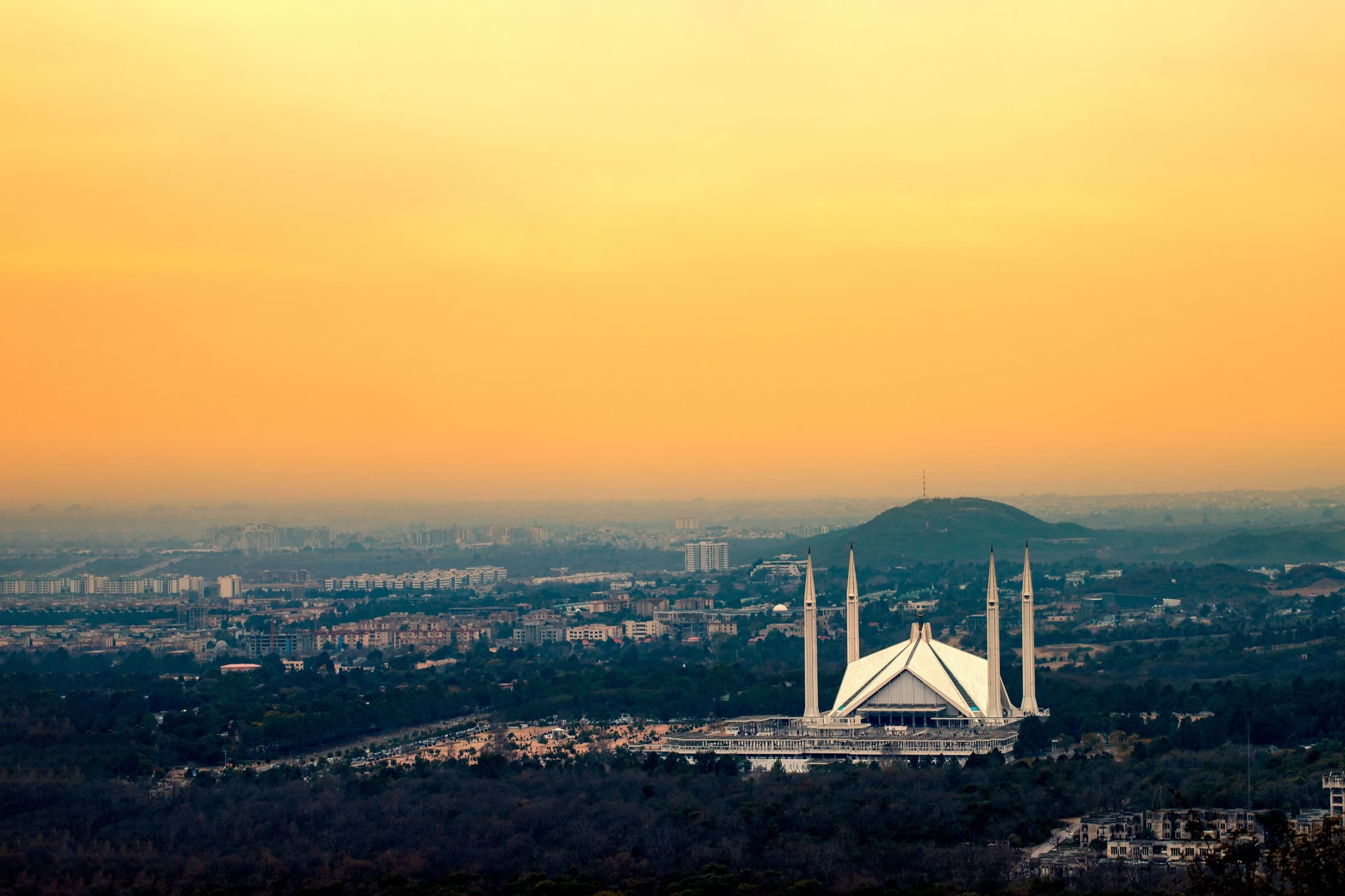
Islamabad
A green capital between modern landmarks and Margalla trails.
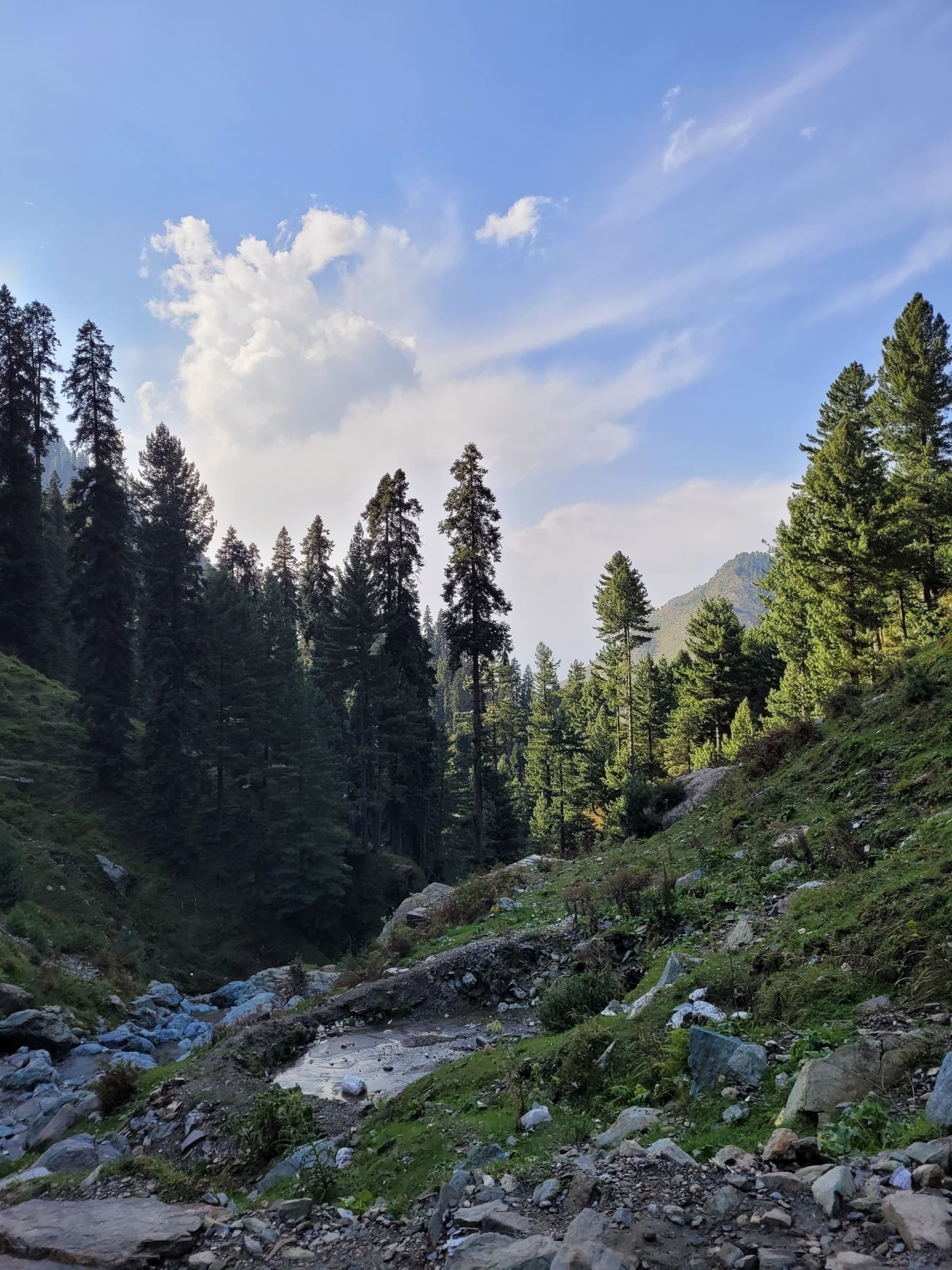
Swat
Forested valleys, mountain resorts and deep Gandharan history.
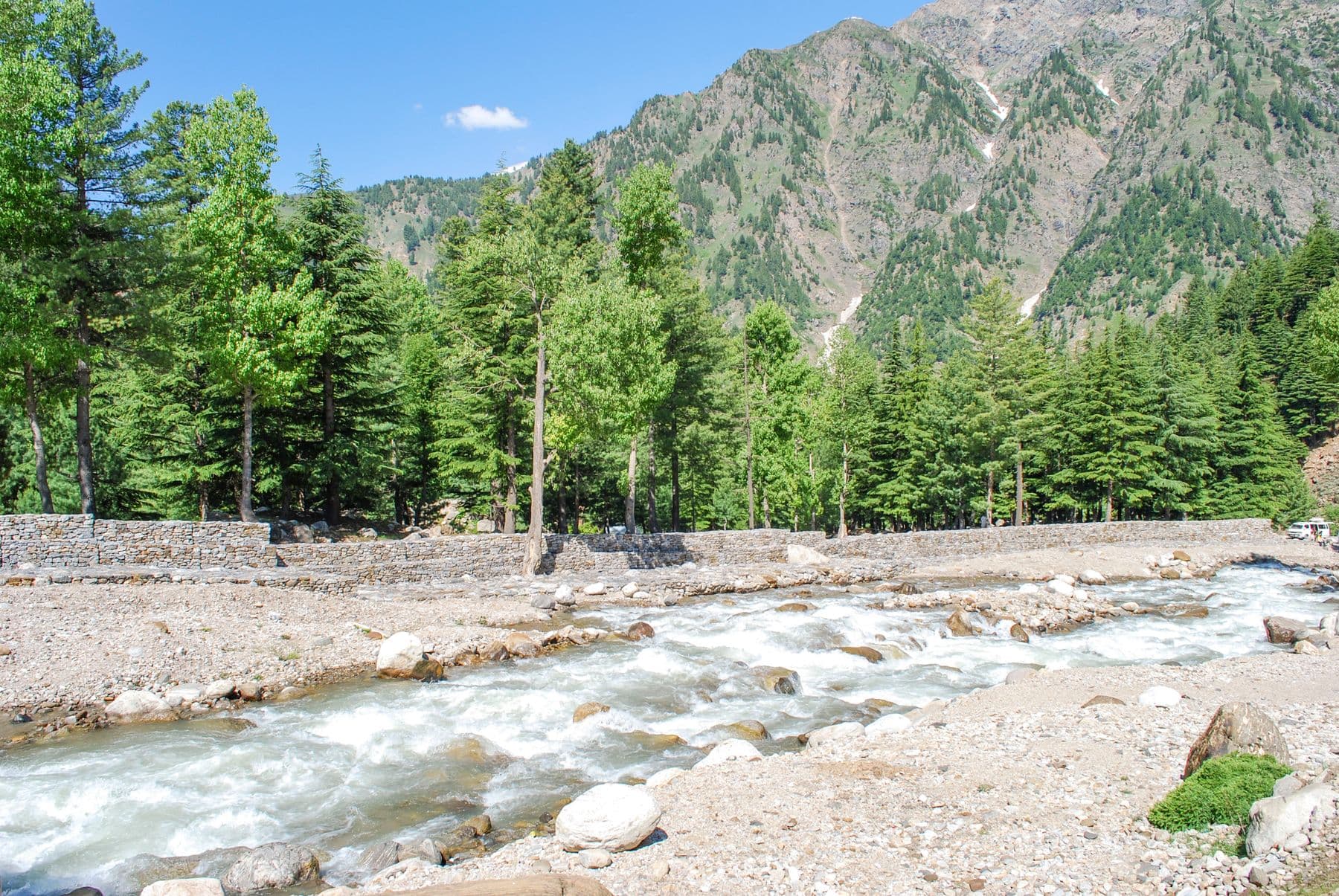
Naran and Kaghan
River valleys, alpine lakes and a celebrated seasonal road.
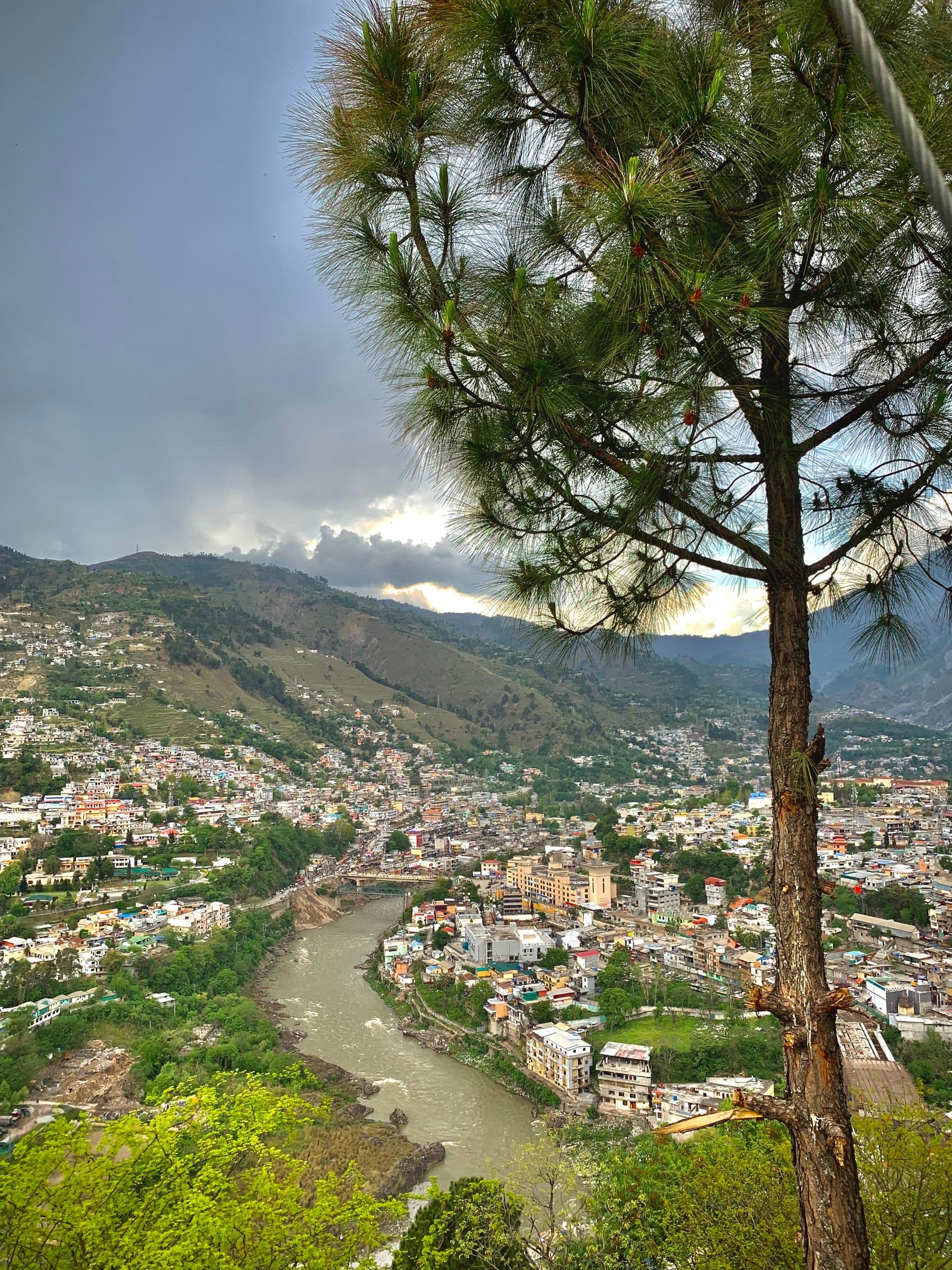
Neelum Valley
A long river valley of villages, forests and high mountain roads.
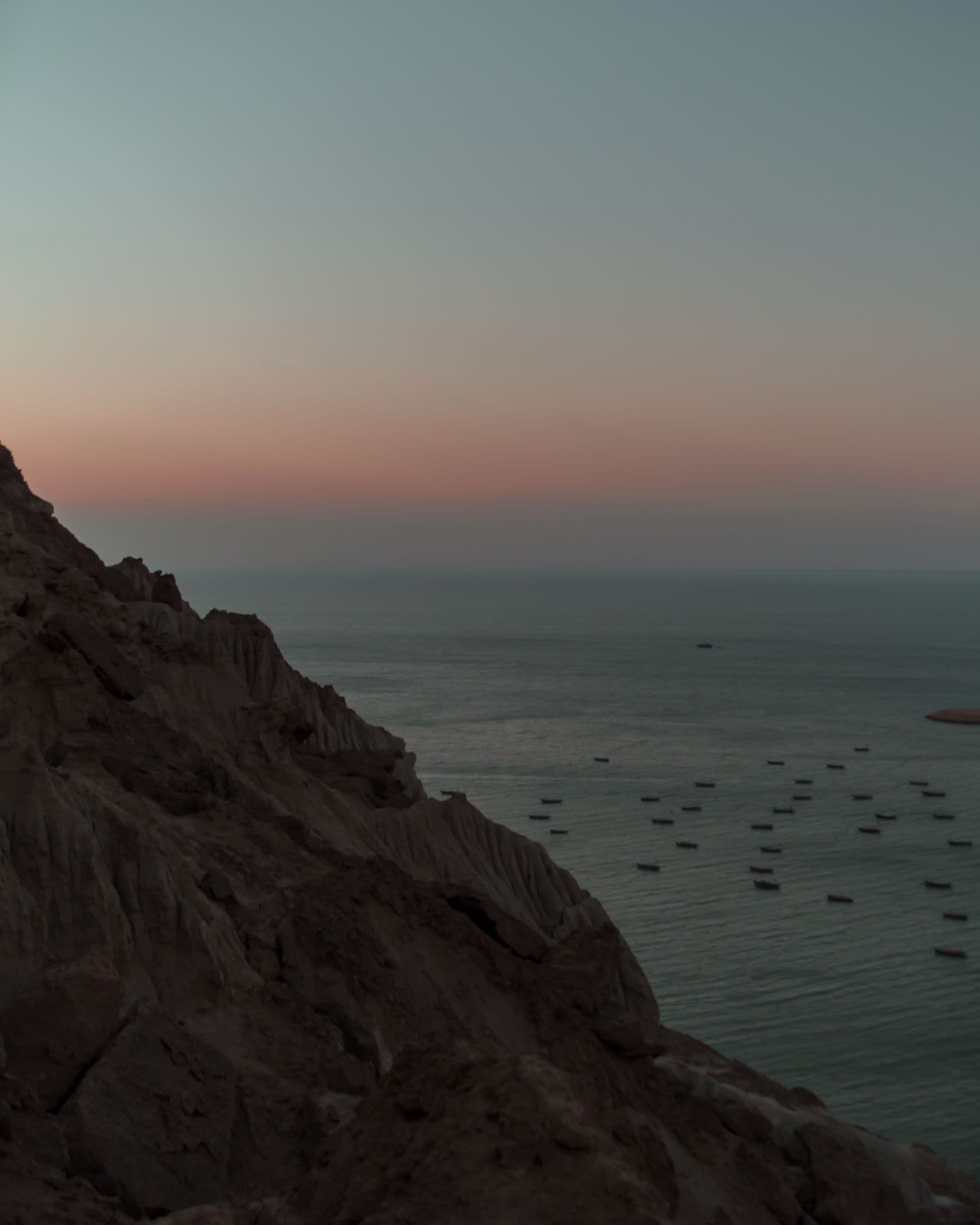
Gwadar and Hingol
A stark coast of headlands, desert formations and open sea.
Plan with a local perspective.
Read practical guides for the places on this route before choosing your stops.
Build your own itineraryTourism-company journeys