A route with more than one story
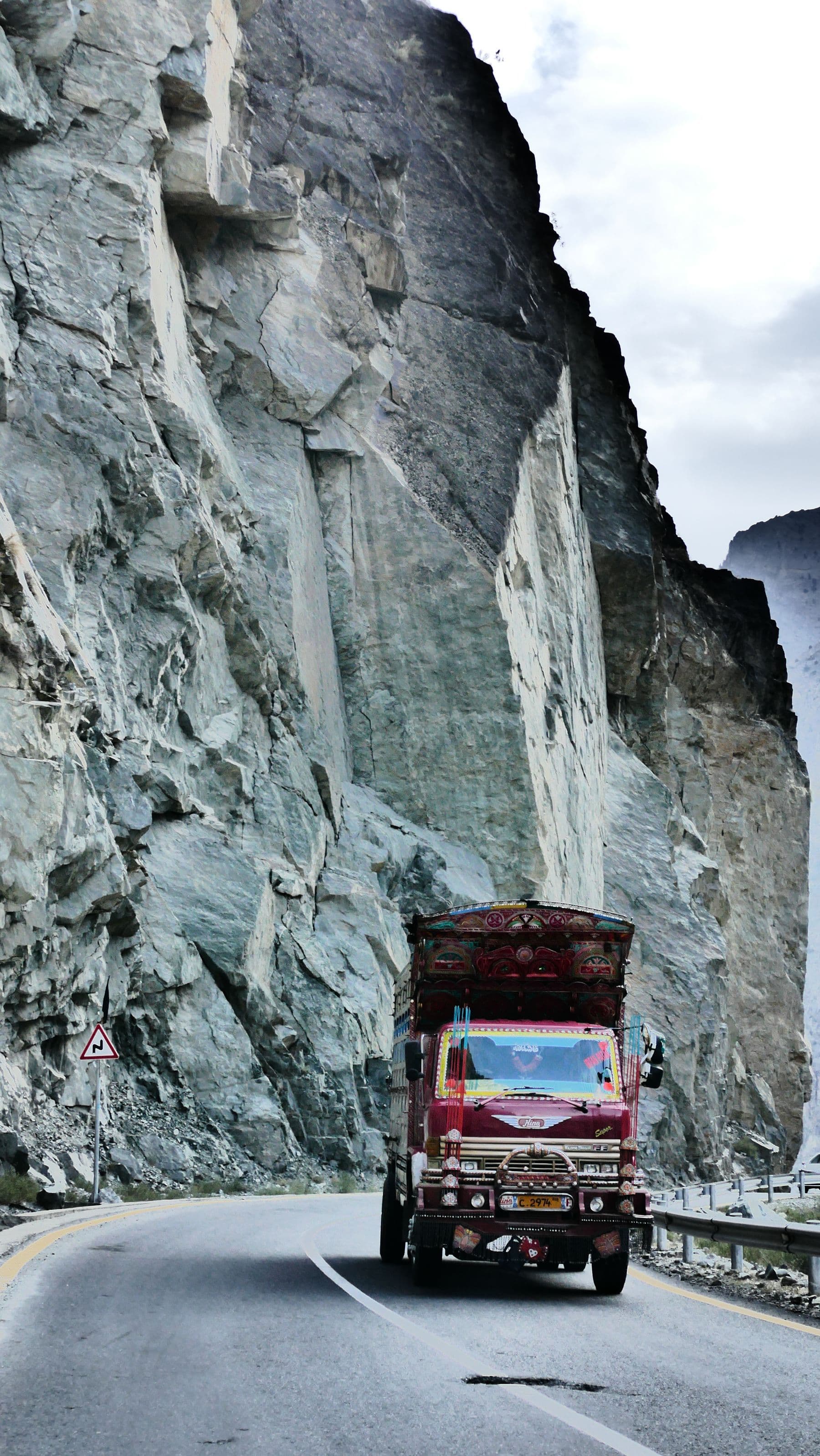
The Karakoram Highway follows a historic north to south corridor through Pakistan towards the Chinese border. Official tourism material describes the road as connecting Islamabad through Abbottabad, Besham, Chilas, Gilgit and Hunza towards Khunjerab.
Treat the road as part of the experience rather than a transfer between highlights. Landscape, settlement and altitude change continually, so a slower itinerary leaves room for stops and for the realities of mountain travel.
Place this route in its wider setting with our Gilgit-Baltistan regional guide.
Choose the approach, not just the destination
Routes into Gilgit-Baltistan can vary with season and conditions. The Babusar approach is highly seasonal; official regional material notes that the pass is generally closed for much of the year because of snow and steep gradients.
A package should therefore name its intended route, transport mode and alternative clearly. An alternate road is not a minor edit when it changes journey time, overnight stops or cost.
- Keep one flexible day on longer northern itineraries.
- Ask the tourism company when and from which source it confirmed access.
- Require route changes to remain visible before accepting them.
For other journeys with a similar focus, explore Open roads.
Guidance is not a live road report
Mountain roads can close or reopen after weather and infrastructure events. Gilgit-Baltistan’s tourism authorities publish time-sensitive advisories and have specifically advised travellers to check current traffic conditions before travel.
Wayzari’s editorial page can explain the route, but it cannot certify access. For a booked package, the tourism company remains responsible for confirming that the relevant roads are open and the trip can proceed.
Decide which highway journey you are actually taking
A road journey from Islamabad to Hunza and a leisurely stay along the Hunza section of the highway are different holidays. The first needs a substantial allowance for approach and return driving. The second can begin after a flight to Gilgit, when flights operate, and concentrate on villages, forts and Upper Hunza. Neither approach makes a weather buffer unnecessary. Choose the version that fits the time you can realistically spend away.
A useful road itinerary allows separate approach days, a central Hunza base for Altit and Baltit, an Upper Hunza base for Gulmit and Passu, and a considered return. Attabad fits naturally between the two bases. Do not spend every night in Karimabad simply because it is the best-known name, then repeatedly drive north to the same places. Equally, do not move hotels daily when two settled bases would give you more time outdoors.
For local sights, overnight bases and visitor advice, use our Hunza destination guide.
Make the booking describe the road, not just the landmarks
Ask for each overnight town, the proposed approach corridor, approximate driving windows and the fallback if a section becomes unavailable. A summer route over Babusar is not a year-round substitute for the established Indus approach. The itinerary should identify which route is intended and leave the final decision to current conditions, not an old photograph of an open pass. Ask how a delayed arrival changes the following day's sightseeing.
The vehicle matters as much as its label. Establish seating for your actual group, luggage space, functioning seat belts and who pays for a replacement after a breakdown. Agree whether fuel, tolls, driver accommodation and additional local vehicles are included. A cheaper headline price can cease to be cheaper when every detour becomes a separate charge. Keep the written itinerary and the operator's most recent route confirmation together.
Use stops to understand the valley
At Altit or Baltit, a guided visit explains more than a distant fort photograph. Around Gulmit, allow time for village lanes and locally run businesses. At Passu, choose a viewpoint or a guided walk that fits your ability rather than assuming a glacier approach and a suspension bridge are the same kind of outing. The highway connects these experiences; it does not replace them.
Treat Sost and any proposed Khunjerab excursion as a separate decision with additional elevation, distance and access considerations. Being near the frontier does not mean you can cross it or that every traveller has the required documents. If the upper excursion is unsuitable, another village day can be the better holiday. A successful highway journey is not measured by reaching the furthest possible signpost.
For a planned journey through this area, compare The grand road north. Read the full route and current departure details before booking.