
The Wayzari regional guide
Choose your valley before you choose your viewpoints
Research checked
Gilgit-Baltistan is often introduced through its mountains, but the most rewarding journeys happen at the scale of a valley. An irrigation channel running beside a village path, an orchard below a fort and a market supplying the surrounding settlements tell you how people live beneath those enormous horizons. The peaks provide the setting; time spent in the inhabited landscape gives the journey its character.
The first useful decision is not which famous photograph to recreate. It is whether to spend your days in Hunza and its neighbouring valleys, in Baltistan around Skardu, or on a more demanding walking itinerary. These are different holidays with different transfers. Start with one corridor, give it several nights and add another only when you have enough time to make the connection without surrendering the trip to the road.
- Main choices
- Hunza and the Gilgit corridor, or Skardu and Baltistan
- Allow
- Five to seven nights in one corridor, plus gateway travel
- Season matters
- Valley stays and high-country excursions have different windows
Two gateways, several very different landscapes
Gilgit is a useful point of orientation for the road towards Hunza and for journeys into other northern valleys. Skardu serves a different part of the region, with excursions towards Shigar, Khaplu and the high Deosai landscape. Do not read their proximity on a national map as evidence that they can be combined casually. Mountain roads, stopping time and the chosen overnight stages govern the actual journey.
Within each corridor, decide what kind of scenery you want to spend time in. Hunza pairs settled villages and heritage buildings with mountain views. Baltistan offers lake outings, broad valley landscapes and access towards expedition country. Ghizer and Astore widen the possibilities, but they deserve their own route planning rather than being added as unnamed detours to an already full programme.
Choose bases that let you do more than drive
In Hunza, Karimabad and Altit can support heritage visits and local walks. A second stay in Upper Hunza makes sense when that part of the valley is important to you. Around Skardu, choose outings deliberately instead of trying to fit every lake, desert and valley into one day. Staying in Shigar or Khaplu can change the experience from a distant excursion to a quieter encounter with the settlement.
Accommodation location matters as much as the balcony photograph. Establish where dinner is available, whether the room is reached by steps and how local outings are arranged. A secluded property may require a vehicle for every meal. For longer stays, a comfortable base within walking distance of ordinary services can be more useful than a remote room with a spectacular view and uncertain practical arrangements.
Match the season to the height of your plans
Spring and autumn bring interest to lower-valley stays through blossoms or changing foliage, while summer offers more possibilities for higher excursions. Those patterns are planning context, not an access guarantee. Deosai and mountain approaches have narrower practical windows than a town stay. Ask about your actual route and dates, including the journey into the region, before building the holiday around one high-country outing.
Winter requires a different programme, not a summer circuit with an extra coat. Confirm heating, water, meals and the approach to the property. Rain, snow and road damage can affect travel outside winter too. Leave room for a change of plan and protect the final connection home. A clear forecast for a valley does not confirm that every road, pass or flight on the itinerary can operate.
Separate the gateway journey from local excursions
A flight and a road journey create different schedules and contingencies. Confirm operating arrangements with the airline or operator rather than relying on an old timetable, and allow a margin before an essential onward connection. If travelling by road, discuss overnight stops, daylight driving and the approach that will be used for the season. A road holiday should include worthwhile pauses, not simply a long transfer described as sightseeing.
Local jeep outings, walking approaches and the main touring vehicle are separate decisions. Fairy Meadows involves an approach and a walk, not a roadside photo stop. Ask which vehicle is included, who drives, whether luggage stays securely behind and what happens if the outing is unsuitable. For treks, agree on guiding, equipment, permissions and emergency arrangements independently of an ordinary valley tour.
Let village life have space in the itinerary
The region is not culturally uniform. Ask a local guide about the language, building traditions and food of the particular valley rather than expecting one account to explain every settlement. Heritage visits at Baltit, Altit, Shigar or Khaplu become more interesting when connected to the paths and communities around them. Treat a private courtyard or cultivated terrace as someone's working space, even when it appears in travel photographs.
Ask what the kitchen prepares locally and order with enough notice. Small guesthouses may not be able to reproduce a city restaurant menu or accommodate late changes to dietary requests. Pay for guiding, craft encounters and arranged meals fairly. Seek permission before photographing people, keep noise modest in villages and leave water channels, orchards and fields exactly as you found them.
Buy a clear itinerary, not an impressive list
Compare quotations by what they include: gateway transport, room arrangements, meals, local vehicles, entry charges and guide time. Ask whether driver accommodation and fuel are covered. An inexpensive room can produce an expensive holiday if every outing requires a long private transfer. Keep a cash reserve for places where card payment is unavailable, and establish how changes caused by access conditions will be handled before paying.
Altitude, remote communications and demanding walking need consideration beyond the scenery. Seek qualified advice for personal health concerns and choose excursions that suit the whole group. Carry suitable clothing and arrange reliable drinking water. Follow local and official restrictions, use established paths and take waste back to proper disposal. The best plan leaves enough time to enjoy the region without treating its communities or terrain as obstacles to a schedule.
A starting point, not a fixed programme
Ways to shape the journey
Hunza with room to settle in
Six or seven nights, plus gateway travel
Use a base near Karimabad for heritage and village walks, then move towards Upper Hunza. Reserve a flexible day rather than promising every distant viewpoint.
Baltistan through two bases
Six to eight nights, plus gateway travel
Pair Skardu with Shigar or Khaplu, choosing a few lake and valley outings. Treat Deosai as a separate, conditional excursion and retain a return-travel buffer.
Before you decide
Can I see Hunza and Skardu on a short break?
You can build a connecting itinerary, but a short trip usually benefits from choosing one corridor. Count gateway travel and the transfer between areas before deciding how many actual sightseeing days remain.
Are all scenic outings suitable for families?
No. Ask about road surfaces, walking effort, altitude, bathroom access and the return journey. A comfortable valley stay and a remote high-country outing should not be sold as the same experience.
Places in the region
Different places, one clear way in.
Use these guides to compare pace, season and character before adding anything to a route.
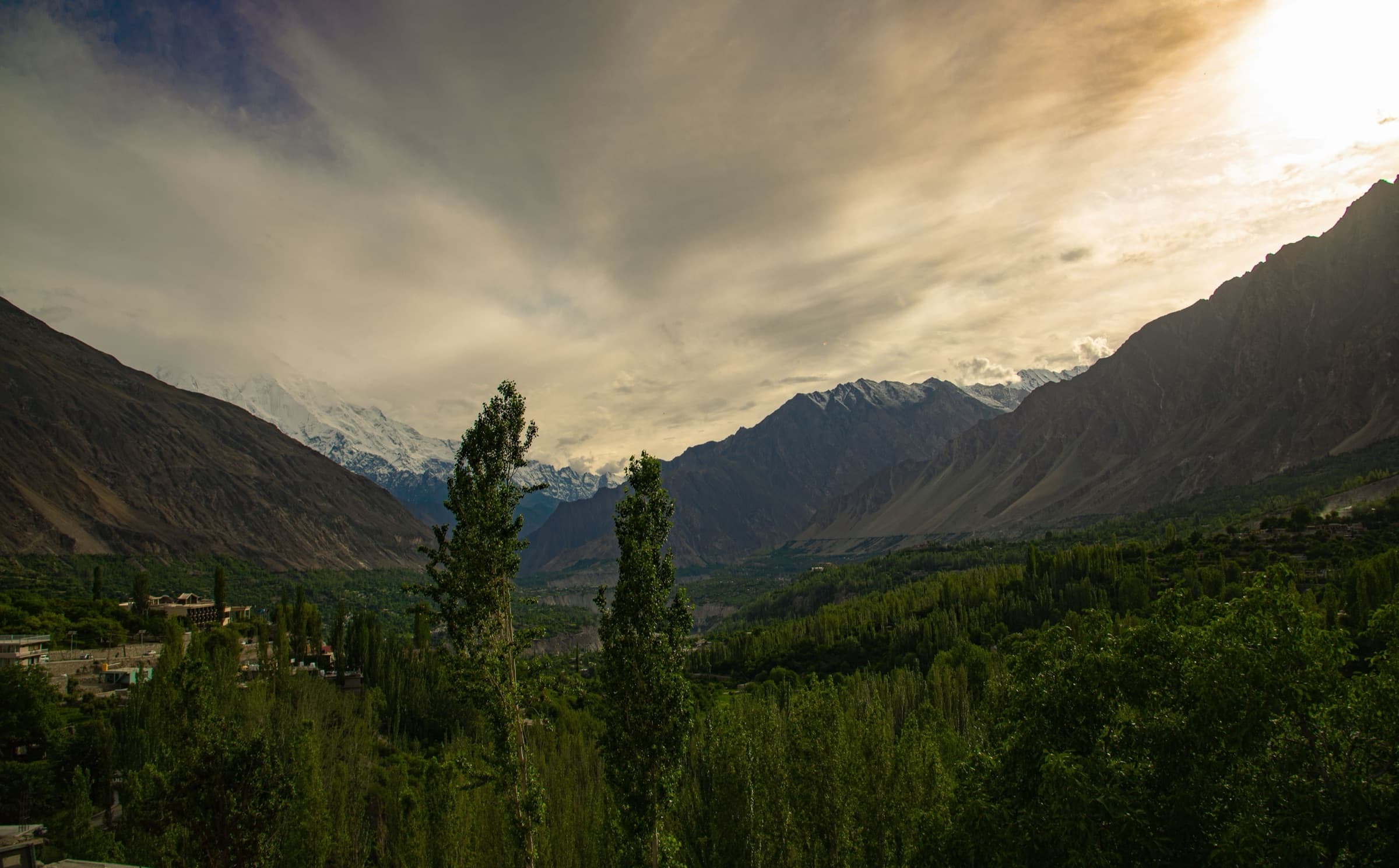
Hunza
A high valley of stone villages, orchards and immense horizons.
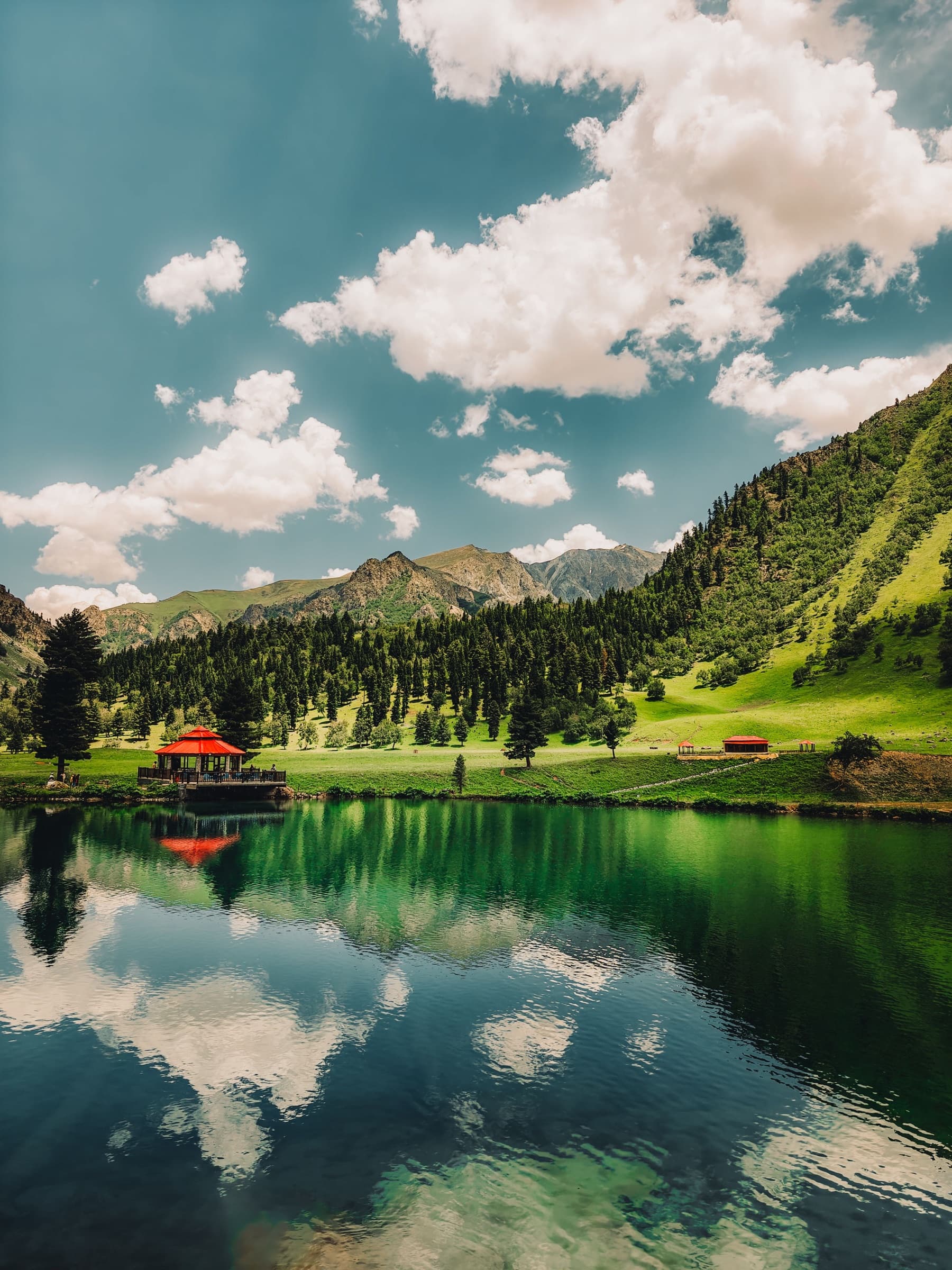
Skardu
Lakes, a high desert and the gateway to Pakistan’s great peaks.
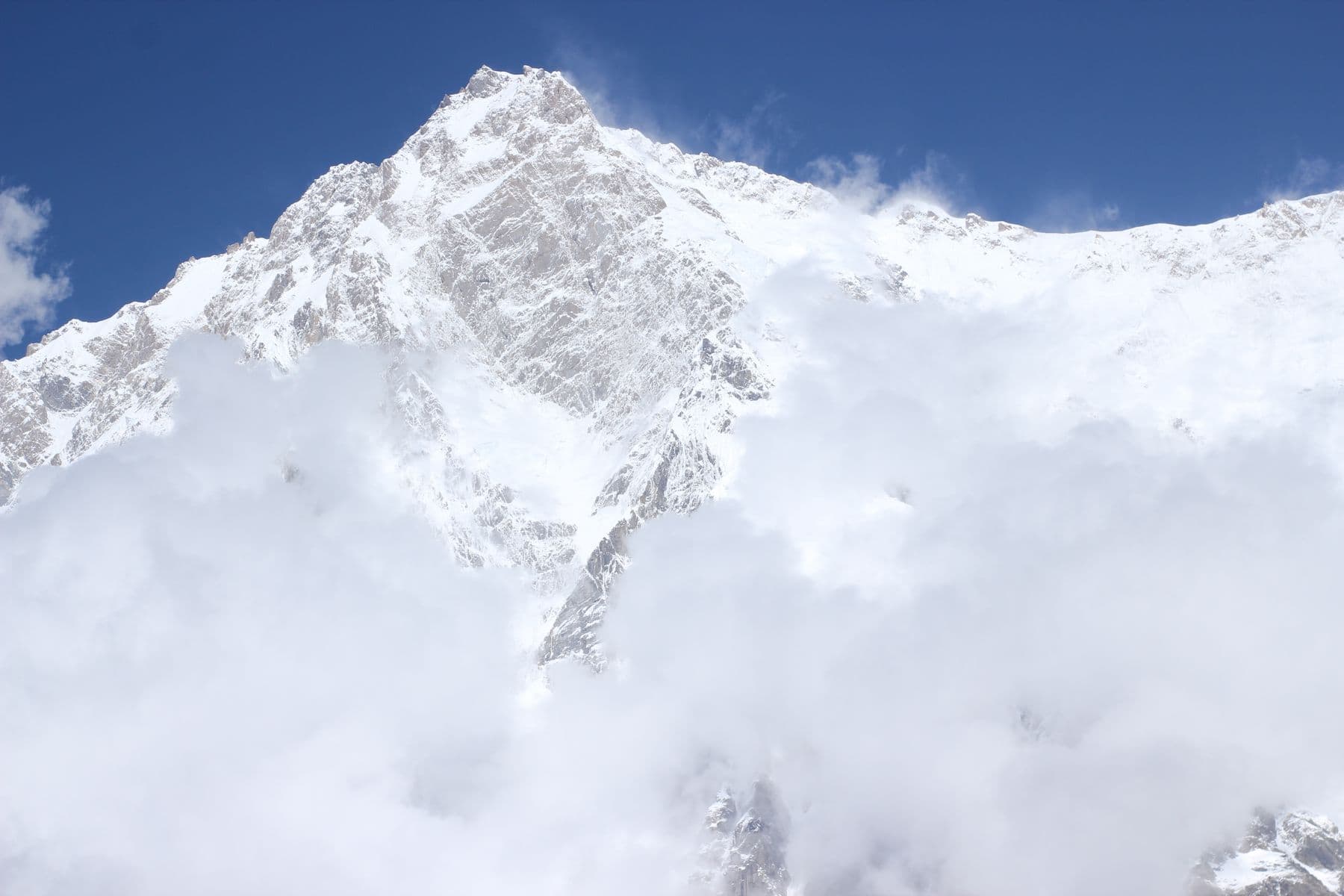
Fairy Meadows
A meadow camp facing the immense north wall of Nanga Parbat.
Plan with a local perspective.
Read practical guides for the places on this route before choosing your stops.
Build your own itineraryTourism-company journeys