
The Wayzari travel guide
A village is a place to stay, not a scene to collect
Research checked
The details that make a mountain village interesting are often practical: a path following the edge of a field, water directed towards an orchard, roofs and walls adapted to the place. These things belong to daily work. Visiting well means understanding how to move through them without making someone else's routine inconvenient. A cultivated terrace is not an empty viewing platform, and a picturesque doorway is still a private entrance.
Stay long enough for a village visit to be more than a brief interruption. Hunza, the Kalash valleys and Neelum offer different settings, languages and cultural experiences. Choose a local host or guide who can introduce the place on its own terms. You do not need a ceremony or a staged performance to have a worthwhile encounter; a walk, a meal and an explanation of how the settlement works can be enough.
- Choose a setting
- Hunza's settlements, a Kalash valley or a Neelum base
- A useful pace
- Two or three nights in one base, with unhurried local walks
- Ask your host
- Where to walk, photograph, refill water and spend locally
Hunza: look beyond the viewpoint
Karimabad and Altit can connect a first-time visitor with heritage buildings and the settlement around them. Upper Hunza offers another base rather than merely a distant excursion. Decide which part of the valley you want to understand and stay nearby. A guide can explain how paths, fields and water arrangements fit together, while making clear where public walking ends and private land begins.
Combine a heritage visit with a slower neighbourhood walk instead of organising every day around a high viewpoint. Ask about craft, local food and changes in the settlement. Do not expect one household to represent an entire valley's culture. If a guesthouse offers a meal or workshop encounter, agree what is included and pay for people's time rather than treating hospitality as an unlimited free service.
Kalash: cultural knowledge is not a visitor performance
Bumburet, Rumbur and Birir are distinct inhabited valleys, not three interchangeable photo stops. Choose a community-aware guide and ask which walks and encounters are welcome. UNESCO's recognition of Suri Jagek concerns Kalasha knowledge and practice; it should not be used as a blanket claim that every village is an inscribed World Heritage Site. Cultural meaning is more important than an impressive label.
Festival travel requires particular care. Confirm dates and visitor arrangements with local hosts, book accommodation responsibly and respect spaces or rituals that are not open to you. Do not push close to performers or worshippers for a photograph. Outside festival periods, agriculture, architecture and conversation can offer a quieter understanding of the valleys without demanding that residents create an event for your visit.
Neelum: place your nights along the journey
The appeal of a Neelum stay lies partly in its position along a river and mountain corridor. Choose an overnight stage that supports the walks you want, rather than repeatedly travelling back from the upper valley. A riverside photograph does not tell you whether the property has a safe approach, adequate rooms or convenient access to meals. Ask those questions before paying.
Access arrangements and identification requirements should be checked for your nationality and exact route. Some outings involve local transport or more walking than the place name suggests. Ask your host where visitors can go without disturbing fields or entering restricted areas. Keep riverbanks and steep edges out of casual play or photography plans, especially when children are travelling.
Choose a guesthouse with clear expectations
Village stays vary greatly. Confirm the bathroom arrangement, hot water, heating, bedding, steps and whether meals are prepared at the property. Ask what electricity or connectivity is available rather than assuming a remote stay will support remote work. If the group arrives late, agree on dinner in advance. Send dietary requests early and accept that some ingredients may not be obtainable locally.
A homestay is not necessarily a commercial hotel inside a family house. Clarify privacy, shared spaces, household routines and the room you are booking. Pay the agreed amount, conserve water and electricity, and do not require hosts to rearrange their lives for photographs or demonstrations. Local hospitality is best appreciated through courtesy, not through a list of services the visitor expects for free.
Keep walks local and seasonal
A short distance on a village map can involve steep steps, rough surfaces or an exposed slope. Ask about the actual route and choose a turnaround point. Comfortable footwear and a modest day bag are often more useful than a full adventure outfit for a settlement walk. Longer paths towards pastures or glaciers are a different commitment and need their own guide and preparation.
Spring, summer and autumn offer different village experiences, but the approach road and guesthouse services matter as much as the view. Winter stays need confirmed heating and access. Farming and festivals have their own schedules, so ask what is appropriate during your dates. Do not enter an orchard to pick fruit or cross a field because someone else's travel photograph did so.
Keep the benefit close to the visit
Budget for locally arranged guiding, meals and activities rather than assuming the accommodation price covers every encounter. Ask who receives the payment when an outside operator arranges a village visit. Buying directly from a maker, eating with a local business and paying an agreed guiding fee can support the place without turning every conversation into a transaction.
Carry waste away, refill drinking water only where its quality is suitable and avoid loud music in shared spaces. Seek permission before photographing people, including children, and do not publish someone's image after agreeing not to. A successful village stay leaves residents with no extra mess or pressure to clear up after the visitor has continued to the next valley.
A starting point, not a fixed programme
Ways to shape the journey
Hunza at village pace
Four or five nights, plus gateway travel
Choose a base near Karimabad or Altit, arrange heritage and settlement walks, then consider another stay in Upper Hunza. Leave a day without a long excursion.
A Chitral and Kalash stay
Four to six nights, plus gateway travel
Use Chitral as a gateway and choose one valley for a deeper stay. Discuss a second valley only if transport, host availability and community access make it worthwhile.
Before you decide
Do I need to visit during a festival?
No. A non-festival stay can be quieter and more conducive to local walks and conversation. If you do attend a festival, use local guidance and respect the community's rules. A ceremony is not arranged for a visitor's convenience.
Is every village suitable for independent wandering?
No. Paths can cross private fields, religious spaces or restricted areas. Ask a host or local guide where public access is appropriate. Being able to see a place from the road does not mean visitors can enter it.
Places with this feeling
Different places, one clear way in.
Use these guides to compare pace, season and character before adding anything to a route.
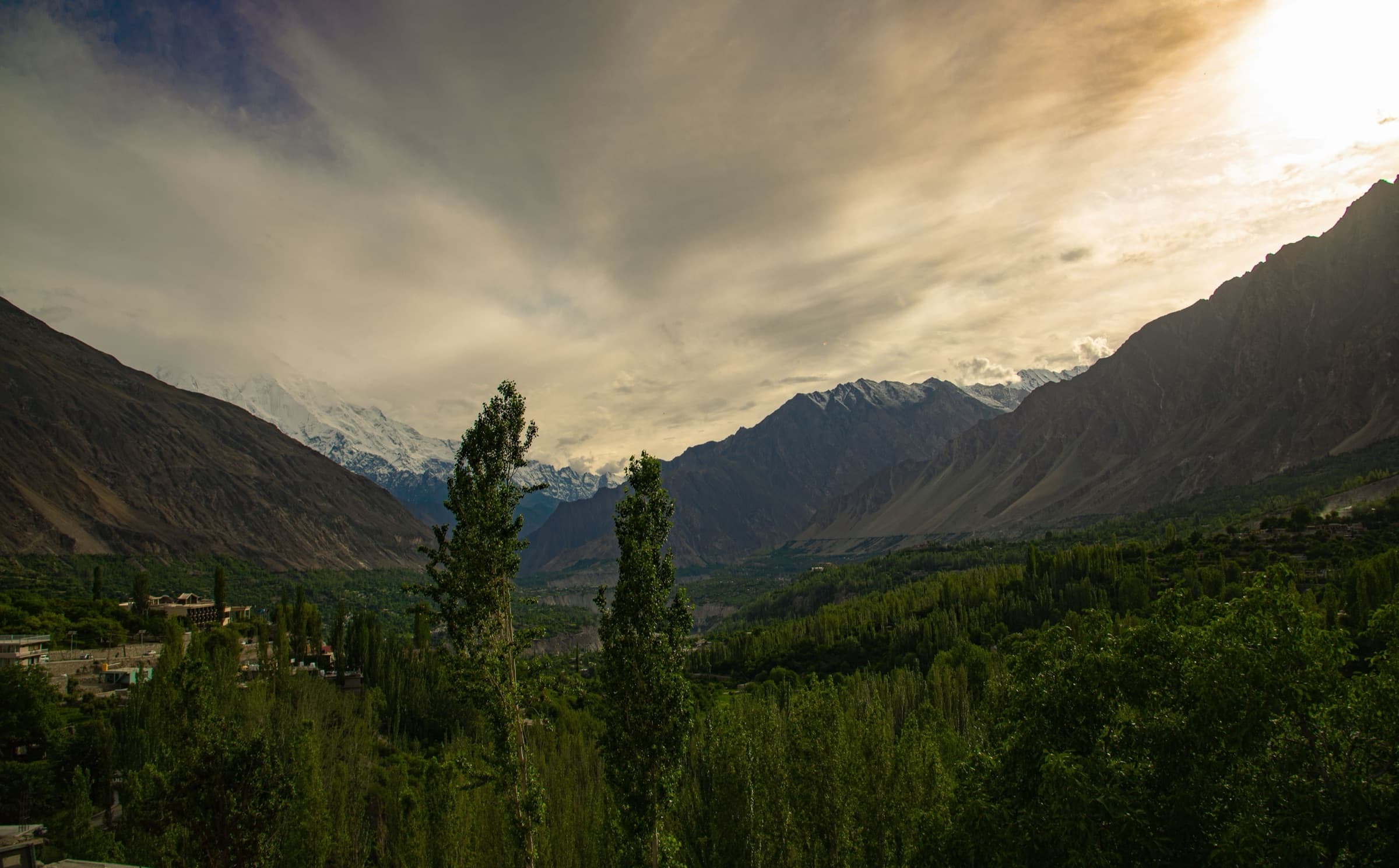
Hunza
A high valley of stone villages, orchards and immense horizons.
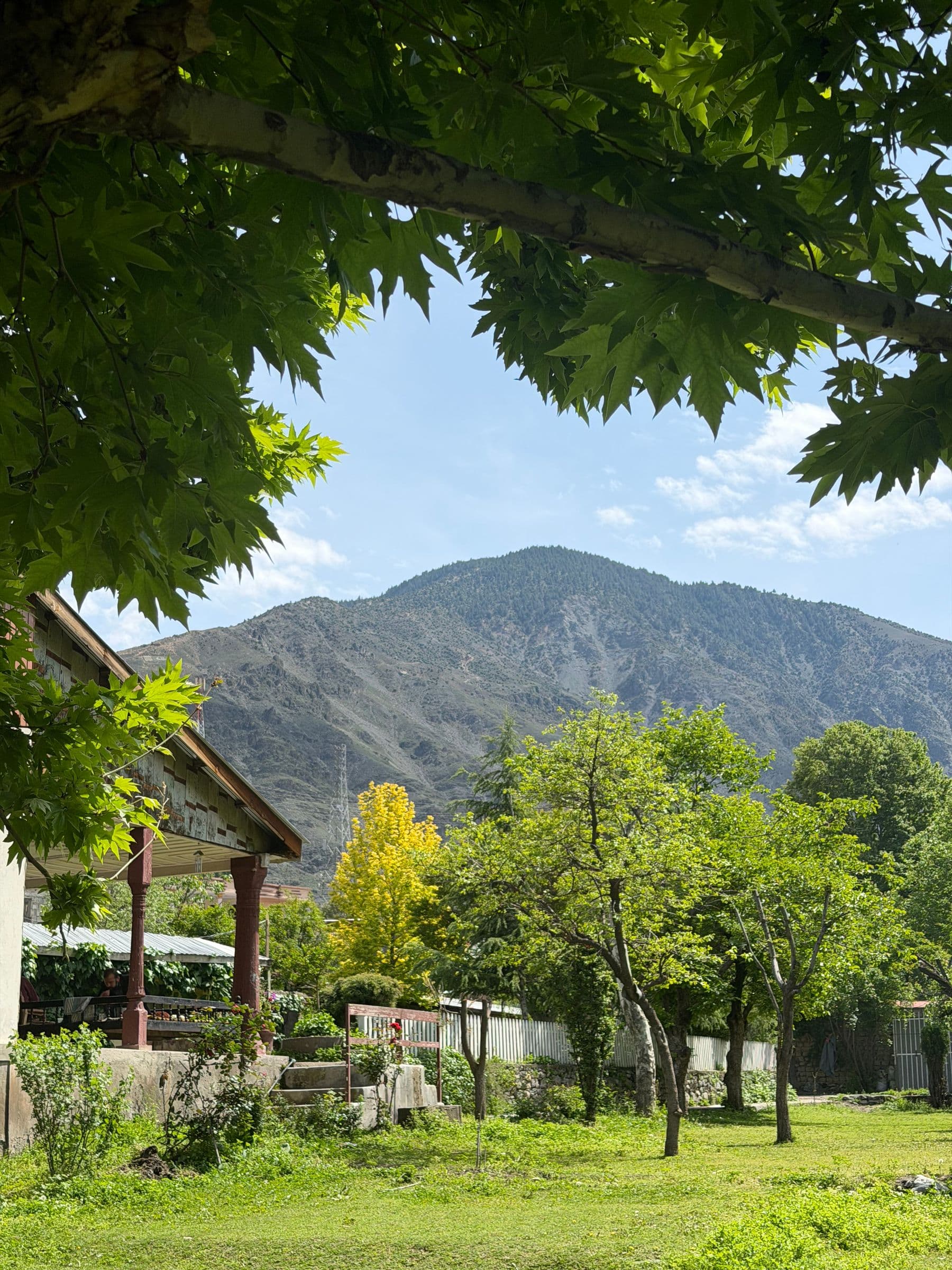
Kalash Valleys
Three close valleys with a culture and calendar entirely their own.
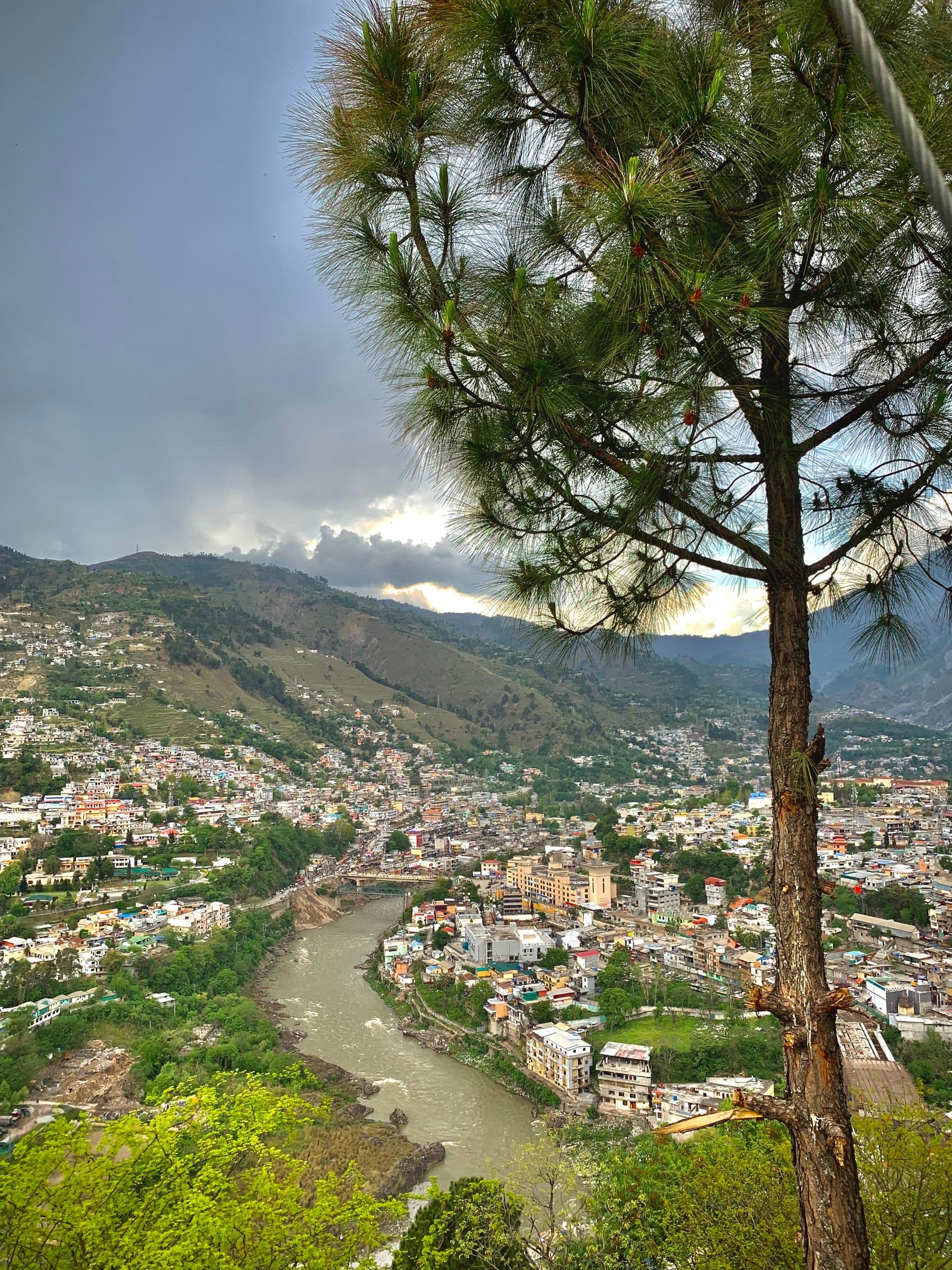
Neelum Valley
A long river valley of villages, forests and high mountain roads.
Plan with a local perspective.
Read practical guides for the places on this route before choosing your stops.
Build your own itineraryTourism-company journeys