
The Wayzari travel guide
History you can read in a street, a courtyard and a craft
Research checked
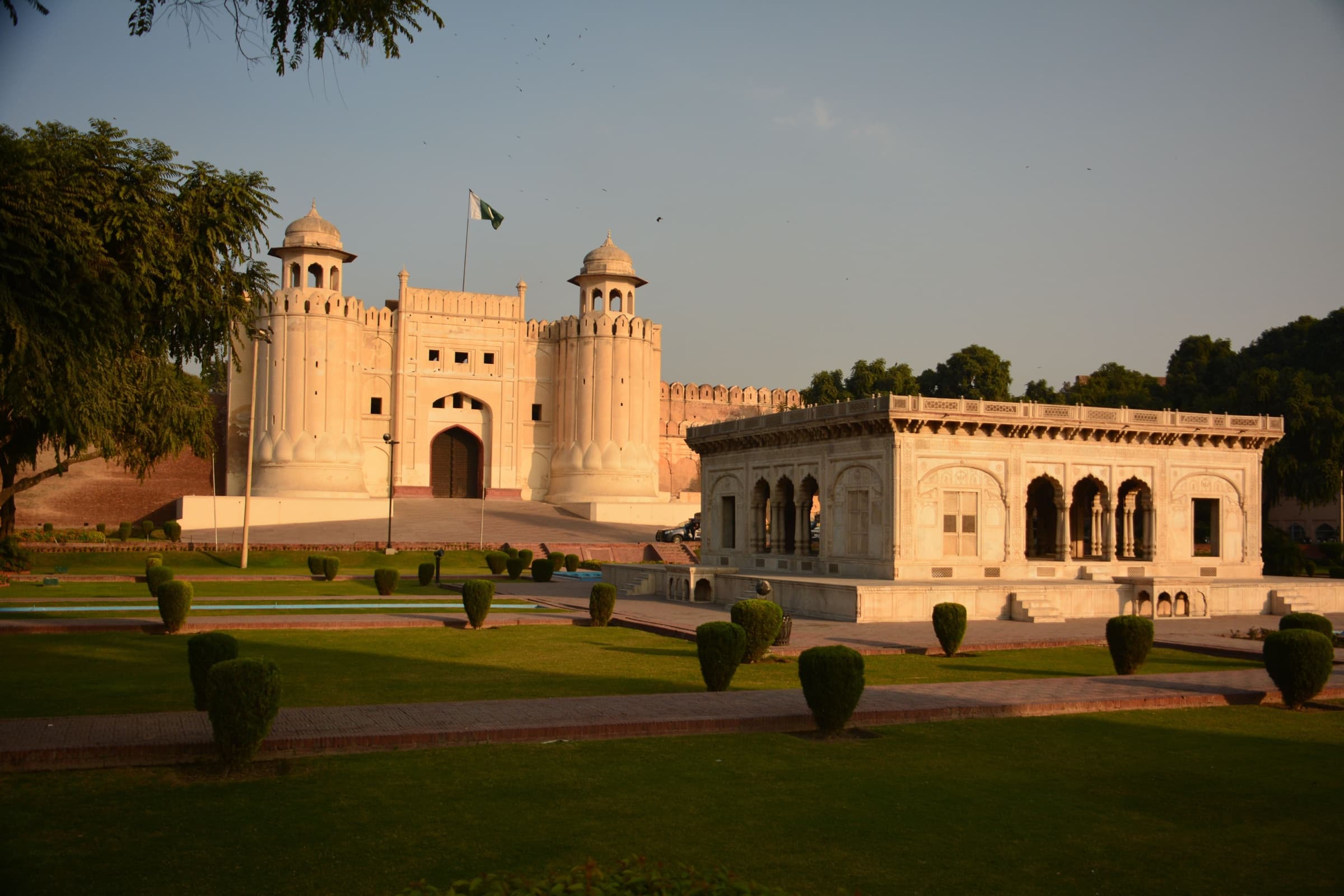
A fort explains who could command a valley. A water channel explains how people continued to live there. A tiled courtyard may still be a place of prayer, while the lane outside carries deliveries, schoolchildren and the day's shopping. Pakistan's heritage is most interesting when these things are seen together, rather than dividing a journey into monuments on one side and ordinary life on the other.
Living history is a way of travelling, not a claim that every old building is unchanged. Conservation, new uses and the needs of residents are part of the story. Choose a small number of places where a guide can explain both the surviving fabric and the community around it. Leave room for museums, workshops and meals instead of treating them as gaps between more important stops.
- Start with
- Lahore's old city or the settlements and forts of Hunza
- Allow
- Two or three days for one city; several nights for a valley
- Look for
- Interpretation, community access and working craft, not just façades
Lahore: connect the monument to its neighbourhood
The Walled City is best approached as a walk with a clear thread. Delhi Gate, Shahi Hammam and Wazir Khan Mosque can introduce the relationship between movement, public life and architecture. Choose a guide who explains why the bathhouse and mosque belonged in this part of the city. Ask what has been restored and what remains visible from earlier construction rather than expecting every surface to be original.
Give Lahore Fort a separate, unhurried visit. Shalamar Gardens shares its UNESCO World Heritage inscription but occupies another site, so include the transfer in your day. Badshahi Mosque belongs in the wider historical picture without being described as part of that same inscription. A meal or market walk can follow, but should not compress the monument visit into a hurried stop for photographs.
Hunza and Baltistan: buildings within a lived landscape
Baltit and Altit in Hunza, and Shigar and Khaplu in Baltistan, are useful places to consider how conservation works beyond an individual building. The Aga Khan cultural conservation programme has connected restoration with settlement improvements and local skills. Look beyond the headline fort to the paths, building materials and water arrangements around it, with a local guide who can explain the changes.
Do not treat these places as one short heritage loop. Hunza and Baltistan need different bases and a substantial transfer between them. A few nights in one area give you time to visit a fort, walk a village and talk to a maker without repeatedly returning to the main road. Access to homes and private courtyards must be agreed, even when a settlement receives many visitors.
Keep different histories distinct
Multan's active shrines and Swat's archaeological sites require different kinds of attention. One involves contemporary worship and community life; the other depends on interpreting surviving evidence. Avoid a guide who turns every uncertain detail into a confident legend. It is entirely reasonable to ask which parts of an explanation are documented and which belong to local tradition.
For archaeology, begin with a museum where possible. Objects and a timeline help you understand low walls and fragmentary structures later. At a shrine, ask when a sightseeing visit would be least intrusive and which areas are open. A cultural journey becomes richer through these distinctions, not through making all places sound like versions of the same ancient mystery.
Make room for people who still make things
A workshop visit should offer more than a shop labelled handicrafts. Ask who makes the work, which materials are used and whether you can see a process without disrupting paid orders. Woodwork, textiles and ceramics can make architectural details more legible. Pay fairly for a demonstration or guide's time, and confirm whether there is any expectation to buy before accepting a visit.
Meals belong in the same conversation. Ask about the food a family or neighbourhood actually eats, not only dishes advertised to visitors. A simple meal in the right place can give you more context than another distant monument. Communicate dietary needs in advance and let a host decline requests that are difficult to meet rather than assuming every kitchen can provide everything.
A manageable cultural itinerary
In lower cities, cooler periods are generally easier for long outdoor visits; summer calls for shorter walks and indoor pauses. Mountain heritage has a different seasonal rhythm and depends on the approach route. Verify opening arrangements, worship restrictions and guide availability close to the visit. Do not copy an old timetable into a fixed itinerary and expect every site to follow it.
Choose accommodation for access to the places you want to understand. In a city, a comfortable base with reliable transport may be preferable to sleeping inside the busiest old quarter. In a village, ask about hot water, steps and meal arrangements. Budget separately for interpretation and entry fees. Protect the buildings by following barriers, avoiding flash where prohibited and never touching delicate decoration for a photograph.
A starting point, not a fixed programme
Ways to shape the journey
Lahore, one layer at a time
Three days
Use one morning for the Delhi Gate area, another for Lahore Fort and a separate outing for Shalamar Gardens. Add a museum or workshop, and keep evenings for meals rather than further long transfers.
Village and fort in Hunza
Four or five nights, plus gateway travel
Stay within reach of Karimabad and Altit. Pair guided heritage visits with local walks and a craft encounter, leaving time to understand the settlement rather than only its viewpoints.
Before you decide
Is this the same as an archaeological holiday?
They overlap, but living history also considers active religious places, neighbourhoods, crafts and the modern care of old buildings. Choose Ancient cities if excavations and the development of early settlements are your main interest.
How do I choose a heritage guide?
Ask which sites they interpret, what the visit includes and whether fees are separate. A useful guide distinguishes evidence from tradition, understands visitor restrictions and adjusts the pace to your interests instead of delivering the same speech at every stop.
Places with this feeling
Different places, one clear way in.
Use these guides to compare pace, season and character before adding anything to a route.
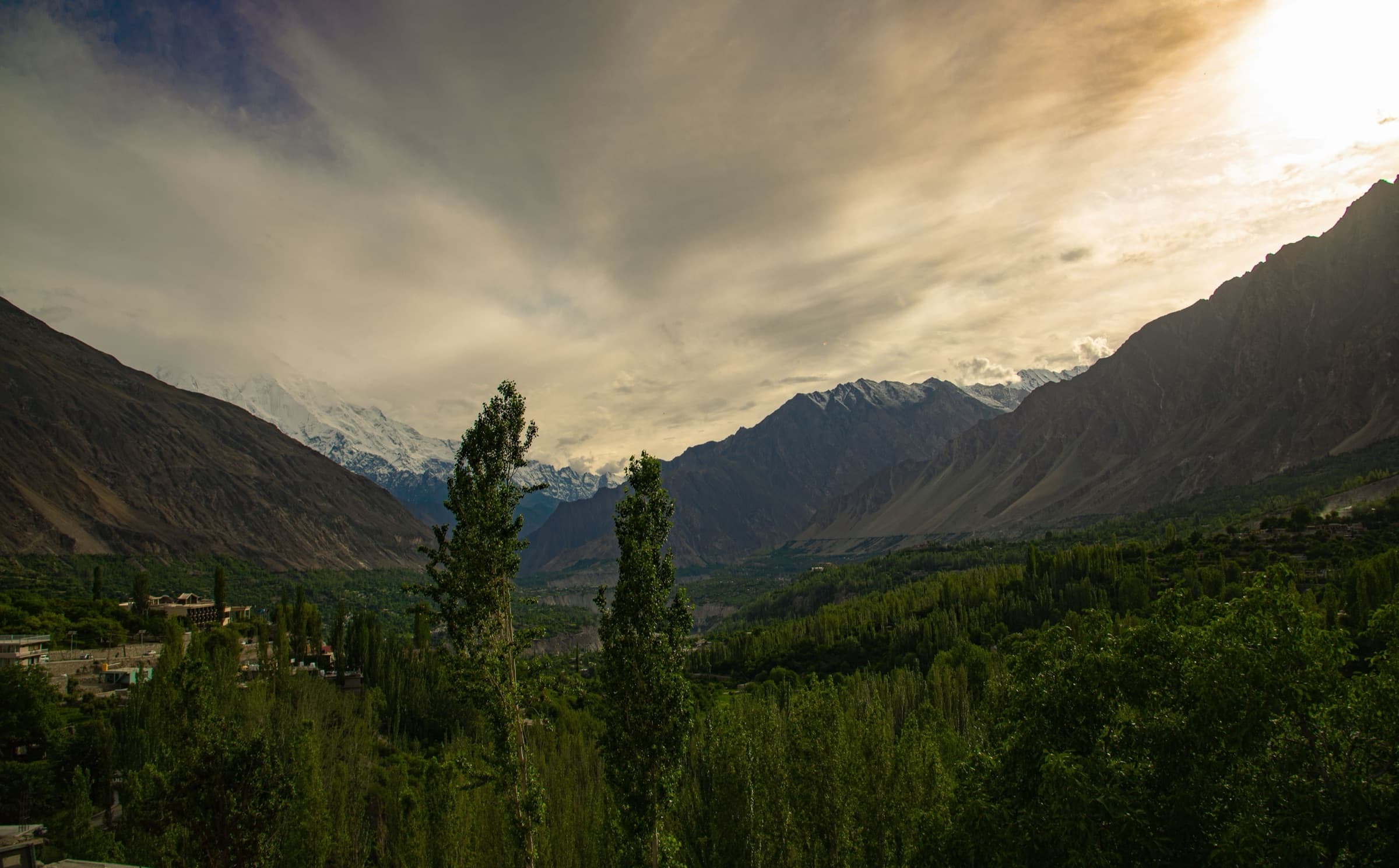
Hunza
A high valley of stone villages, orchards and immense horizons.
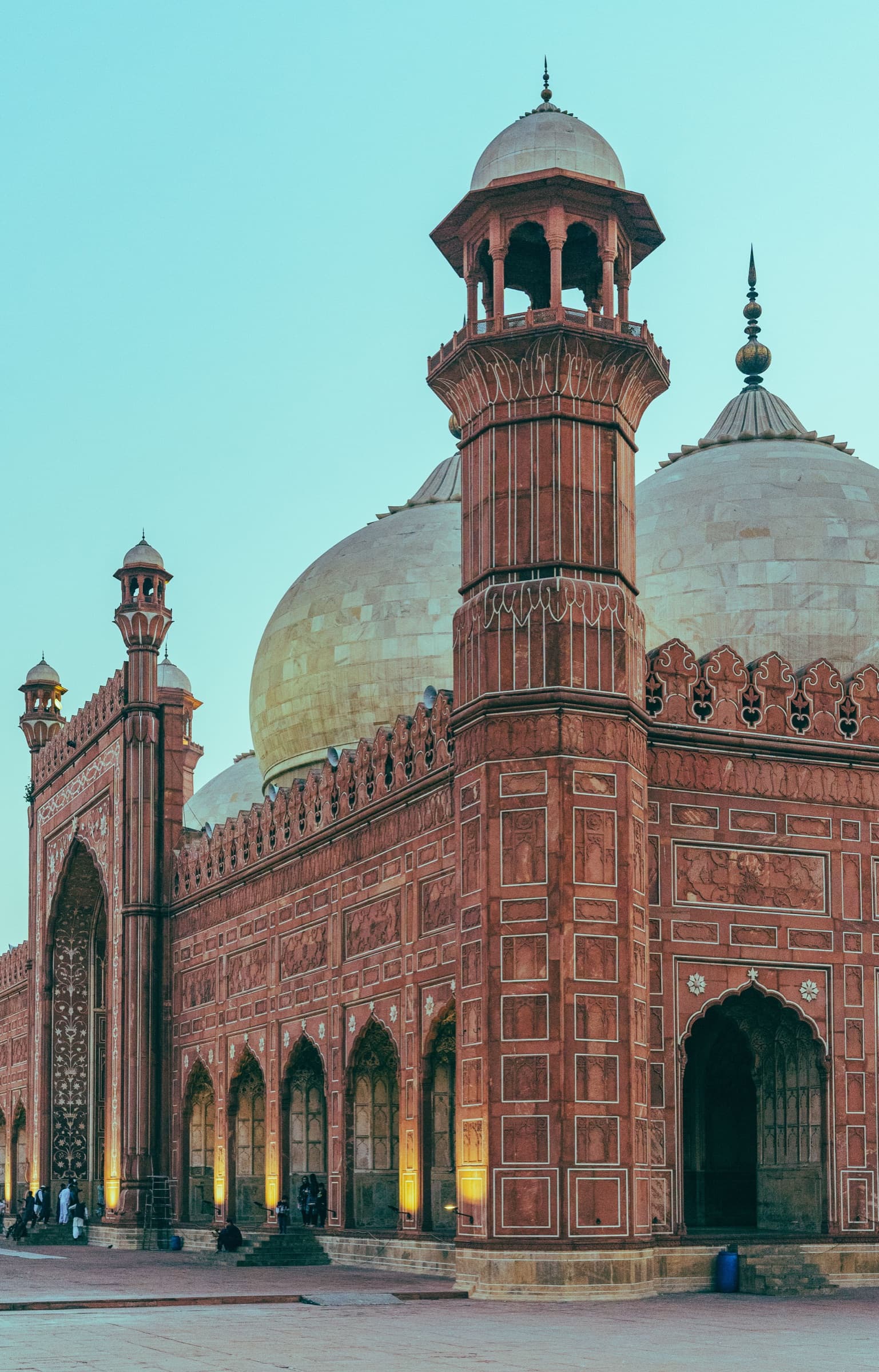
Lahore
Monumental Mughal architecture with a city moving around it.
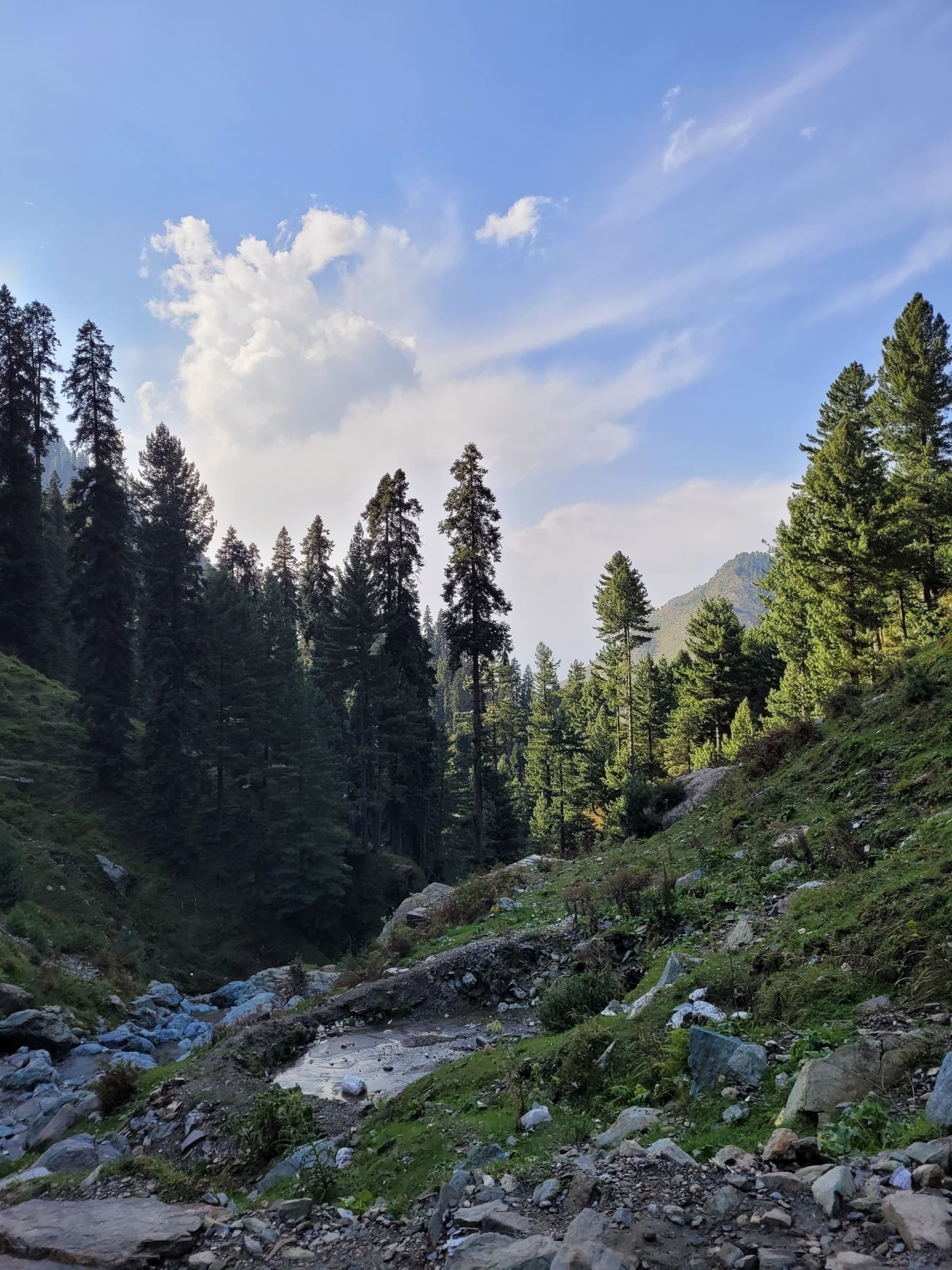
Swat
Forested valleys, mountain resorts and deep Gandharan history.
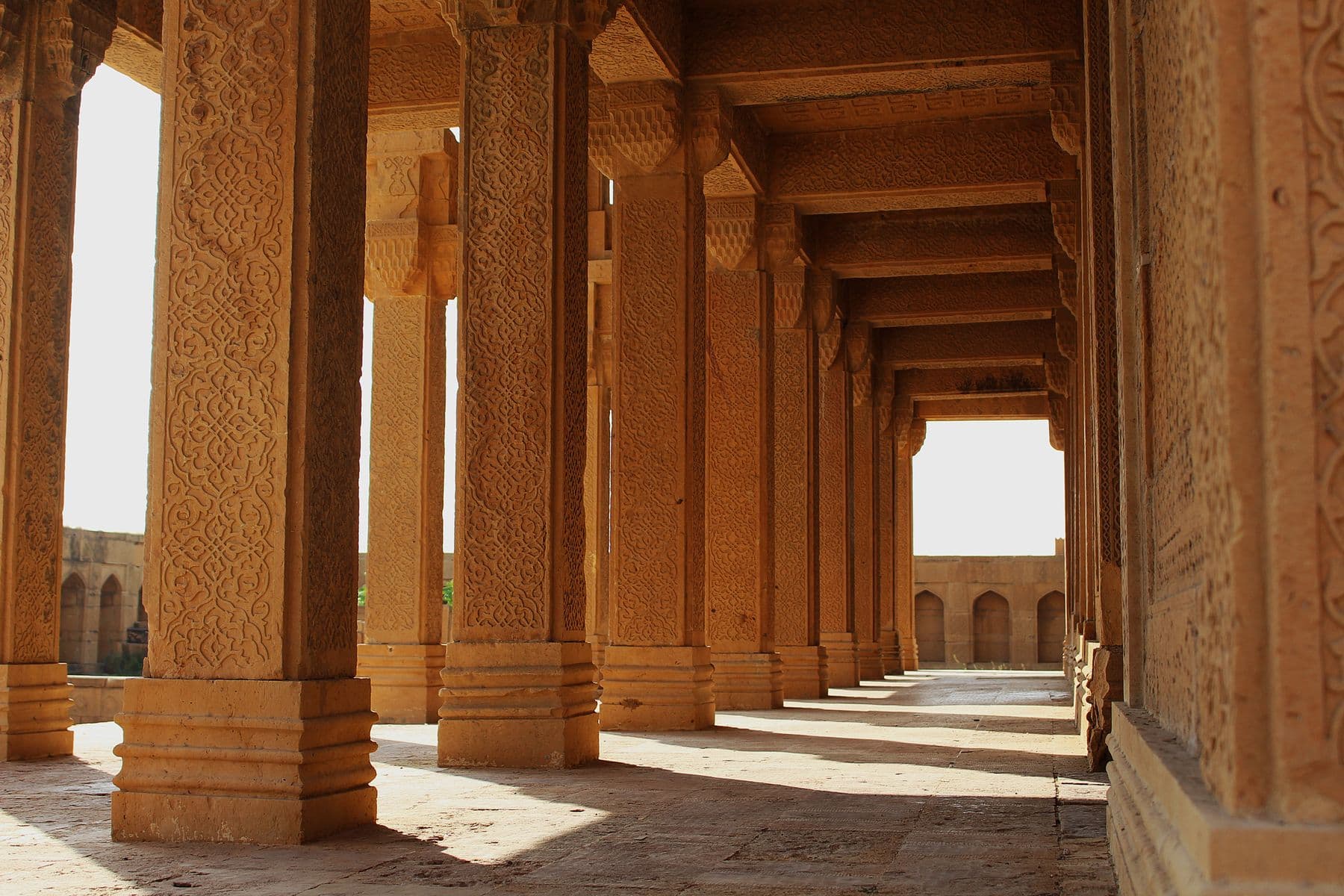
Thatta and Makli
Tile, stone and centuries of history near the Indus Delta.
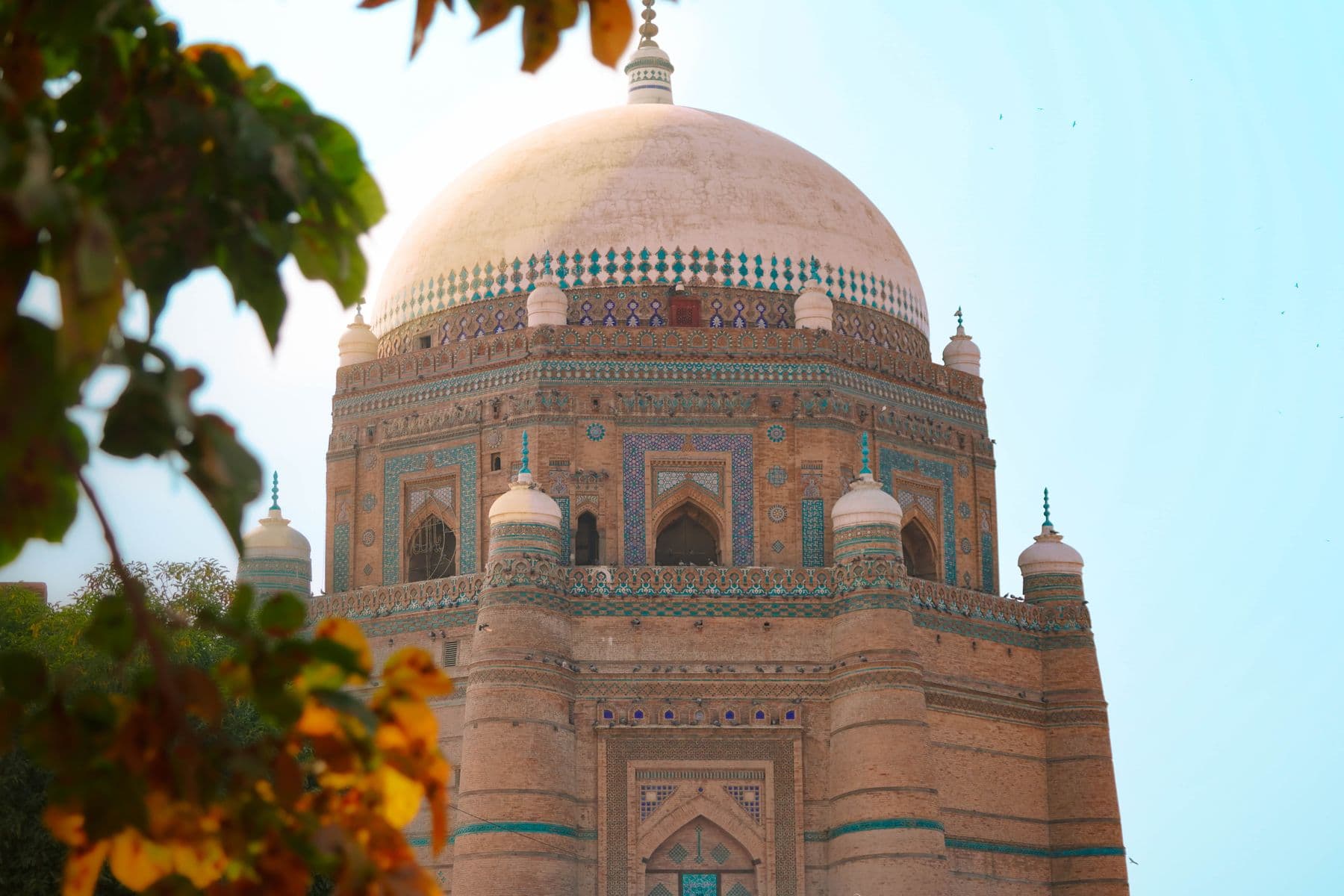
Multan
Sufi shrines, blue pottery and an old city glowing in southern light.
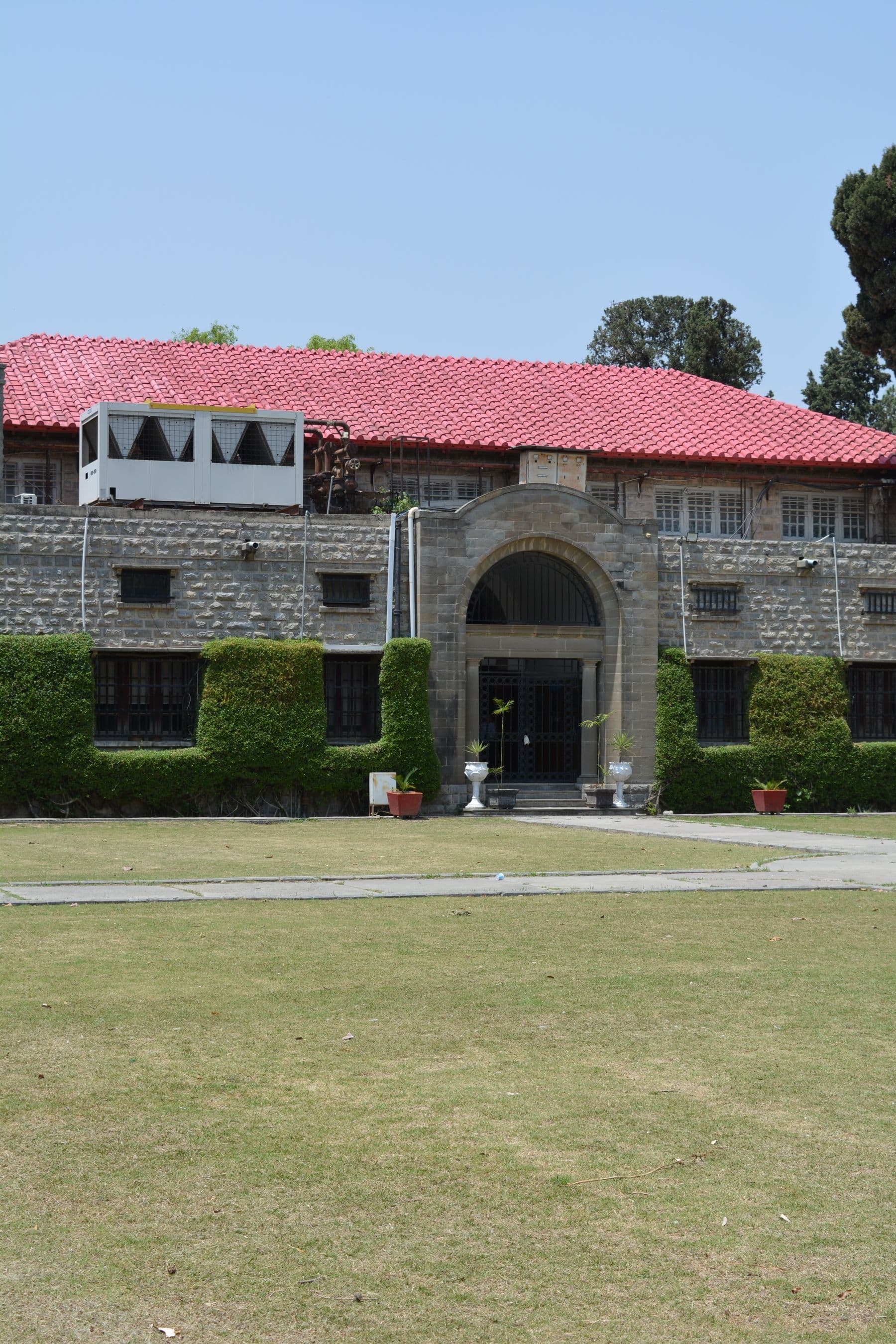
Taxila
Cities, monasteries and museums along an ancient crossroads.
Plan with a local perspective.
Read practical guides for the places on this route before choosing your stops.
Build your own itineraryTourism-company journeys