
Why go
A place to travel slowly.
Thatta and Makli form one of Sindh's richest cultural day journeys. The vast necropolis at Makli records dynasties, saints and patrons across hundreds of years, while Shah Jahan Mosque brings a different architectural language in brick and blue tile. The scale, heat and exposed terrain reward an early start and a knowledgeable guide.
Know the place
A fuller guide to Thatta and Makli.
Makli and Thatta preserve two extraordinary but very different architectural experiences. Makli is a vast funerary landscape where stone carving, brick and glazed tile record changing dynasties and artistic connections. Shah Jahan Mosque in Thatta creates an enclosed world of brick domes, geometry and blue tile. Together they make one of the richest cultural excursions from Karachi.
The sites are exposed to heat and require more walking than many visitors expect. Start early, carry water and use a guide who can distinguish major monuments and explain conservation challenges. A full day is preferable to a rushed stop on another journey.
Reading the Makli landscape
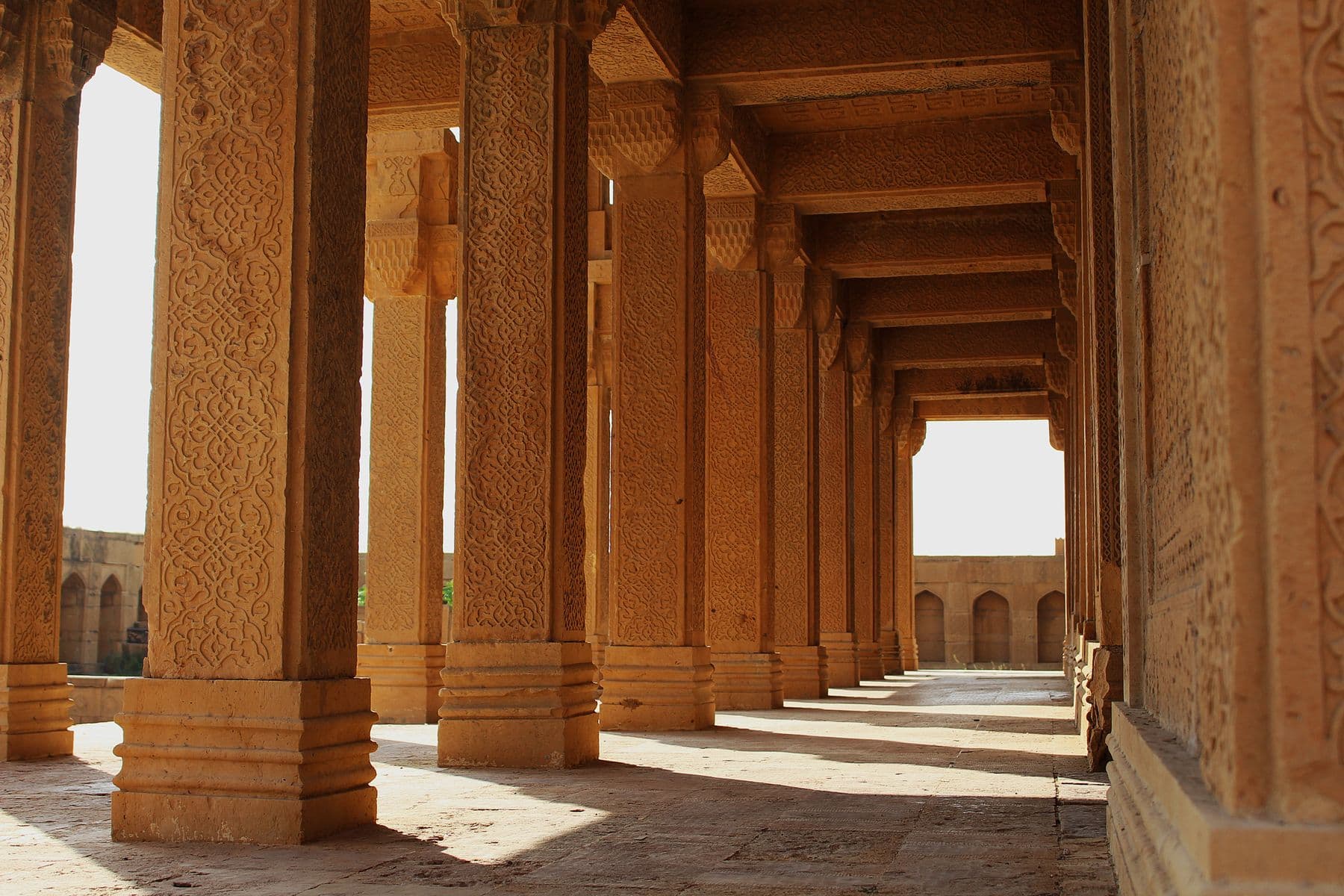
Makli is not a single tomb. Its monuments spread across a large ridge and represent rulers, saints, soldiers and patrons over several centuries. Focus on a manageable sequence and notice how carved sandstone, glazed tile and monumental scale change between groups. Never climb the structures or touch fragile decoration.
For the wider setting and ways to connect nearby places, read our Sindh regional guide.
Shah Jahan Mosque
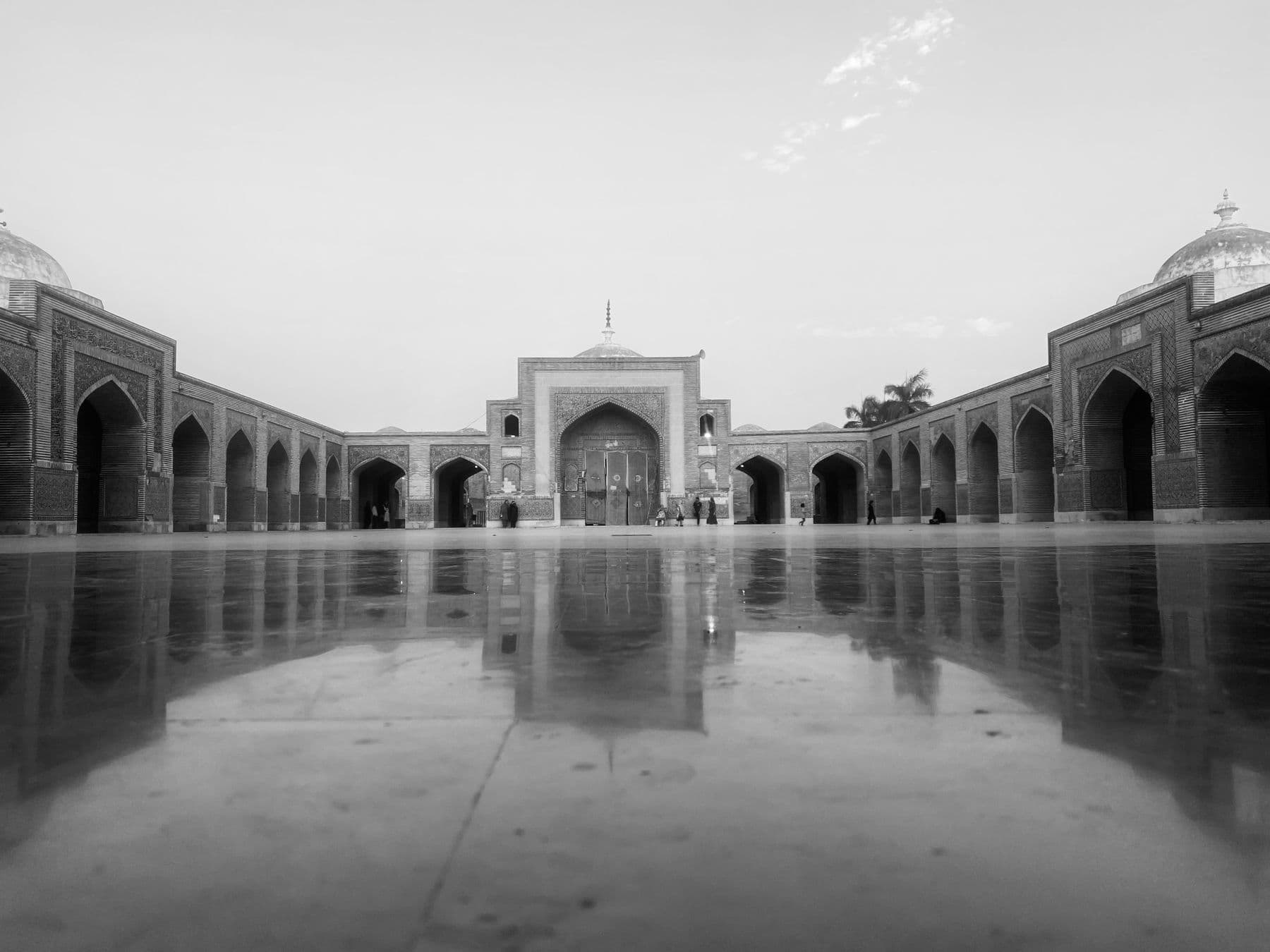
The mosque is celebrated for its tilework, brick construction and acoustic design. It remains a religious space, so visitors should dress respectfully, remove shoes where required and avoid interrupting prayer. Moving slowly through the courtyards reveals patterns that are easy to miss in a quick photograph.
Extending the journey
Keenjhar Lake or selected historic remains around Thatta can extend the day, but only if daylight and heat allow. The route should remain focused on quality rather than the number of stops. Return to Karachi before fatigue compromises road safety.
Explore related places and journey ideas in Ancient cities.
What to look for when the guide stops talking
At Makli, compare the treatment of entrances, inscriptions and carved surfaces across a small selection of monuments. Notice how stone and tile create different visual effects rather than merely asking which tomb is largest. The setting and spacing also matter. A guide should help you locate the monument within a period and explain uncertainty without inventing a personal story for every name or damaged feature.
At Shah Jahan Mosque, slow down to look at the relationship between courtyard, brickwork and tiled interiors. The change from an exposed funerary landscape to an active prayer setting is central to the day's interest. The mosque is a separate place, not part of Makli's UNESCO property simply because it appears on the same itinerary. Respect the conduct required for worship and allow the visit to remain quiet.
For a more detailed route and practical planning advice, read Makli and Thatta as a full day of architecture.
A full architecture day without a crowded detour list
Set out from Karachi with a comfortable morning arrival and a selected Makli route arranged in advance. Follow with Thatta's mosque at a time appropriate for access, then a meal and the return. Keep the schedule flexible around heat, opening arrangements and the actual road. Giving two important sites proper attention creates a complete day; no extra lake or roadside attraction is needed to justify the outing.
If considering Keenjhar or another extension, decide before travel what will be shortened and whether the group wants it. Do not make an optional stop compulsory when everyone is already tired. Travellers with mobility needs should ask about walking distances, ground surfaces and steps at the selected monuments. A knowledgeable guide can choose a worthwhile shorter route without pretending the whole necropolis is equally accessible.
Interpretation, exposure and a clear quotation
Cooler conditions usually make the exposed visit easier, but check the actual forecast rather than relying on a named month. Arrange drinking water, shade breaks and a suitable meal. Ask what is included in the touring price: the return vehicle, guide, entrance charges, parking and waiting time. A low headline excursion price may omit the interpretation that gives the architecture meaning.
Conservation barriers and local instructions are part of the visit, not inconveniences to work around. Keep off tombs and decorative surfaces, even for a brief photograph, and do not collect fragments. Ask permission for portraits and keep clear of worshippers at the mosque. Return with daylight and driver rest in mind. A successful day is measured by what you understood and enjoyed, not by the number of names written on the route.
When you are ready to compare organised trips, search packages including Thatta and Makli. Availability depends on the tourism companies' current listings.
Build the route
Three anchors for the journey.
Makli Necropolis
A vast funerary landscape whose carved stone and glazed tile span several ruling traditions.
Shah Jahan Mosque
A celebrated brick mosque known for blue tilework, domes and remarkable acoustics.
Keenjhar Lake
A freshwater lake that can add a gentler landscape stop to the return journey.
Plan responsibly
Useful context, confirmed closer to departure.
Season windows are planning guidance, not live access guarantees. Road conditions can change quickly. For a booked package, the tourism company must confirm that the relevant roads are open and the trip can proceed.
- Visit between November and February for the most comfortable weather.
- Carry shade, water and sun protection because Makli has little shelter.
- Hire a knowledgeable cultural guide.
- Follow conservation barriers and never climb a monument for photographs.
Research reference: official tourism or heritage information. Access and operating details should still be confirmed close to travel.
Add Thatta and Makli to a journey or compare packages that include it. Published packages show their current availability, while final operating confirmations remain the tourism company's responsibility.