
The Wayzari regional guide
From a working port city to the long history of the Indus
Research checked
Sindh offers some of Pakistan's strongest contrasts without needing a mountain backdrop. Karachi is a working port metropolis, full of neighbourhoods and competing rhythms. Thatta and Makli invite close attention to tile, carved stone and a much quieter architectural landscape. Farther inland, Mohenjo-daro raises different questions about how an ancient city was organised. A good regional itinerary lets those differences remain visible.
Start by deciding whether you want a Karachi stay with a lower-Sindh excursion, or a longer journey inland. The province's heritage sites are not all day trips from the coast. Count transfers, choose an appropriate overnight base and protect time for interpretation. The river, shrines, craft and contemporary city life make the journey richer, but none improves by being compressed into one exhausting circuit.
- First journey
- Karachi with a separate Thatta and Makli outing
- Inland extension
- Mohenjo-daro needs its own transport and overnight planning
- Outdoor comfort
- Heat, shade and the actual visit time matter at exposed sites
Karachi: choose an area and let the city open up
A worthwhile city visit combines a manageable group of places rather than chasing every landmark across heavy traffic. Mohatta Palace, Frere Hall and Mazar-e-Quaid offer different kinds of cultural context. Select the visits that fit your interests and confirm their current arrangements. A museum or exhibition deserves time inside; its exterior photograph is not a substitute for understanding what is being presented.
Food and neighbourhood life should have space between formal visits. Ask for a route suited to the group and the time of day, with reliable transfers and a comfortable meal stop. A coastal pause can balance a city stay, but the shore is not automatically a swimming venue. Clarify what the outing involves and avoid turning a late afternoon visit into an unnecessarily complicated night return.
Thatta and Makli: two connected visits, different stories
Makli is a funerary landscape whose monuments reward close looking at stonework and architectural detail. Thatta's Shah Jahan Mosque offers a different experience through its tile and prayer-space setting. The UNESCO inscription for Makli should not be casually extended to every building in Thatta. Keep the sites distinct while allowing them to form a coherent day, with transport, shade and a meal properly arranged.
Choose a guide who can explain the periods and people connected to the monuments without reducing every tomb to a decorative backdrop. Plan a limited walking route rather than assuming the whole landscape needs to be crossed. Follow barriers and conservation instructions, and do not climb onto tombs for a portrait. At the mosque, respect worship, dress requirements and any areas or times closed to sightseeing.
Mohenjo-daro: a separate journey into a much earlier city
Mohenjo-daro belongs to the Indus civilisation, not the same historical period as Makli or Thatta's mosque. Its interest lies in urban organisation and surviving evidence rather than monumental height. Begin with a museum or an informed introduction, then walk selected areas with attention to streets, building arrangements and drainage. The site becomes more legible when the guide explains what can and cannot be established from archaeology.
Arrange the gateway, overnight stay and visit timing separately from a Karachi city break. An exposed archaeological visit needs shade breaks and reliable drinking water, particularly in hot conditions. Check current access and conservation arrangements with the responsible authority. Do not rely on an old flight listing or an optimistic road estimate to promise an effortless excursion. The time spent reaching the area is part of the itinerary and budget.
Extend inland with a purpose, not with more pins
The provincial tourism corporation identifies a wider range of places, including Kot Diji, Sukkur landmarks, shrines and desert destinations. Use those possibilities to choose a coherent extension rather than making a long list of scattered attractions. Decide whether the interest is architecture, contemporary devotion, river landscapes or a desert stay, then match the overnight stages and guiding to that purpose.
An active shrine requires different conduct from a museum or archaeological site. Confirm the appropriate visiting time and avoid crowding worshippers for photographs. A desert excursion needs its own arrangements for transport, water, accommodation and access. Neither a festival name nor a beautiful image confirms that an outing is currently appropriate. Specific local planning is more valuable than a promise to show every side of Sindh in one week.
Build the day around heat and the actual conditions
Cooler periods generally make outdoor heritage visits more comfortable. Inland conditions and the coast are not identical, and temperature alone does not describe exposure, humidity or the suitability of a shore outing. Check the forecast for the actual location and dates. In hotter weather, shorten exposed visits and use indoor intervals, reliable cooling at the hotel and a pace the group can comfortably sustain.
Rain and flooding can change road access and the condition of sites. Confirm arrangements close to departure, especially for an itinerary that leaves the main urban centres. Choose accommodation for its services and the onward route, not only the view or a low room rate. Confirm cooling, room occupancy, meal availability and the journey to the planned visit so that a simple overnight stage does not create another long transfer.
Make the connections clear and the encounters respectful
Compare transport options through actual departure points, schedules, luggage arrangements and the final transfer. For private touring, ask about waiting time, fuel and driver accommodation. Separate entry charges and guide fees from the accommodation price. A clear quotation makes it easier to compare a city break with a longer provincial route without confusing substantially different levels of service or time on the road.
Meals, textiles and craft can add an everyday dimension to the monuments. Ask who made an item and pay fairly for an arranged demonstration. Explain dietary needs in advance and choose food stops that fit the day's area rather than crossing the city repeatedly. Follow museum photography rules, seek consent for portraits and keep coastal or rural outings free of litter. A good Sindh journey connects past and present without treating either as a display made solely for visitors.
A starting point, not a fixed programme
Ways to shape the journey
Karachi and lower-Sindh architecture
Four or five days
Allow two considered city days, then a separate Thatta and Makli visit with transport and breaks arranged. Keep the arrival and final day comfortable rather than adding a distant inland detour.
A city stay with an Indus archaeology extension
Six to eight days, depending on connections
Begin in Karachi and arrange a separate inland stage for Mohenjo-daro with a suitable overnight base. Add another heritage stop only after checking the real transfer and site time.
Before you decide
Is Mohenjo-daro an easy Karachi day trip?
It should not be presented that way. Plan its gateway, transfers and visit as a separate inland stage, using current transport arrangements and an appropriate overnight base.
Are Makli and Mohenjo-daro from the same period?
No. Mohenjo-daro is an Indus civilisation city. Makli's monumental funerary landscape belongs to much later centuries. Separate interpretation helps you appreciate both.
Places in the region
Different places, one clear way in.
Use these guides to compare pace, season and character before adding anything to a route.
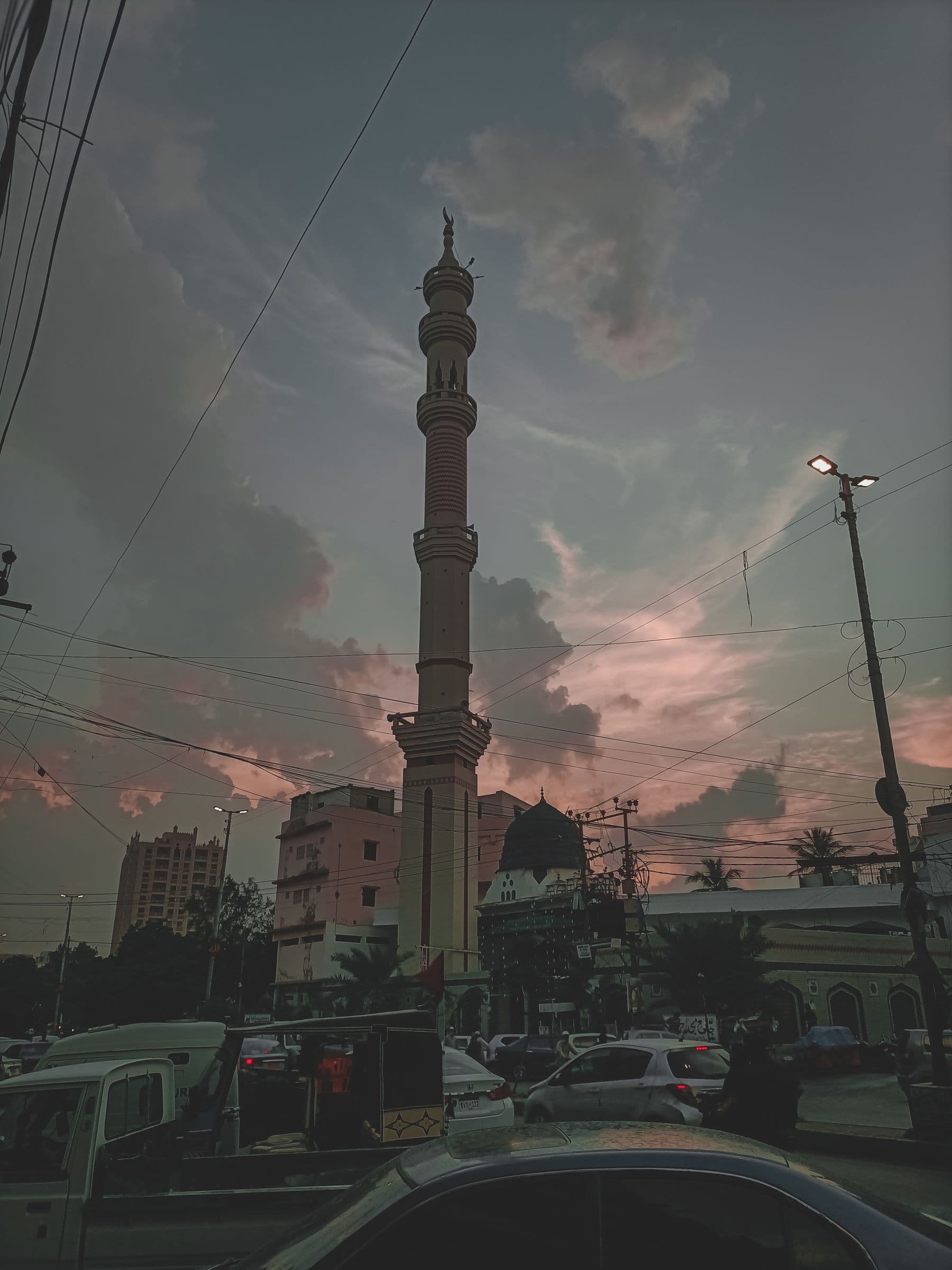
Karachi
A restless coastal metropolis shaped by trade, migration and the sea.
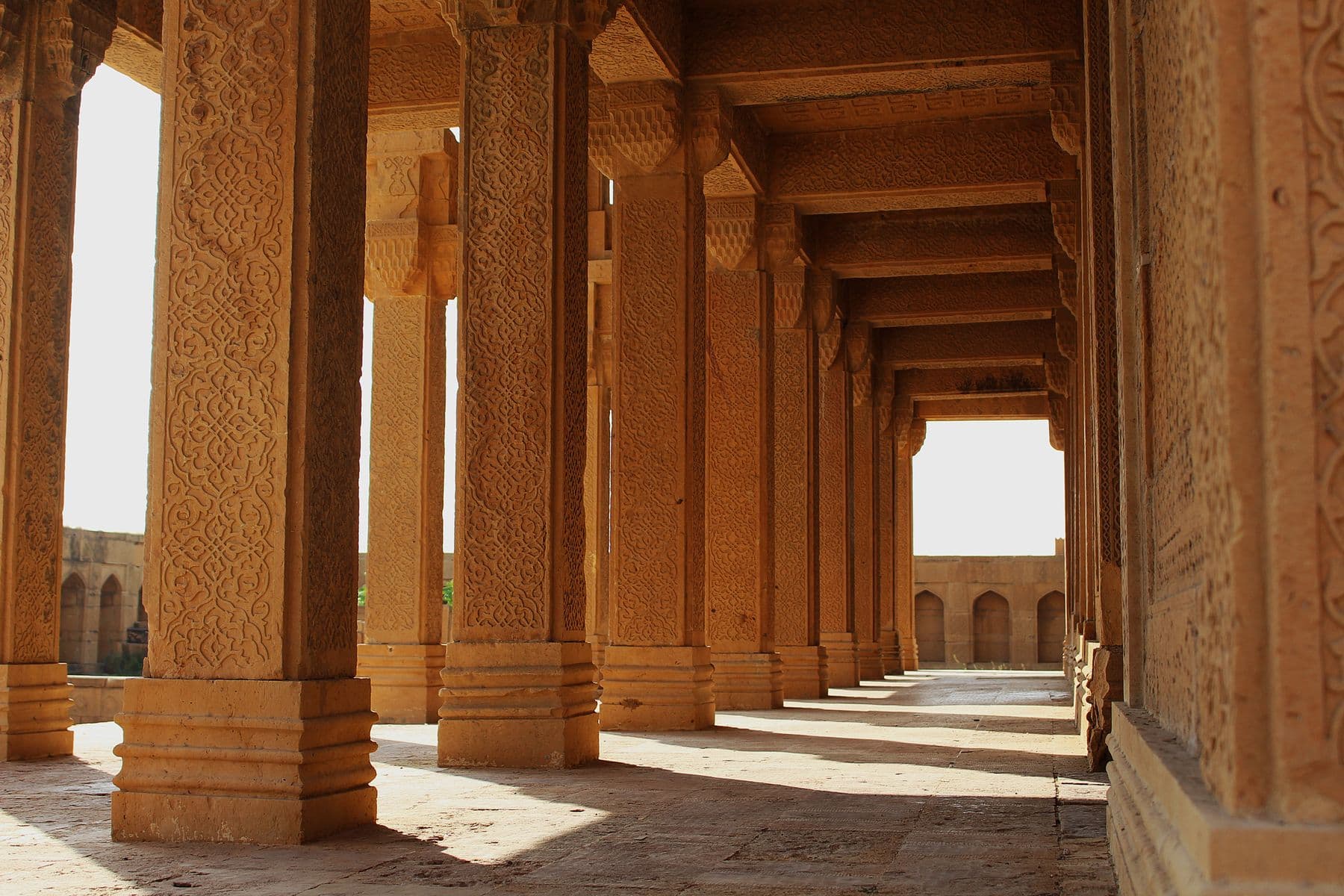
Thatta and Makli
Tile, stone and centuries of history near the Indus Delta.
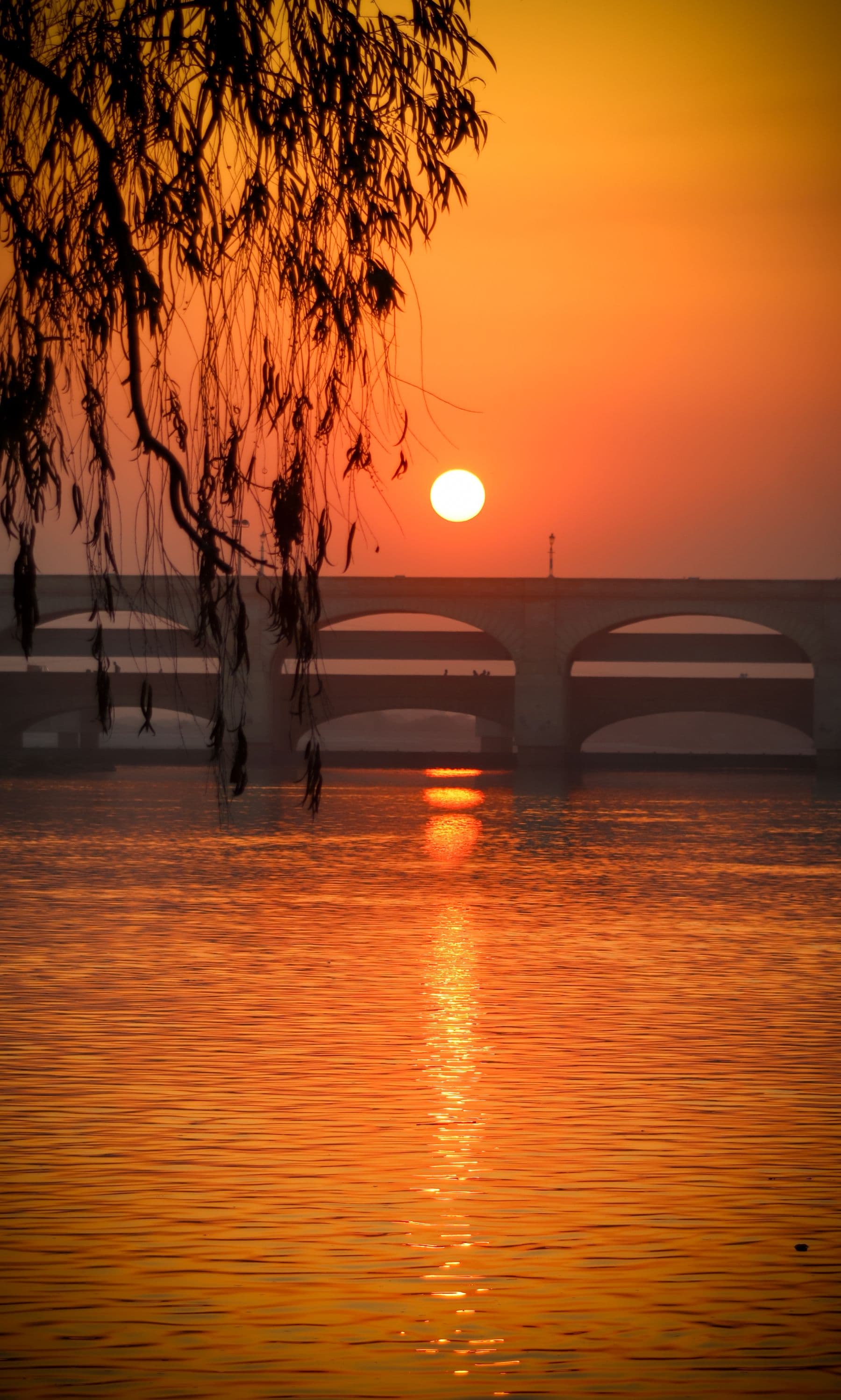
Mohenjo-daro
A remarkably ordered city from the ancient Indus world.
Plan with a local perspective.
Read practical guides for the places on this route before choosing your stops.
Build your own itineraryTourism-company journeys
A route already taking shape.
Use these destinations to plan an independent journey, or explore packages that fit your departure point and travel dates.