
The Wayzari travel guide
How to read a city when most of it is no longer standing
Research checked
At an archaeological site, the most useful view is not always the most dramatic. A street junction, a drain or the position of a courtyard can say more about a city than its tallest surviving wall. Mohenjo-daro and Taxila reward visitors who arrive with a map, a few questions and enough time to connect small details. Without that context, one low foundation can start to look much like another.
These are not interchangeable ancient places. Mohenjo-daro belongs to the Indus civilisation. Taxila includes successive settlements and religious complexes from different periods. A good archaeological holiday keeps those distinctions clear, uses museums to establish chronology and treats what remains as evidence to understand, not scenery to climb on. The journey is as much about looking carefully as about looking far back.
- Two main starting points
- Mohenjo-daro near Larkana; Taxila from the Islamabad area
- Best approach
- Museum, site plan and a guide who distinguishes evidence from speculation
- Allow time for
- Separate site visits, shade, transport and interpretation
Mohenjo-daro: begin with the urban plan
Mohenjo-daro's importance lies in the organisation of an Indus civilisation city, not simply the age of its bricks. Look at the relationship between streets, houses and public structures. Ask a guide to explain how the plan is known and what the surviving evidence can tell us about water and daily life. A few well-explained details are more valuable than a rapid walk through every visible area.
Use Larkana and the surrounding region to plan the visit, rather than treating the site as a small detour from Karachi. Confirm the approach, accommodation and museum arrangements before travelling. Outdoor exposure is a major part of the experience, so choose a cooler time of day, arrange drinking water and leave a place to rest. Follow staff instructions about sections that are closed or fragile.
Taxila is a group of places, not one ruin
Taxila brings together settlement remains and Buddhist monuments spread across a wider area. Sirkap offers one way to understand urban form, while a monastery gives a different perspective on religious life. Do not assume a single entrance and a short walk will cover everything. Choose the sites you want to understand, check which are accessible and arrange transport between them.
Start at the museum when its opening arrangements permit. Sculpture and smaller objects make the sites easier to read later, particularly for visitors unfamiliar with Gandharan art. An Islamabad or Rawalpindi base can make a focused excursion practical. Add another site only if there is time to interpret it properly rather than turning the afternoon into a sequence of arrivals and departures.
Keep the chronology honest
A brochure that calls every stop thousands of years old tells you very little. Ask which settlement phase or building period you are looking at. A site can have a long history without every visible feature belonging to its earliest occupation. Good interpretation is comfortable with uncertainty and does not need an invented story to make a modest surviving wall interesting.
Makli and Thatta are worthwhile heritage journeys but should not be folded into the Indus civilisation story. Makli's monumental burial landscape belongs to much later centuries and a different cultural setting. You can compare the ways places were organised and commemorated while keeping their dates and purposes separate. The distinction makes the trip more informative, not less connected.
Prepare a few questions before you arrive
Useful questions are simple: how did people enter this building, where did water go, which surfaces survive and which were repaired? Ask the guide to show you an example rather than reciting dates without reference to the ground. A site plan or a small notebook can help. Families can focus on one theme, such as water or houses, instead of expecting children to remember an entire chronology.
Check whether the quoted guiding price includes the museum, transfers and admission. Choose someone familiar with the actual site rather than only general regional history. Photography restrictions can differ between the museum and outdoor remains. If you want specialist photography or filming, ask in advance rather than assuming an ordinary visitor ticket permits commercial work.
Comfort and conservation belong in the same plan
Exposed ruins require shade, water and sensible timing. Cooler periods are generally easier for extended visits in Sindh and the plains; hot weather calls for a shorter early outing. Rain may affect surfaces and visitor routes. Check current opening and access arrangements with the site authority, and choose footwear that works on uneven ground without encouraging you to leave designated paths.
Never climb walls, pick up fragments or use old masonry as a seat. Salts, weather and contact already place pressure on fragile material. A photograph is not worth additional damage. Buy a catalogue or museum publication if you want to continue learning, and spend time with the displays rather than searching for a souvenir that could be an archaeological object. Let conservation barriers decide the limits of the visit.
A starting point, not a fixed programme
Ways to shape the journey
A focused Taxila day
One full day from Islamabad or Rawalpindi
Plan the museum and a small selection of settlement or monastery sites. Confirm the route with a guide and leave enough time for interpretation and a meal rather than attempting the whole archaeological area.
Mohenjo-daro with a regional base
Two or three days including arrival and onward travel
Arrange a Larkana-area stay, a cooler-hour site visit and museum time. Keep distant Sindh monuments as separate stages rather than adding them to the same outing.
Before you decide
Are Mohenjo-daro and Taxila from the same civilisation?
No. Mohenjo-daro is an Indus civilisation city. Taxila contains multiple settlement periods and an important Buddhist archaeological landscape. Their value is clearer when you compare them without collapsing their very different histories.
Will there be much to see if the buildings are incomplete?
Yes, if the visit includes interpretation. Plans, drainage, surviving architectural features and museum objects can reveal how a place worked. This is a better fit for travellers curious about evidence than for someone expecting intact palaces at every stop.
Places with this feeling
Different places, one clear way in.
Use these guides to compare pace, season and character before adding anything to a route.
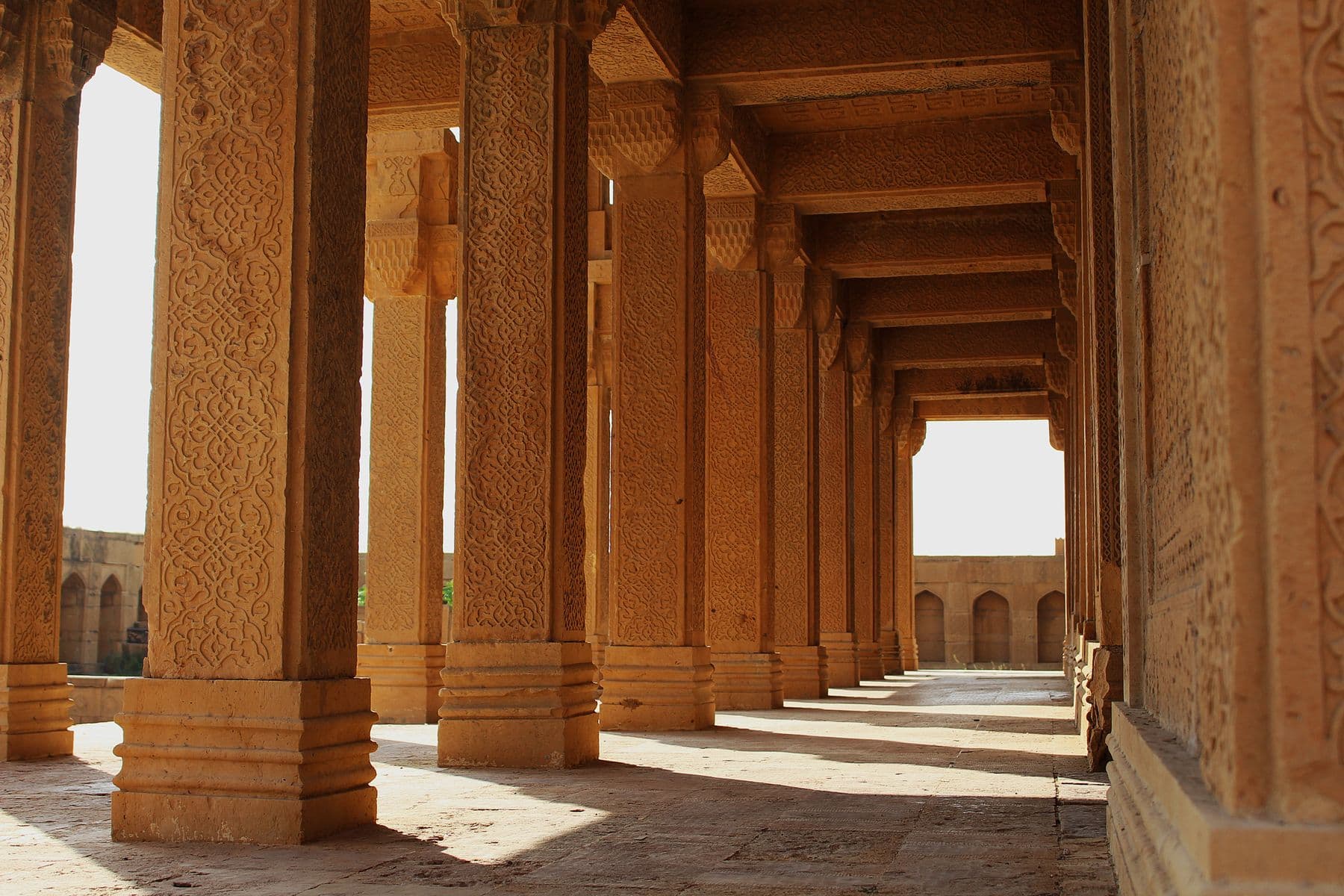
Thatta and Makli
Tile, stone and centuries of history near the Indus Delta.
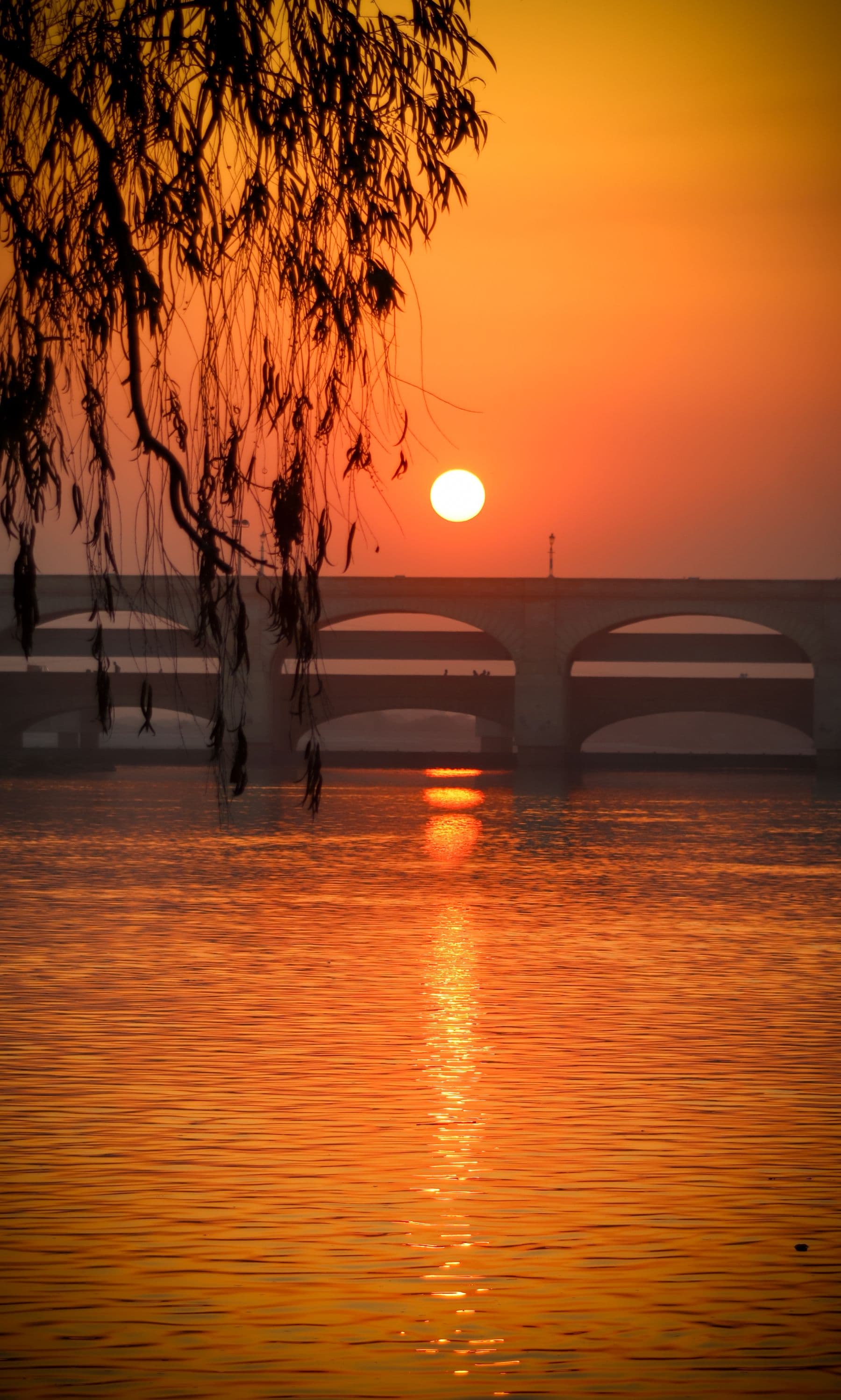
Mohenjo-daro
A remarkably ordered city from the ancient Indus world.
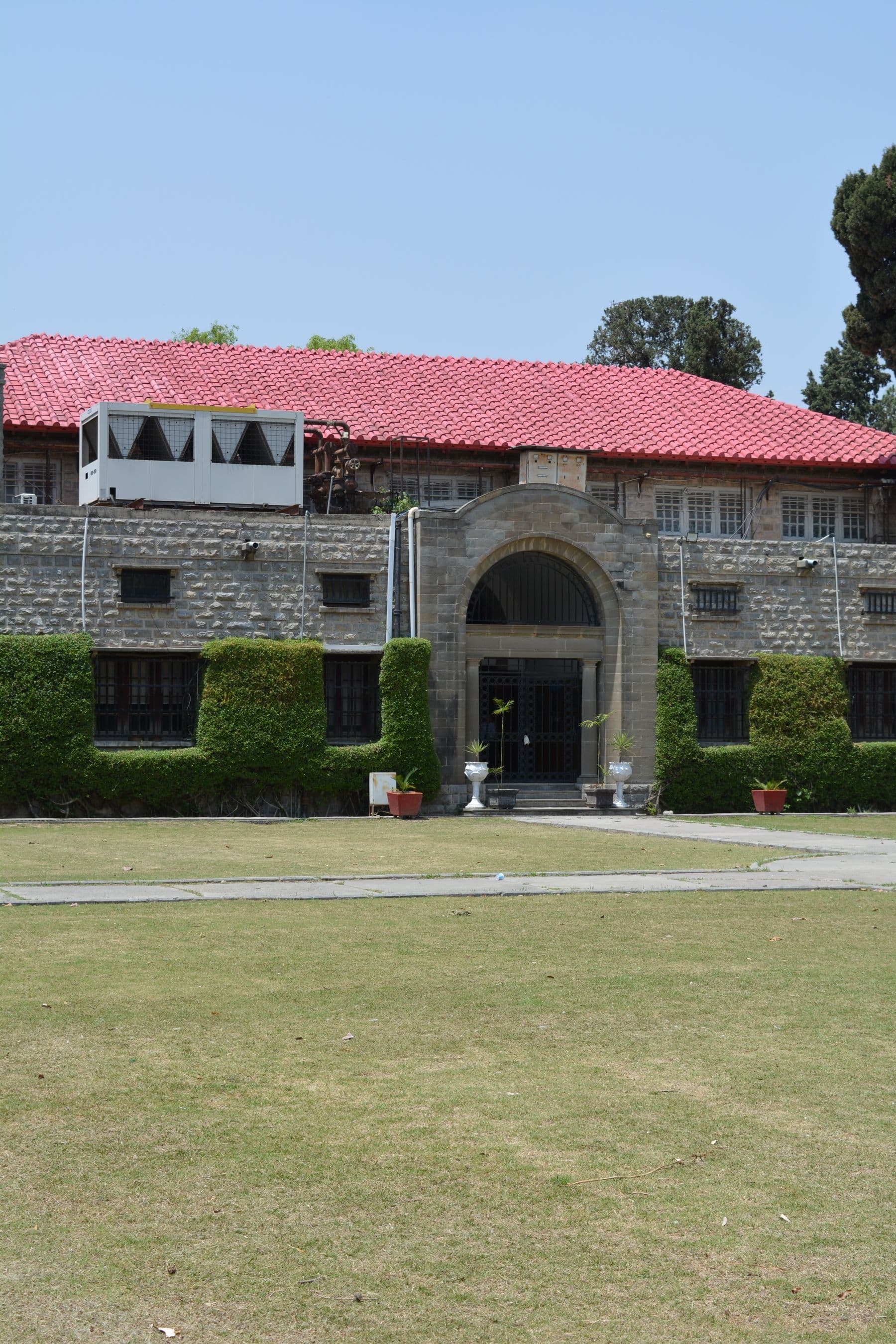
Taxila
Cities, monasteries and museums along an ancient crossroads.
Plan with a local perspective.
Read practical guides for the places on this route before choosing your stops.
Build your own itineraryTourism-company journeys
A route already taking shape.
Use these destinations to plan an independent journey, or explore packages that fit your departure point and travel dates.