
Why go
A place to travel slowly.
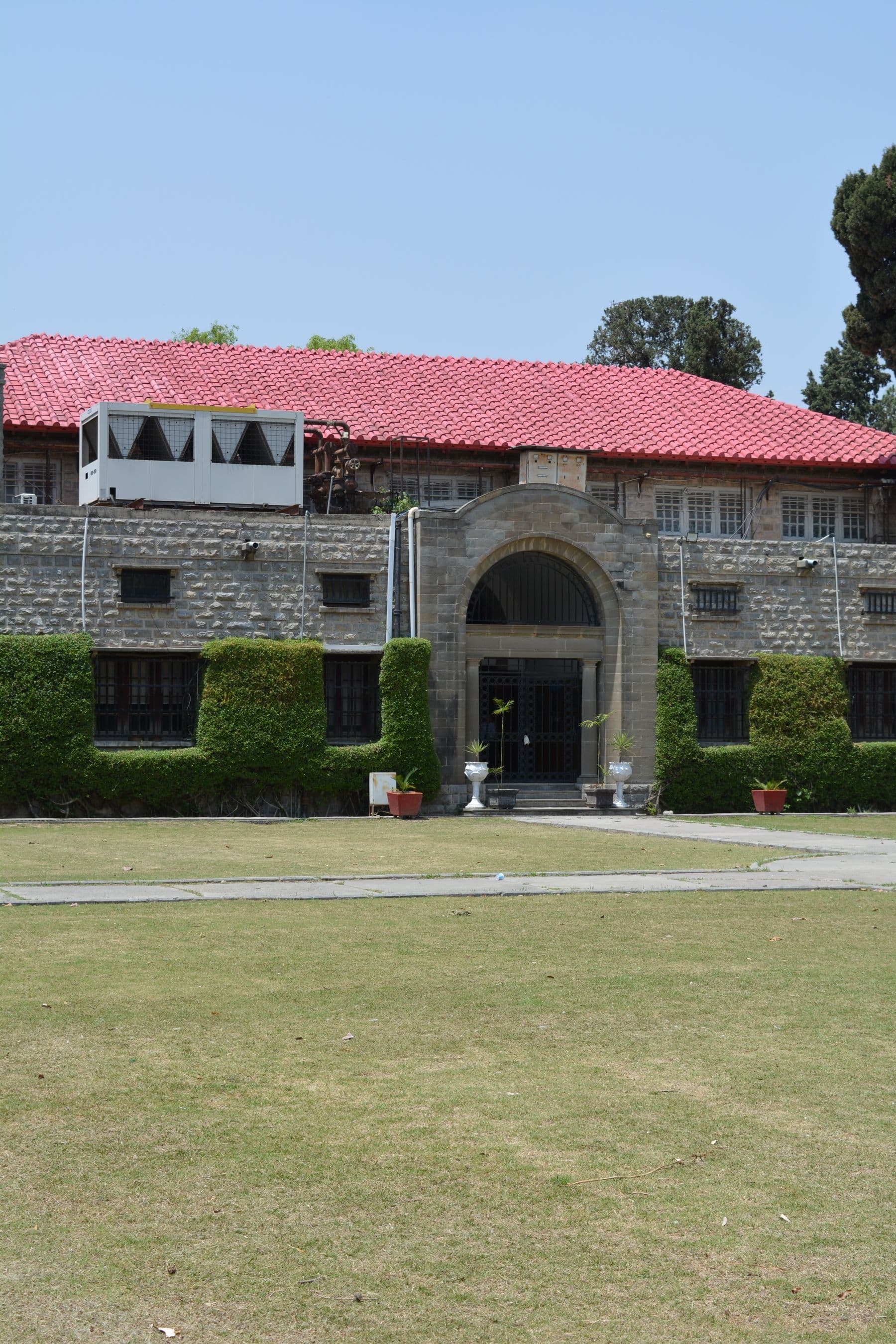
Taxila is not one ruin but a broad archaeological landscape. Successive settlements and Buddhist monastic sites show how the region changed under different influences along historic routes between South and Central Asia. A museum visit first makes the stone plans and sculptural remains far more legible.
Know the place
A fuller guide to Taxila.
Taxila is an archaeological region of successive cities, monasteries, stupas and settlements rather than one enclosed ruin. Its position on historic routes connected South Asia with Central and Western Asia, and the remains reflect changing political and religious worlds. The museum provides the essential key to understanding the scattered outdoor sites.
A focused day can include the museum, one major city site and one monastic complex. Two days allow a slower comparison of Bhir Mound, Sirkap, Dharmarajika, Jaulian and other locations. Site condition and access can vary, so confirm the day's route locally.
Begin with Taxila Museum
The museum's Gandharan sculpture, coins, ceramics and plans establish the chronology that outdoor foundations cannot explain alone. Look at how artistic forms combine local and wider influences. Note official photography rules and allow at least an hour before heading to the ruins.
For the wider setting and ways to connect nearby places, read our Punjab regional guide.
Cities across time
Bhir Mound and Sirkap represent different phases of urban development. At Sirkap, the street grid makes the planned city easier to imagine, while individual religious structures reveal a diverse environment. A guide can help distinguish periods without overstating uncertain reconstructions.
Monasteries and stupas
Dharmarajika and Jaulian shift the focus from streets to Buddhist religious life. Jaulian's hill position adds a landscape dimension, but the climb and exposed weather require suitable footwear and water. Respect barriers and never touch carved or plastered surfaces.
Explore related places and journey ideas in Ancient cities.
Different places answer different historical questions
Compare an urban site such as Sirkap with a monastic complex rather than trying to see every ruin in one day. A street plan raises questions about houses, commerce and religious diversity; a monastery shifts attention to learning, worship and the organisation of communal life. Bhir Mound adds another phase to the urban story. Use the museum chronology to avoid merging these different settings into one imagined ancient city.
Look for what is visible and ask what has been inferred. A guide should distinguish an original surface from conservation work, and a supported interpretation from a popular story. The wider UNESCO property is a serial archaeological landscape, not a single enclosed monument. Some places may be inaccessible on the day, and that need not spoil a carefully selected route centred on the questions that interest you.
For a more detailed route and practical planning advice, read A field guide to Taxila's Buddhist and urban landscape.
One considered day, or two for a closer comparison
For a first day, begin with the museum and choose one city site and one Buddhist complex, accounting for transfers and walking. Do not assume identical admission or closing arrangements across them. Take time to use the plan and labels before asking the guide to move on. An afternoon with two well-understood places can be more satisfying than several hurried stops whose differences remain unclear.
A second day allows another phase or complex to be considered without racing through the first route. Jaulian's hill setting means effort and exposure should be described in advance. Ask about surfaces and steps for anyone with mobility needs. Keep room for shade, drinking water and a meal. The fact that remains are low does not make the terrain uniformly accessible or comfortable in strong heat.
A convenient gateway does not define the whole property
Taxila town and its museum are in Punjab, and the region is often visited from Islamabad or Rawalpindi. The wider UNESCO serial property includes archaeological sites in Punjab and Khyber Pakhtunkhwa. That is more precise than saying every component lies inside one province. Ask which sites your route covers and how they fit together, especially when a package uses the broad label Taxila without naming the actual visits.
Budget for interpretation and transport between selected sites, not only the museum admission. Follow barriers and photography instructions, and keep hands and shoes away from fragile sculpture, plaster and masonry. Avoid touching a relief to make its detail visible for the camera. The visit succeeds when the museum and landscape become connected in your understanding, while the protected material remains exactly where and how it was found.
When you are ready to compare organised trips, search packages including Taxila. Availability depends on the tourism companies' current listings.
Build the route
Three anchors for the journey.
Taxila Museum
The clearest introduction to the region's Gandharan art and excavated history.
Sirkap
A planned historic city where the street grid and building foundations remain visible.
Jaulian
A hilltop monastic complex with cells, stupas and wide views across the valley.
Plan responsibly
Useful context, confirmed closer to departure.
Season windows are planning guidance, not live access guarantees. Road conditions can change quickly. For a booked package, the tourism company must confirm that the relevant roads are open and the trip can proceed.
- Start with the museum, then choose sites rather than attempting every ruin.
- Use sun protection and sturdy shoes.
- Check weekly closing days and ticket arrangements.
- Combine the journey with Islamabad or Rawalpindi rather than rushing onward to a distant destination.
Research reference: official tourism or heritage information. Access and operating details should still be confirmed close to travel.
Add Taxila to a journey or compare packages that include it. Published packages show their current availability, while final operating confirmations remain the tourism company's responsibility.