
The Wayzari travel guide
Visit with curiosity, and leave room for devotion
Research checked
A sacred place does not become a sightseeing attraction simply because it has remarkable architecture. People may be coming to pray, remember a relative, make an offering or sit quietly. The visitor's first task is to understand what is happening and where they can stand without interruption. That care makes the architecture more meaningful, not less accessible.
Pakistan's sacred landscapes include active shrines and mosques as well as archaeological places associated with earlier religious life. Multan, Lahore and Taxila offer different starting points. Decide whether your journey is for heritage, personal devotion or both, and explain that purpose when arranging a guide. A thoughtful programme makes time for rest and worship instead of filling every pause with another compulsory excursion.
- Different kinds of visit
- Active worship, religious heritage and archaeological interpretation
- Prepare before arrival
- Dress, shoes, photography rules and access during services
- Keep distinct
- Domestic sacred-site visits, Umrah and Ziyaraat
Multan: give the shrine its present as well as its past
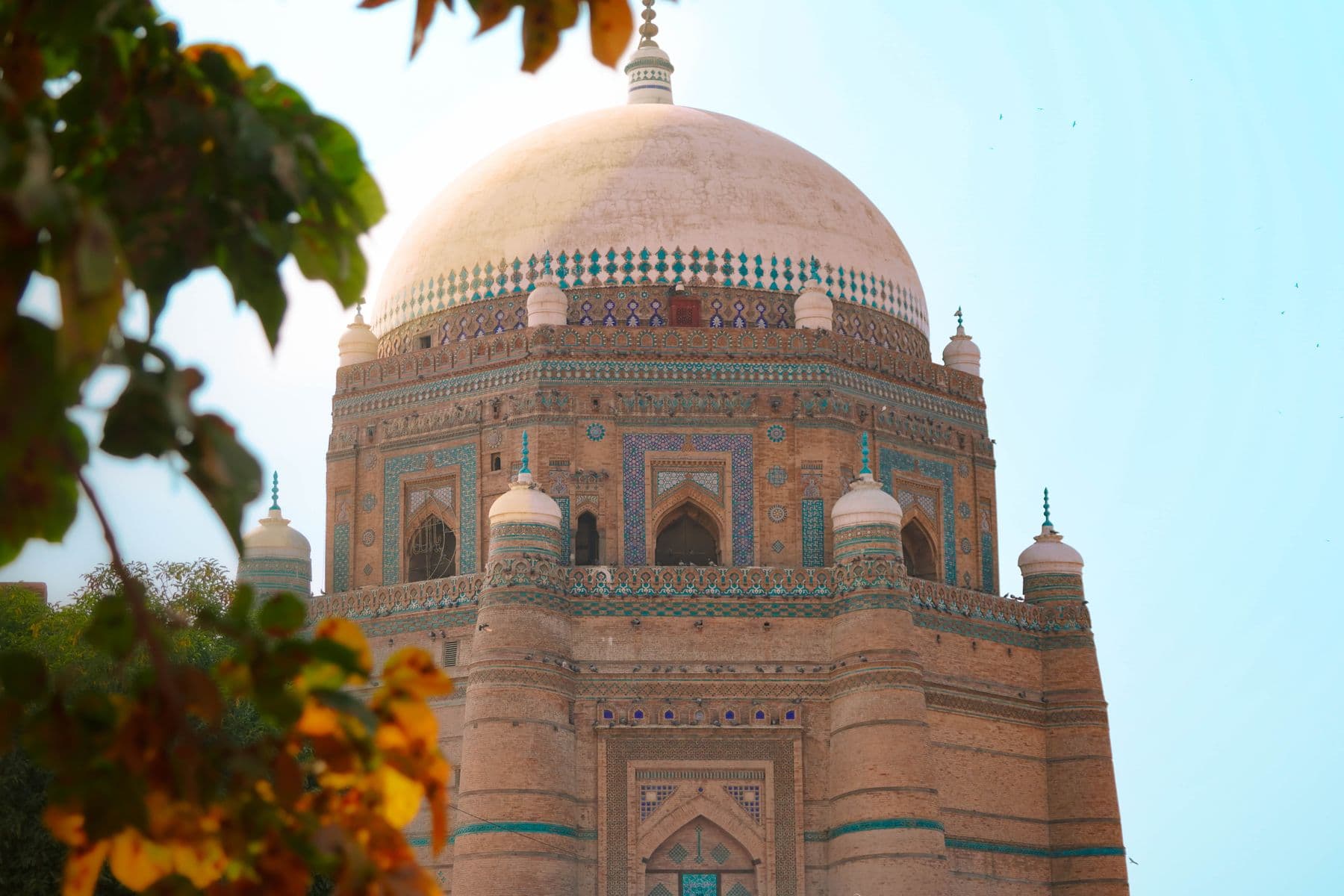
Multan's shrines belong to a living religious and urban setting. Tilework, brick surfaces and the shape of a courtyard are worth looking at, but so is the way the place is used. Ask a local guide to explain the history while respecting worshippers' space. A historical introduction should not turn people arriving for devotion into subjects for a visitor's camera.
Plan visits at a pace appropriate to the group. Heat, steps, crowds and the need to remove shoes can make a short route more demanding than it appears on paper. Confirm which areas are accessible, where the vehicle can stop and whether someone needs a quieter alternative. Follow instructions from the people responsible for the shrine even if another visitor appears to ignore them.
Lahore: architecture within a place of prayer
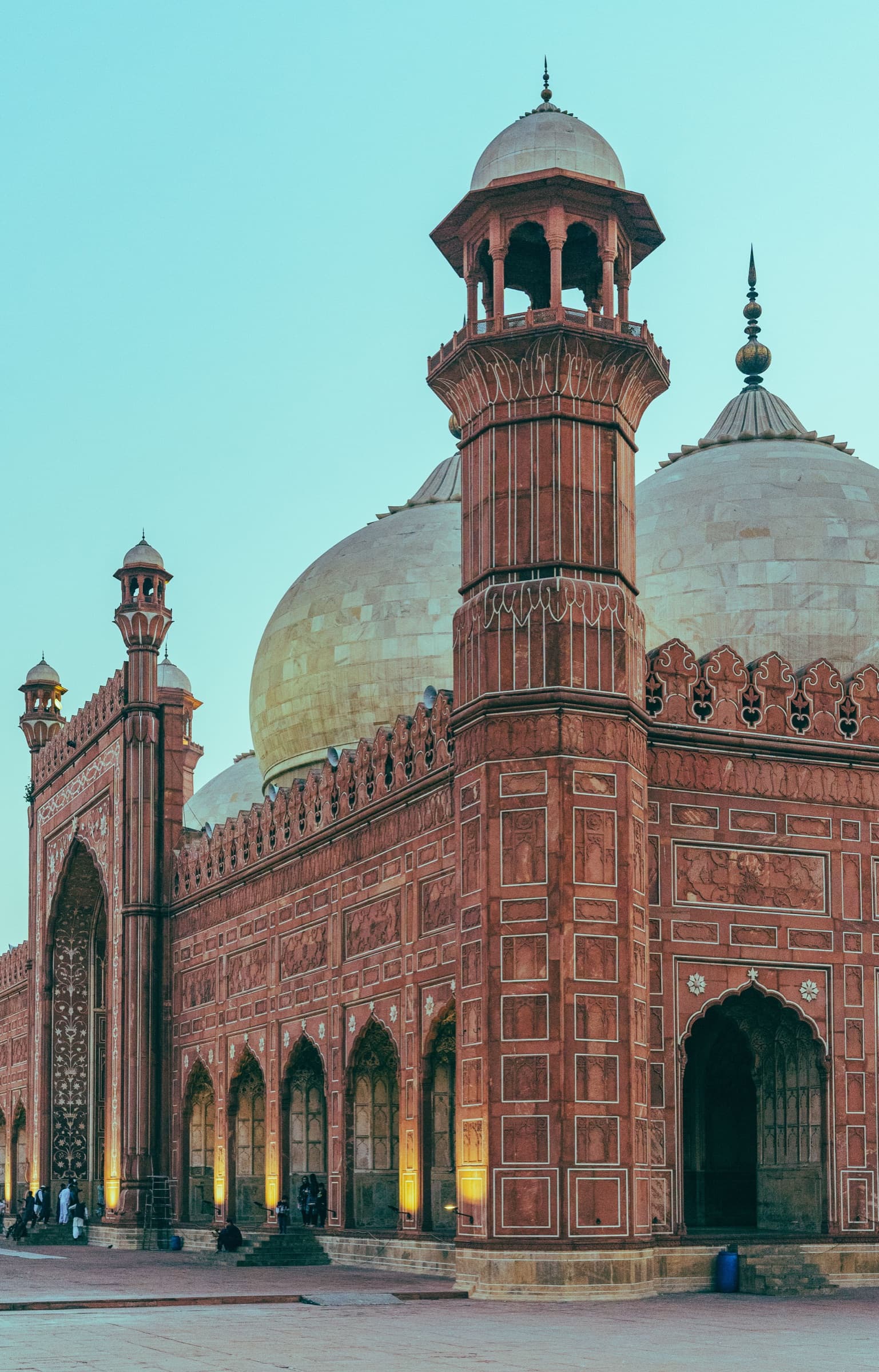
Badshahi Mosque and Wazir Khan Mosque give very different architectural experiences. The scale of one and the decorated surfaces of the other should not obscure their continuing use. Ask about current visitor access and prayer-time arrangements. Move quietly, avoid blocking circulation and never step in front of someone praying to get a better view.
A mosque visit can sit within an old-city walk, but make the religious stop purposeful rather than a compulsory photograph. Shahi Hammam provides a different kind of historical context nearby in the Delhi Gate area. A guide should make clear which spaces are active religious places, which are heritage visits and where different behaviour or tickets are required.
Taxila: a sacred past interpreted through evidence
Taxila's monasteries, stupas and museum collections offer a way into the Buddhist history of the region. The encounter is different from visiting an active mosque or shrine: you are interpreting surviving material and the relationship between sites. Choose a few places with a guide who can explain their functions and chronology, and begin with museum context where possible.
Visitors with a personal religious connection may want a different pace from a general heritage tour. Explain that when arranging the day. Do not assume every archaeological site permits every form of ceremony, or that conservation areas can be used without permission. Respect site staff and barriers, and keep devotional arrangements separate from access claims that have not been confirmed.
Ask before entering, photographing or joining in
Wear modest clothing appropriate to the place and carry any covering requested by the host community. Follow instructions about shoes and where to leave them. Do not assume that an open door is an invitation into every room, or that being allowed to watch a ceremony means you should participate. Ask a guide or staff member when you are unsure and accept limits without negotiation.
Photographing architecture and photographing worshippers are separate decisions. Seek permission for people and avoid intrusive close-ups of devotion or grief. Use authorised donation arrangements where available and do not pressure children with gifts in exchange for photographs. If the group includes different faiths, make participation optional and discuss the purpose of each visit beforehand.
Do not confuse a heritage outing with a pilgrimage package
Umrah and Ziyaraat are distinct journey types, not alternative names for a general sacred-sites holiday. For an international pilgrimage, compare the named places, required documents, accommodation, transport and the operator's applicable authorisation. Religious priorities should be explicit. Optional sightseeing belongs around those priorities, not in competition with them.
For domestic stays, choose a base that reduces repeated transfers and offers a comfortable place to rest. Travellers with mobility needs should ask about entrances, steps and bathrooms rather than relying on an accessibility label. Request a breakdown of guiding, transport and entry charges where relevant. Confirm festival or gathering arrangements directly, because ordinary access and accommodation expectations can change substantially.
A starting point, not a fixed programme
Ways to shape the journey
Multan with time for reflection
Two or three days
Arrange a small number of shrine visits, a craft or heritage walk and quiet periods between them. Keep the sequence flexible around worship, access and the group's comfort.
Lahore's religious architecture
Two days within a longer city stay
Visit the Delhi Gate and Wazir Khan area on one outing and Badshahi Mosque with its wider surroundings on another. Confirm visitor arrangements rather than treating prayer times as sightseeing slots.
Before you decide
Can a heritage visitor enter every religious place?
No. Access varies by site, space, occasion and visitor circumstances. Ask the responsible staff or a community-aware guide before arrival. Architecture being well known does not create unrestricted access to worship areas or private ceremonies.
Can sacred-site visits be part of a mixed-interest holiday?
Yes. Explain their context, keep participation optional and give people enough time to visit respectfully. A mosque, an active shrine and a Buddhist archaeological site should each be introduced on its own terms.
Places with this feeling
Different places, one clear way in.
Use these guides to compare pace, season and character before adding anything to a route.
Lahore
Monumental Mughal architecture with a city moving around it.
Multan
Sufi shrines, blue pottery and an old city glowing in southern light.
Taxila
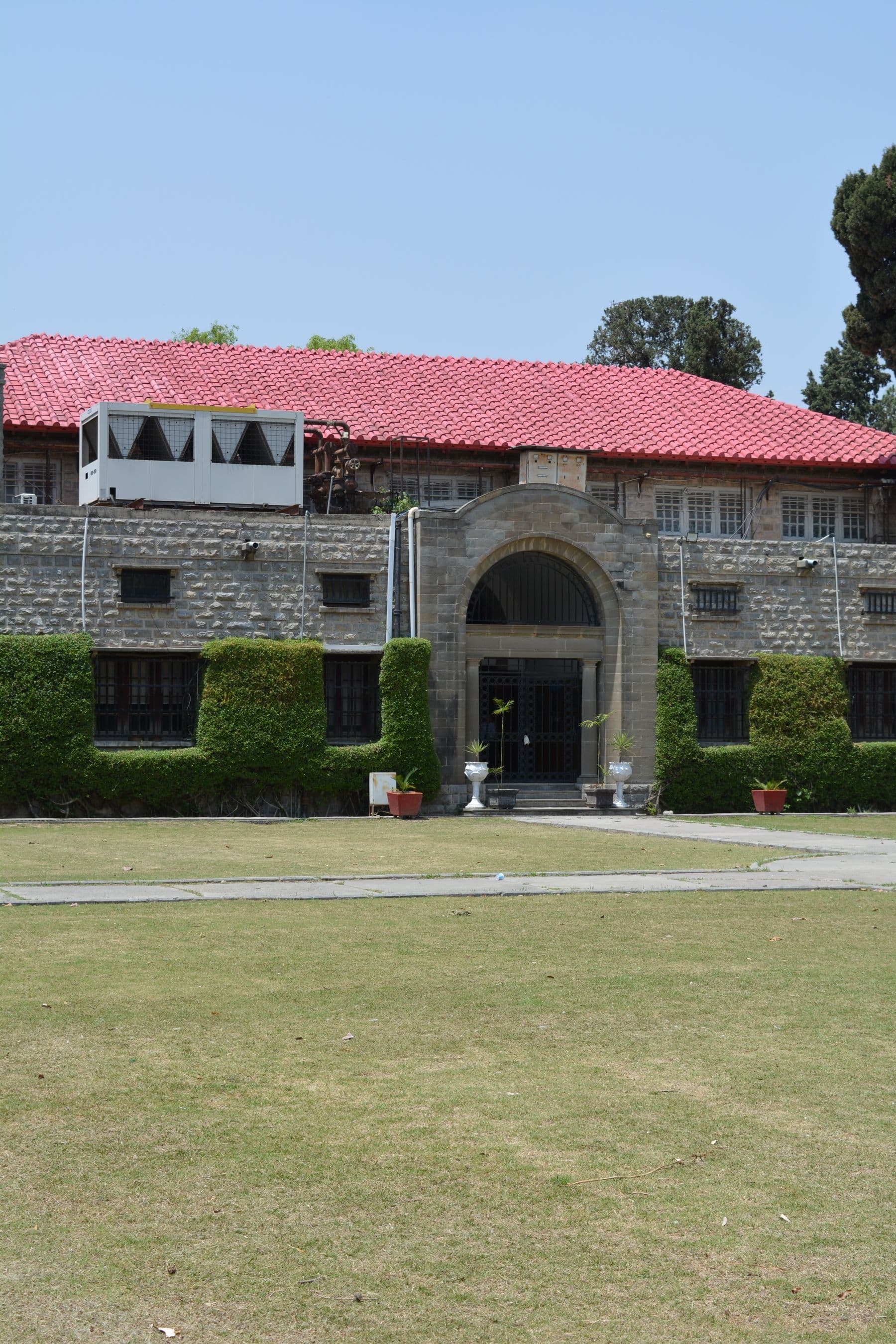
Cities, monasteries and museums along an ancient crossroads.
Plan with a local perspective.
Read practical guides for the places on this route before choosing your stops.
Build your own itineraryTourism-company journeys