
The Wayzari travel guide
Choosing a landscape worth staying for
Research checked
In Hunza, a village lane can end in a view of an entire mountain wall. Around Skardu, water, bare slopes and cultivated land sit close together, with the scale changing again as the road leaves the valley. The appeal is not simply that these places are large. It is that an ordinary activity, a walk before breakfast or a pause beside an orchard, gives you a different measure of distance.
A landscape holiday works best when the itinerary leaves time to look. Choose a valley you can live in for several nights, then add a contrasting outing. Mountains, lakes and desert should not become a list of photo stops connected by exhausted driving. This guide helps you decide where to base yourself, what to leave out and which practical details deserve attention before the journey begins.
- Good starting points
- Hunza for inhabited valleys; Skardu for lakes and wider excursions
- Suggested pace
- Four to seven nights in one mountain corridor, plus gateway travel
- Plan around
- The specific road, altitude and season, not the photograph
Hunza and Skardu are different holidays
Hunza suits travellers who want landscape close to village life. Base near Karimabad for heritage visits and walks, then consider a second stay farther along the valley if Upper Hunza is central to the trip. Repeatedly driving back to the same hotel can consume the time you hoped to spend outside. A room with a view is useful, but a location that lets you walk to dinner may make the larger difference.
Skardu is a base for a different set of outings: lake visits, Shigar, Khaplu and, when conditions allow, the high Deosai landscape. These do not all belong in a single sightseeing day. Choose between a valley-based holiday with comfortable nights and a more demanding circuit with transfers. Swat offers a greener alternative, with forested slopes and river valleys rather than the same high, dry scenery.
Decide how close you want to get
There is a substantial difference between seeing a mountain from a settled valley and walking towards it. Fairy Meadows, on the Nanga Parbat side of the region, involves a local jeep approach followed by a walk. It is not a roadside viewpoint to squeeze into spare hours. Deosai is high country, not a low meadow picnic. Ask what the outing involves before deciding whether everyone in the group will enjoy it.
You do not need a difficult trek to have a rewarding landscape trip. A short guided village walk, a carefully chosen viewpoint and a slow afternoon by a lake can be enough. If you want more walking, agree on the route, surfaces and turnaround point. Avoid a programme that describes every excursion as suitable for everyone while providing no detail about the effort required.
Choose your season for the actual route
Spring and autumn can suit lower-valley stays, with orchards or changing foliage adding interest to village walks. Summer gives more scope for high-country excursions, but a calendar month alone does not establish access. Snow clearance, rain damage and local restrictions can alter an outing. Winter is a different proposition, requiring confirmed accommodation, heating and conservative travel plans rather than a summer itinerary with warmer clothes.
Photographers should reserve more than one chance at an important view. Cloud may hide a peak all afternoon, while a brief opening the following morning changes the scene completely. Arrange dawn outings only where access is straightforward, and tell the driver in advance. A dramatic sky should not encourage an unsafe roadside stop or a rushed return after dark.
Choose a base, not just a balcony
Ask about hot water, heating, meals, steps and the approach road as well as the view. A remote property can be appealing until every meal requires another drive. Travellers with limited mobility should ask for photographs of the entrance and bathroom, not just the bedroom. If the stay is outside town, establish who handles transfers and whether a vehicle remains available.
Food is part of the landscape too. Leave time to ask what is being grown locally and which dishes the kitchen actually prepares. Do not assume a fixed restaurant menu will be available in a small guesthouse. Confirm dietary needs early, and carry a modest supply of familiar snacks for long outings without turning the journey into a trail of disposable packaging.
Spend on time and dependable transport
The main budget decisions are the gateway journey, number of bases, vehicle and accommodation standard. A low daily room rate can be outweighed by repeated private transfers. Request a price that separates the main road vehicle from local jeep outings, entrance charges and optional activities. Check whether meals and driver accommodation are included rather than comparing totals that cover different things.
Keep a margin before an essential flight or onward commitment. Weather forecasts help with clothing and the timing of outdoor plans, but do not establish that a road or flight can operate. Obtain a current confirmation from the operator and respect official restrictions. Travel lightly around fields, water channels and wildlife, and take rubbish back to a place with proper disposal.
A starting point, not a fixed programme
Ways to shape the journey
Hunza with two bases
Five to seven nights, excluding gateway transfers
Start with Karimabad and its neighbouring settlements, then move towards Upper Hunza. Reserve a quiet day for walking and changing weather rather than adding a distant detour.
A slower Baltistan stay
Five to seven nights, excluding gateway transfers
Divide time between Skardu and either Shigar or Khaplu. Add one lake outing and discuss Deosai separately, keeping it conditional on current access and the group's needs.
Before you decide
Can I combine Hunza and Skardu in a week?
It is possible to draw that route, but transfers leave relatively little time in either area. For a first landscape holiday, choose one corridor. Combine both when you can allocate a proper travel day between them and retain a buffer for changed conditions.
Do I need a 4×4 for every mountain journey?
Not every main-road journey needs one. Some side roads do require a suitable local vehicle. Ask for a stop-by-stop transport plan rather than paying for a vehicle label without knowing the road it will use.
Places with this feeling
Different places, one clear way in.
Use these guides to compare pace, season and character before adding anything to a route.
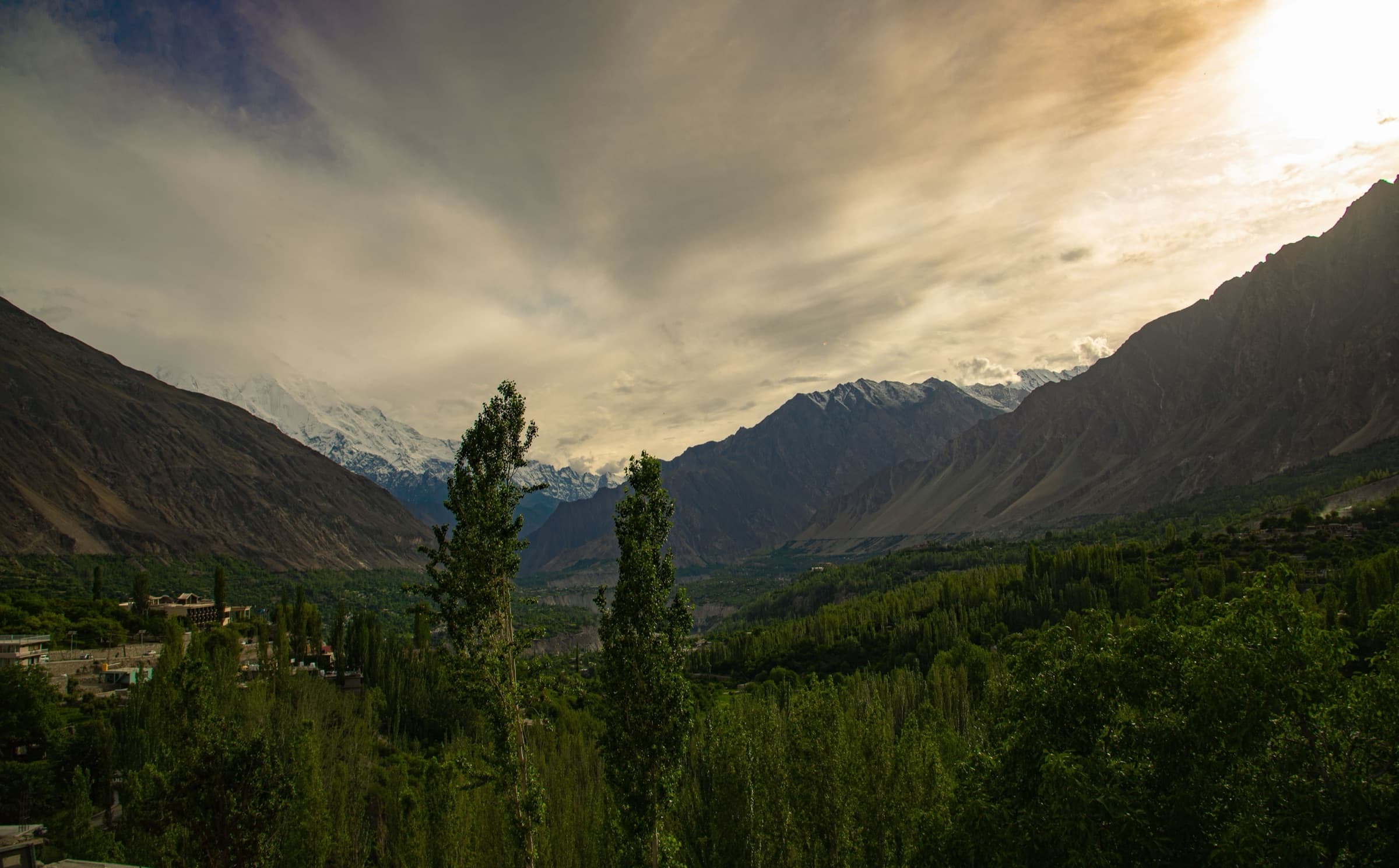
Hunza
A high valley of stone villages, orchards and immense horizons.
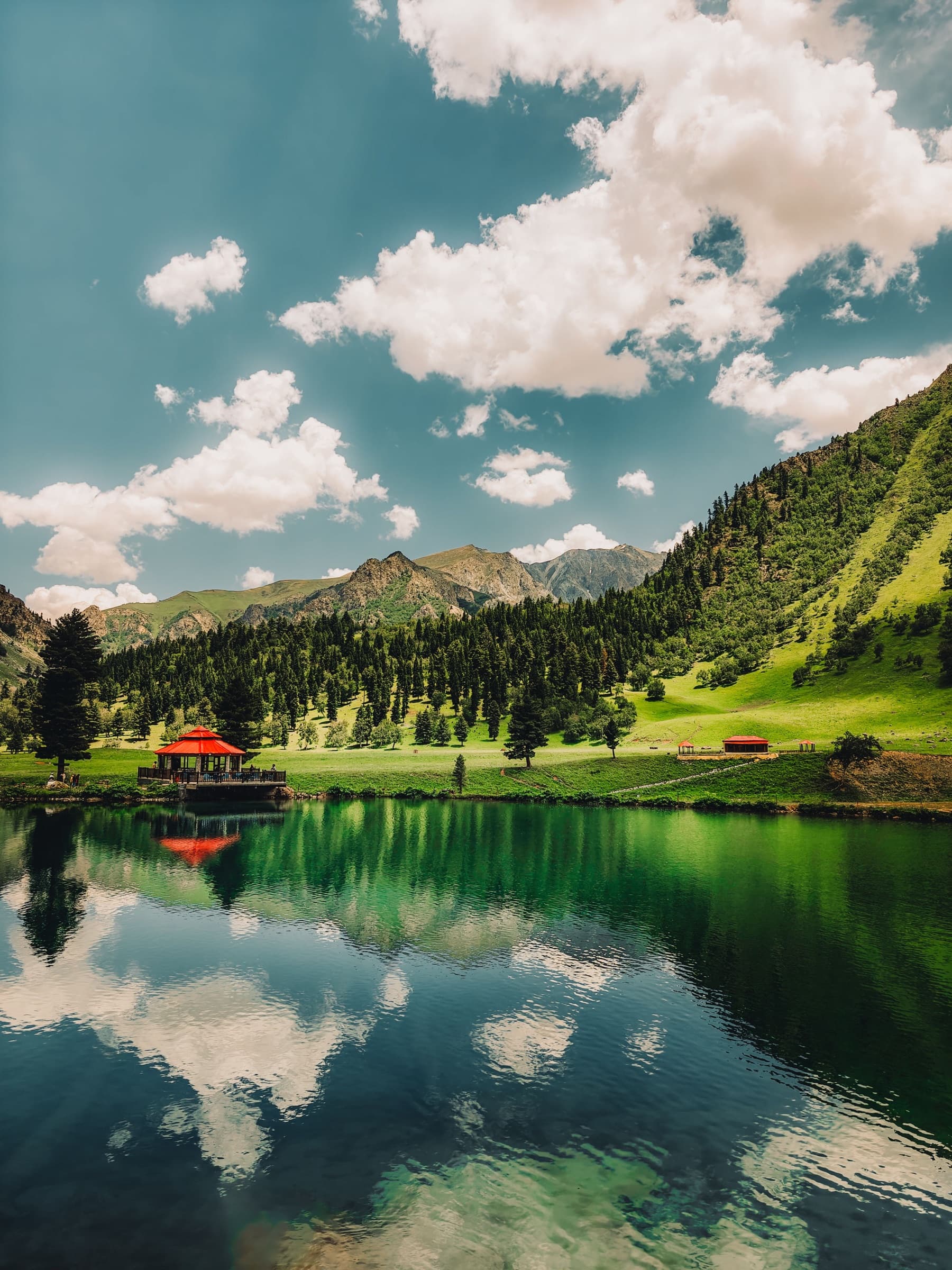
Skardu
Lakes, a high desert and the gateway to Pakistan’s great peaks.
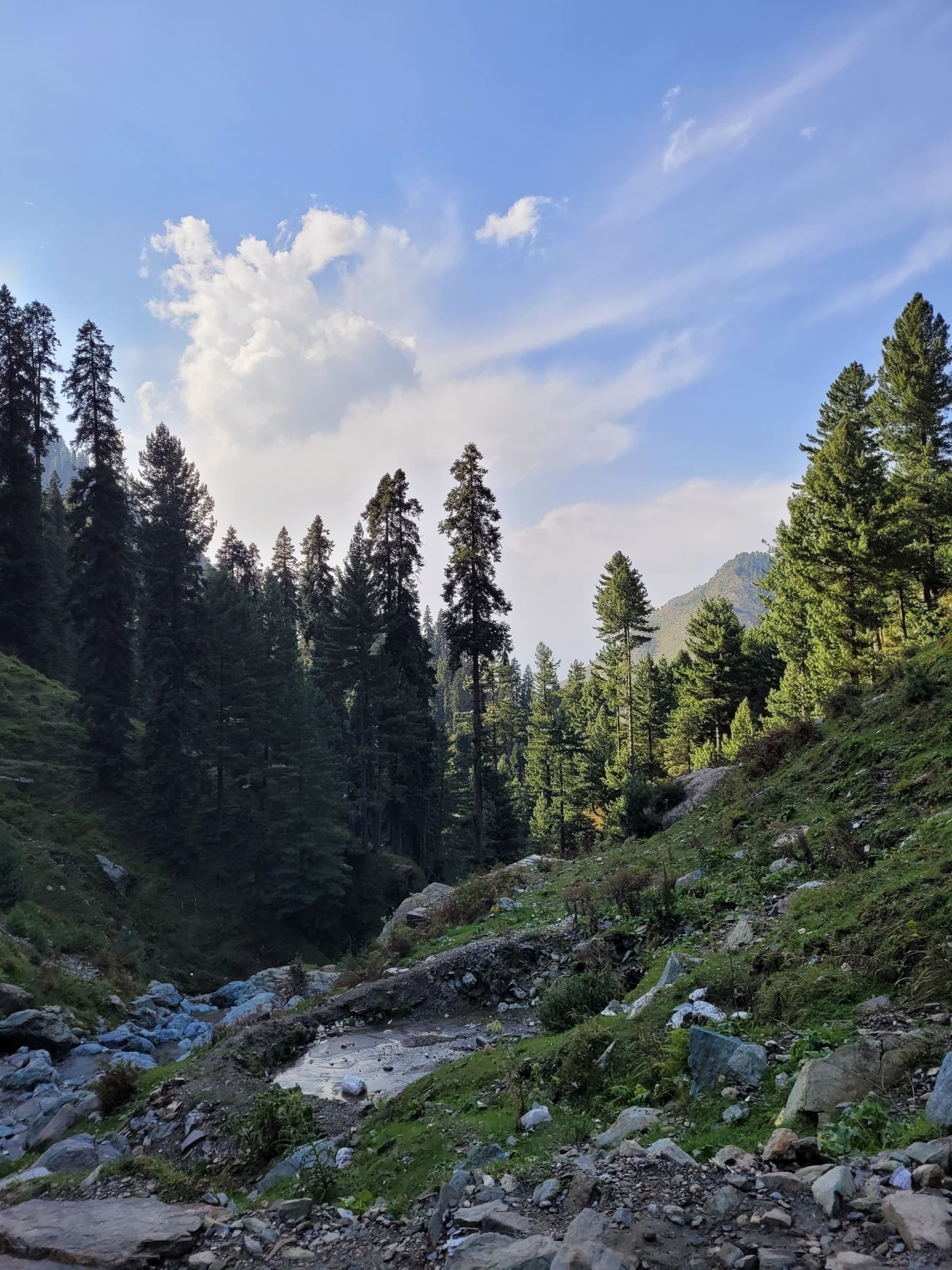
Swat
Forested valleys, mountain resorts and deep Gandharan history.
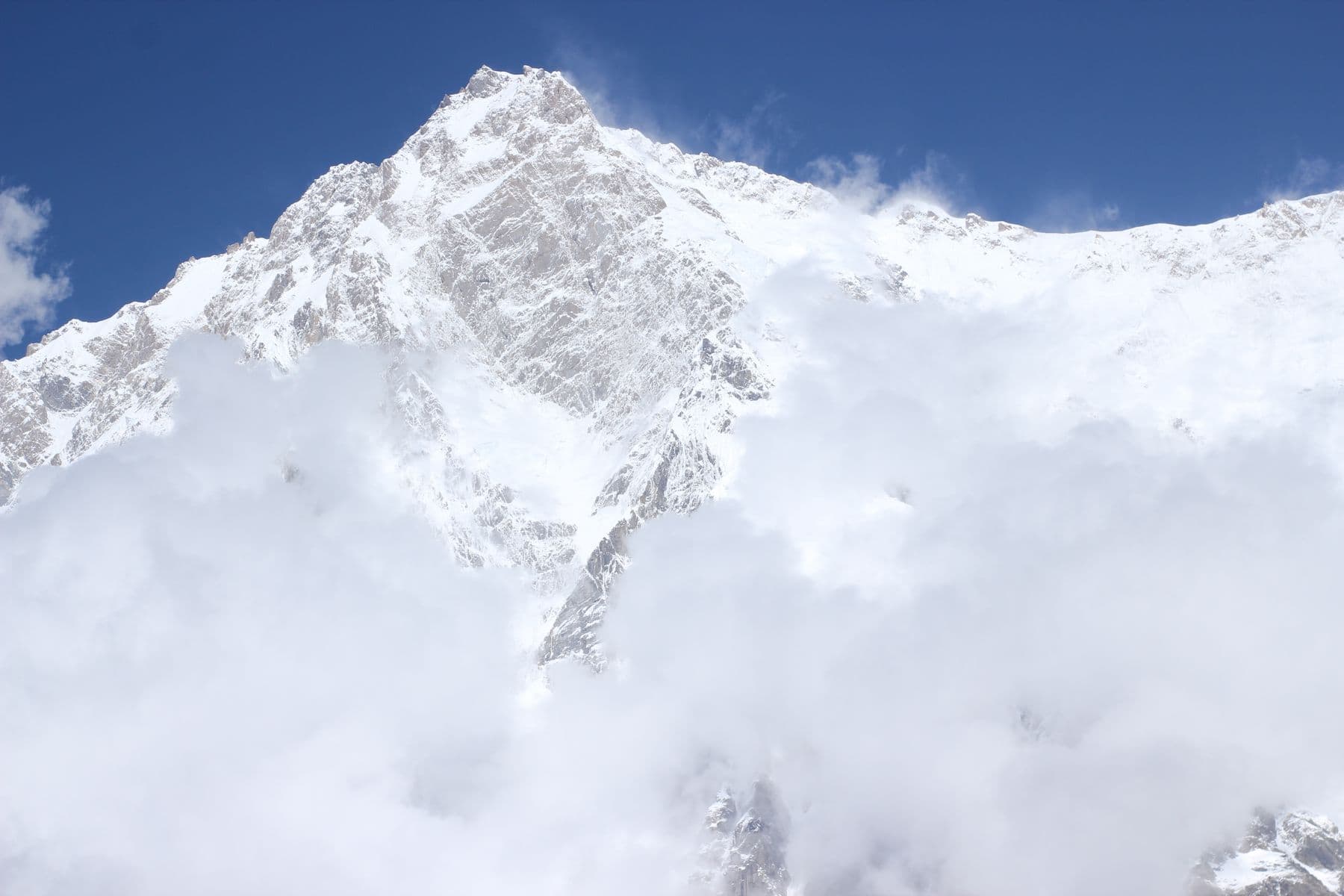
Fairy Meadows
A meadow camp facing the immense north wall of Nanga Parbat.
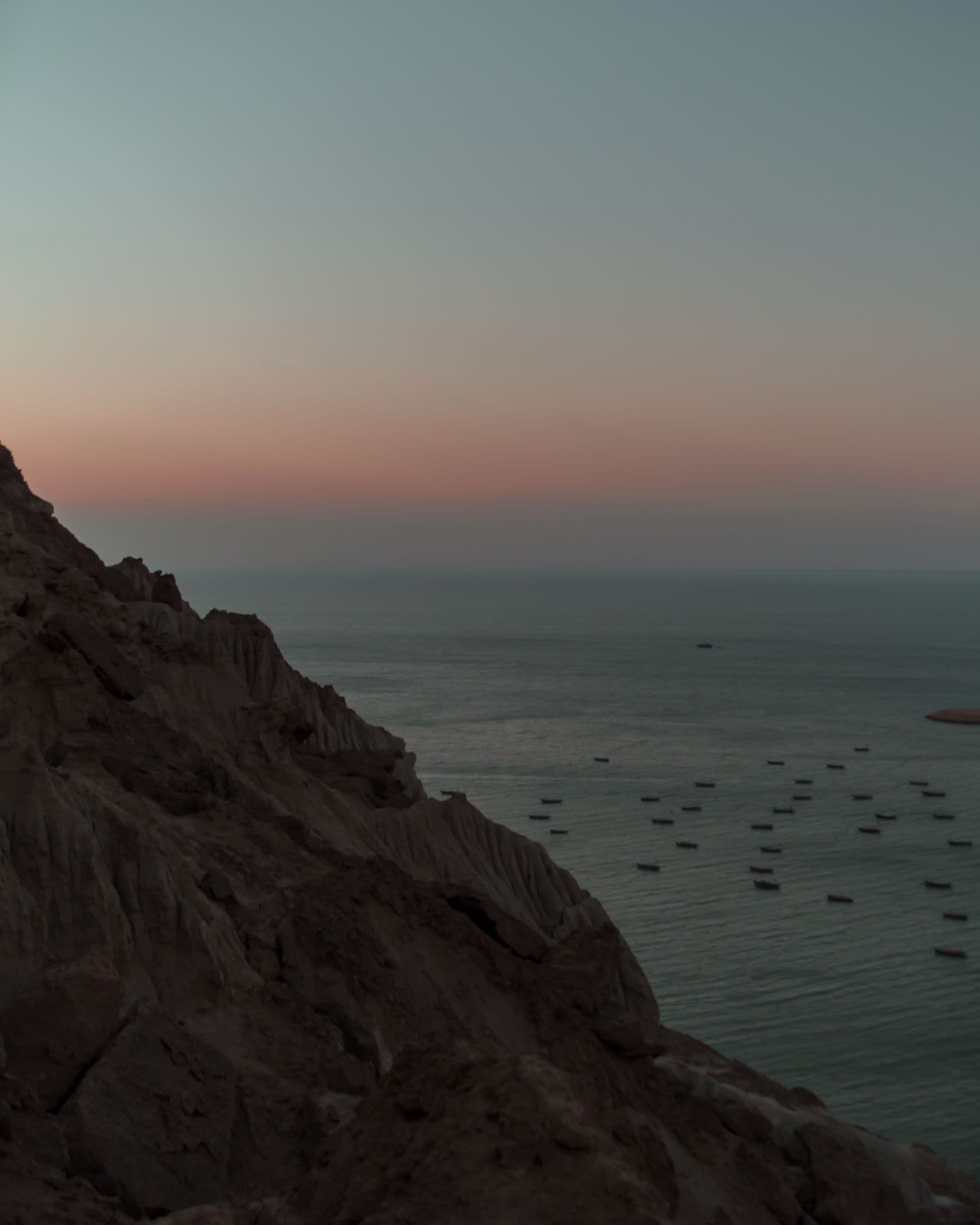
Gwadar and Hingol
A stark coast of headlands, desert formations and open sea.
Plan with a local perspective.
Read practical guides for the places on this route before choosing your stops.
Build your own itineraryTourism-company journeys