
The Wayzari travel guide
Know what the journey asks of you
Research checked
Remote country makes ordinary decisions important. Whether to continue a walk, wait for weather or turn back is no longer a minor adjustment between hotel and restaurant. The appeal is strong: a mountain face seen from a meadow, a wide plateau, a valley where the road changes the pace of the day. But the experience improves when its demands are understood before you arrive.
Choose an objective that matches your group, not the most dramatic image in a brochure. Fairy Meadows, Chitral's more remote routes, Deosai and the Makran landscape involve different terrain and support. They should not be sold under one vague promise of adventure. Ask what you will actually do, where you will sleep and how the operator will respond when the plan cannot proceed.
- Define the activity
- Remote road journey, day walk or supported multi-day trek
- Ask for specifics
- Walking effort, altitude, surfaces, facilities and communications
- Keep an alternative
- A shorter objective and a clear return or evacuation arrangement
Fairy Meadows is an approach and a stay, not a roadside stop
The approach to Fairy Meadows combines transport from the Raikot area, a local jeep track and a walk beyond the road. Conditions and the group's pace matter, so request a current description rather than relying on one universal walking time. The route is not equivalent to visiting a viewpoint from a paved car park, and a traveller unwilling to undertake the approach should choose another mountain experience.
Once at the meadow, the view of Nanga Parbat may be enough for the visit. Longer walks towards other camps or the mountain are separate commitments, not automatic additions. Ask what the guide recommends for your ability and dates. Confirm the return arrangement, luggage handling and accommodation before leaving the gateway, and allow time for weather instead of treating the climb and descent as fixed appointments.
High plains and remote valleys have different demands
Deosai is a high-altitude landscape that requires an appropriate route and current access confirmation. Decide whether you are considering a supported day excursion or an overnight plan, and ask about vehicle, facilities and conditions. Seeing wildlife is never guaranteed. Keep distance, do not feed animals and accept that the best decision may be a shorter outing or no visit at all.
Chitral can be approached through a comfortable town stay, but farther routes need a more detailed plan. A distant valley or pass is not simply an extra pin after a cultural visit. Ask where the road changes, which nights require different facilities and how local arrangements are made. Choose the actual objective before committing to a vehicle or promising that the group will cover a whole region.
Replace adventure labels with useful measurements
Ask for walking distance, expected ascent, surfaces, elevation and an explanation of the hardest section. Moderate can mean different things to different operators. A guide should be able to discuss the route in relation to your experience and give a suitable alternative. Share relevant limitations before booking rather than hoping they can be accommodated after the group is already remote.
For a multi-day trek, obtain a written plan covering guiding, support staff, meals, equipment and contingency. Establish who makes weather and turnaround decisions and how the group stays together. Do not assume that someone who drives a regional sightseeing route also provides specialist trekking support. If altitude or physical demands raise a personal health concern, get qualified advice instead of relying on a package's general reassurance.
Know what a remote night includes
A cabin, campsite and village guesthouse have different expectations. Ask about bedding, toilets, water, meals, power and shelter rather than accepting rustic as a complete description. Confirm whether sleeping equipment is supplied and which items you must bring. If luggage travels separately, know how to keep medication, warm layers and essential documents with you.
Pack for the precise route. Layers, appropriate footwear, sun protection and weather-resistant essentials matter more than a large collection of gadgets. Keep spare power and offline route details where useful, but do not assume a phone replaces local knowledge or a communications plan. Reduce disposable packaging before departure and agree how the group will carry its waste back to a serviced location.
Agree on the plan that replaces the plan
A reliable operator explains how an objective can change. Ask what happens if the road is blocked, the weather worsens or someone needs to stop. Identify the nearest practical support and the communications available along the route. A vague promise that help can always be called is not enough when coverage may be poor. Keep a trusted contact informed of the programme and changes.
Check current official advice and local access confirmation before leaving. Seasonal descriptions are useful background, not permission to continue through a closure. Build spare time into the itinerary and avoid placing an essential flight immediately after a remote outing. Turning back is a normal planning outcome, not a failure that a guide should be pressured to avoid.
Wild country is not only in the mountains
The Makran coast can feel remote for different reasons: long distances, exposure and services that need advance confirmation. Plan water, fuel, overnight accommodation and permitted outings with an experienced operator. A coastal journey is not a trek by default, but still requires a clear plan. Sensitive sites and local restrictions remain relevant even where a landscape looks empty.
Across all remote areas, stay on established routes, keep noise down and respect the work and decisions of local people. Avoid shortcuts through vegetation, fields or unstable ground. Budget for competent guidance and a contingency night instead of spending everything on reaching the most ambitious objective. Preparation should let you appreciate the place, not become an excuse to disregard its limits.
A starting point, not a fixed programme
Ways to shape the journey
Fairy Meadows with breathing room
Three or four nights across the approach and stay
Arrange the gateway, local jeep and guided walk as explicit stages. Stay long enough to avoid a rushed descent, and consider longer walks only as separately assessed options.
A supported Chitral extension
Several additional days beyond the gateway stay
Choose one remote objective after discussing access, ability and overnight standards. Keep a town-based alternative and do not promise multiple passes or valleys without a detailed route review.
Before you decide
Do I need trekking experience for this theme?
It depends on the activity. A remote road outing and a multi-day trek are not equivalent. Ask for the actual effort and support, then choose accordingly. Do not let a broad adventure label substitute for an honest route description.
What should a responsible operator explain before booking?
The route, effort, accommodation, equipment, communications, access requirements and changed-plan arrangements. You should know who makes operational decisions and which costs apply if an objective cannot proceed. A guaranteed view or wildlife encounter is not a substitute for those details.
Places with this feeling
Different places, one clear way in.
Use these guides to compare pace, season and character before adding anything to a route.
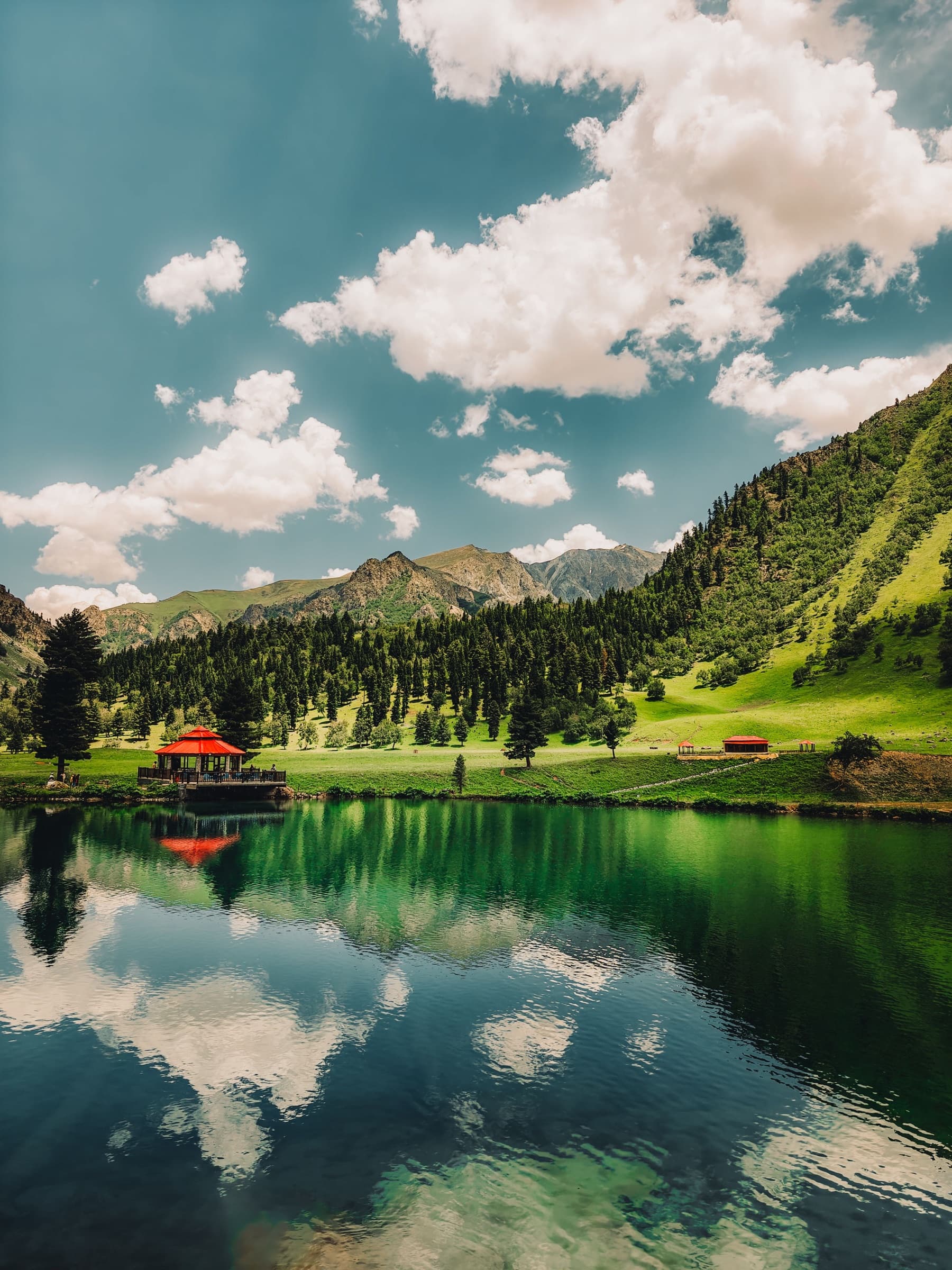
Skardu
Lakes, a high desert and the gateway to Pakistan’s great peaks.
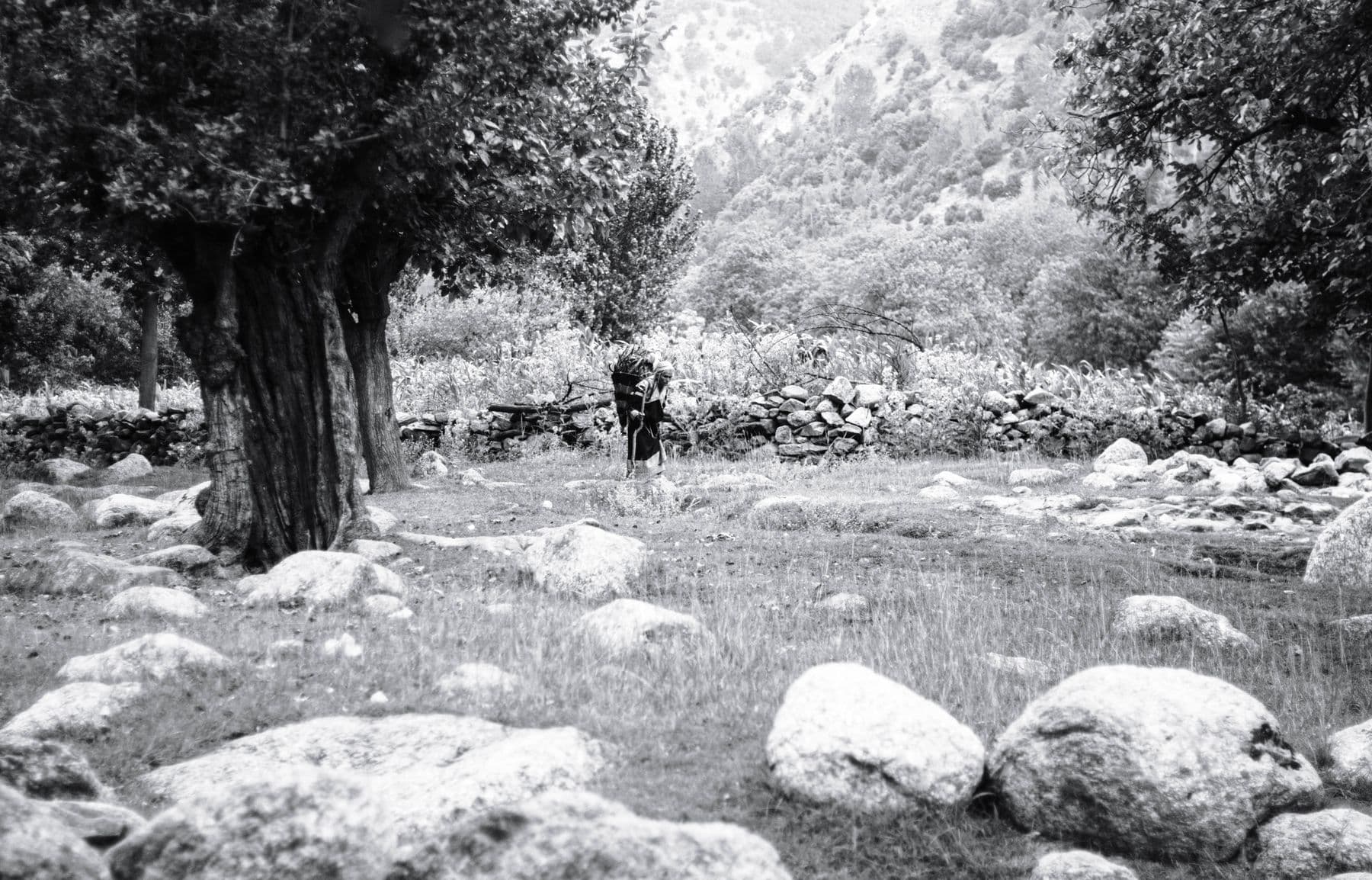
Chitral
A mountain town opening into the valleys of the Hindu Kush.
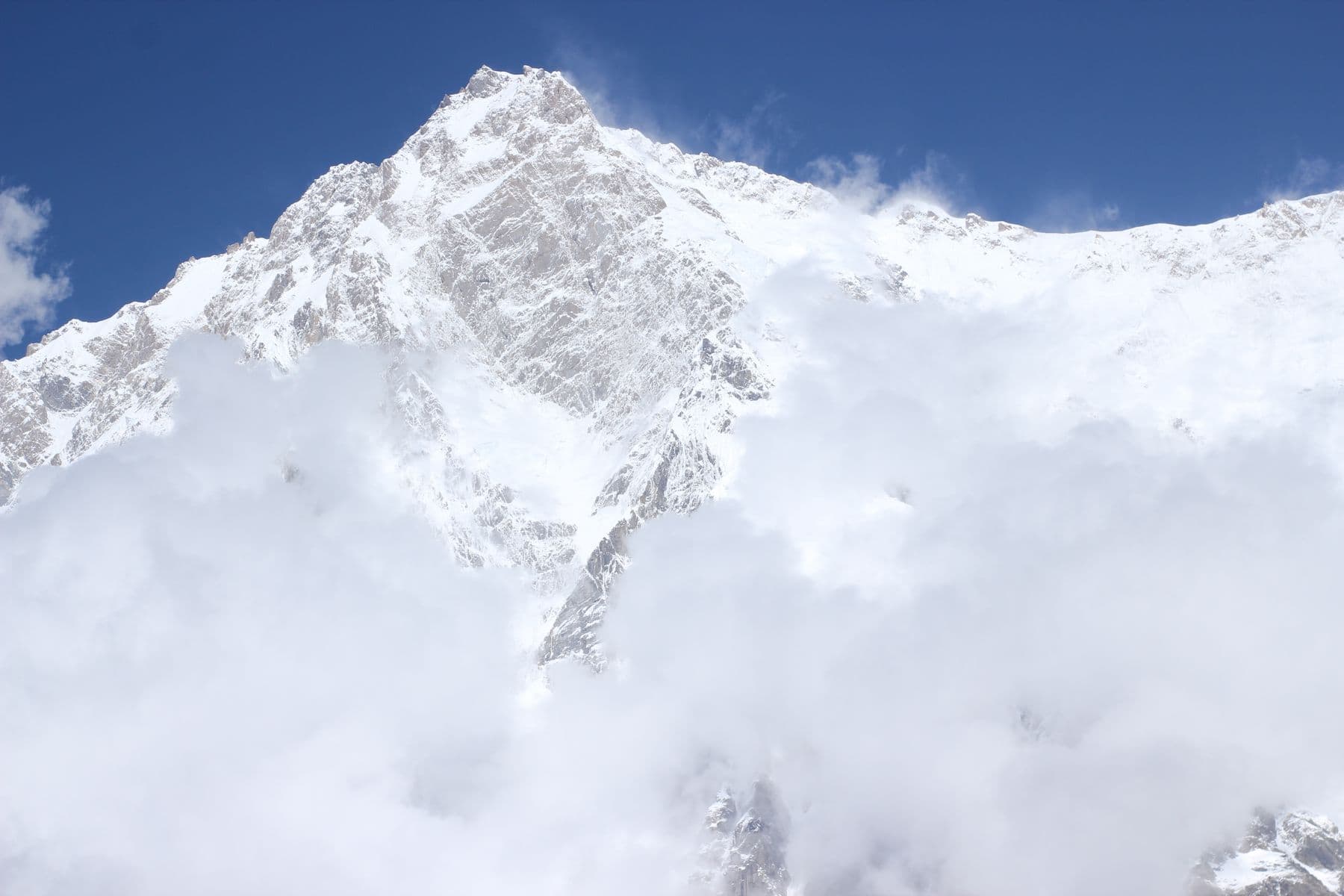
Fairy Meadows
A meadow camp facing the immense north wall of Nanga Parbat.
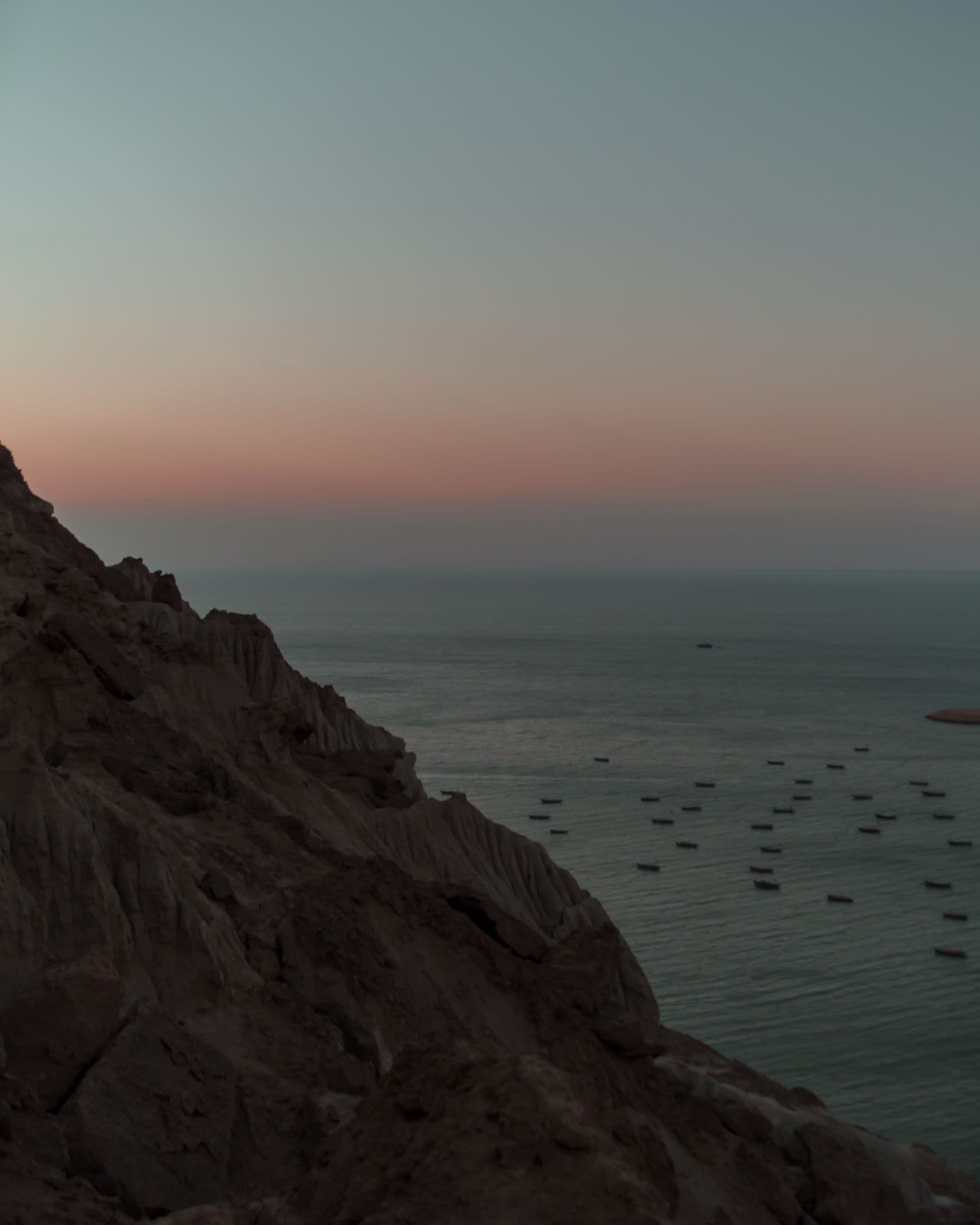
Gwadar and Hingol
A stark coast of headlands, desert formations and open sea.
Plan with a local perspective.
Read practical guides for the places on this route before choosing your stops.
Build your own itineraryTourism-company journeys
A route already taking shape.
Use these destinations to plan an independent journey, or explore packages that fit your departure point and travel dates.