
The Wayzari regional guide
Choose a valley, then make room for its history
Research checked
Khyber Pakhtunkhwa is too varied to be understood as one mountain holiday. A museum in Peshawar, the archaeological landscape of Swat, a river journey towards Kalam and a stay in a Kalash valley offer different encounters. Even the greener landscapes change character between corridors. The satisfying trip is the one that chooses a direction and gives both the scenery and the people enough time.
For a first visit, compare Swat, Chitral and Kaghan as separate options. Consider the journey from your departure city, the season and how much driving your group genuinely enjoys. A short holiday does not improve by combining every famous valley. Choose one region within the province, build sensible overnight stages, and add a museum or heritage visit so that the landscape has a story beyond the view.
- Choose a corridor
- Swat, Chitral and Kalash, or Kaghan
- Allow
- Four to six nights in one valley system, plus transfers
- Add context
- Museums and local guides help connect scenery with history
Swat: separate heritage days from upper-valley outings
Lower Swat can support museum and archaeological visits, while the journey towards the upper valley changes the emphasis to forest, river and mountain scenery. Choose overnight bases for those different aims. A hotel convenient for a heritage visit may not be the best starting point for a long upper-valley outing. Count the road time in both directions before describing an excursion as an easy day.
Kalam can anchor a slower stay rather than become the furthest point of a rushed out-and-back journey. Local excursions beyond the main road need separate descriptions of the vehicle, walking and access conditions. Agree which outings suit the group and leave an alternative for poor weather. A river view is appealing, but accommodation should also be judged by its approach, room facilities and practical access to meals.
Chitral and Kalash: travel for a stay, not a spectacle
Chitral can serve as a gateway and a worthwhile stop in its own right, with a museum visit helping introduce the surrounding area. The Kalash valleys require their own transport and accommodation planning. Bumburet, Rumbur and Birir are inhabited communities, not interchangeable festival venues. Choose a host or guide who understands what kind of visit is welcome and how payment benefits the people involved.
Festival dates, visitor arrangements and accommodation availability should be confirmed locally. A quieter visit outside a festival can offer meaningful walks and conversation without requiring anyone to perform for the traveller. Ask permission before photographing people and respect private or sacred spaces. The route into Chitral and the approach to a valley must be checked for the actual dates rather than inferred from an attractive summer photograph.
Kaghan: distinguish a valley holiday from a through-route
Naran and the Kaghan corridor can form a holiday of their own, with mountain scenery and local outings arranged from a suitable base. They can also appear in an onward northern itinerary, but those are different programmes. A seasonal through-route should never be treated as automatically available because the lower valley can be reached. Establish which approach will be used and what the alternative means for the schedule.
An outing towards Saif-ul-Muluk needs more information than a lake name: local transport, surface conditions, walking expectations and the amount of time outside. Families should ask about bathroom access and the return journey. Keep a flexible day when the main attraction depends on suitable conditions. An itinerary that changes responsibly can be a better holiday than one that insists on reaching every promised point.
Give the province's history a place in the journey
Peshawar offers a cultural and museum-led alternative to a purely scenic tour. The provincial archaeology directorate lists museums in Peshawar, Swat, Chitral and other centres, giving travellers ways to understand objects and regional histories before visiting sites. Confirm which museum suits the route and its current hours. A thoughtful indoor visit can provide context that remains useful for the rest of the holiday.
Avoid treating all archaeological remains as belonging to one period or presenting living communities as unchanged survivals of an ancient past. Ask a guide to explain what is supported by evidence and what is local tradition. Urban walks should be planned with local knowledge, appropriate conduct and the current situation. Heritage is most valuable when it helps you notice more, not when it supplies a dramatic story for every stone.
Let the route, not the provincial label, decide the season
A city visit, a lower-valley stay and a high outing do not share one ideal travel window. Summer can support more mountain excursions, while heat, rain and traffic still shape the journey. Winter needs confirmed accommodation and conservative expectations about upper routes. Obtain current information for each road and outing, including any applicable restrictions, rather than treating a forecast or an old package description as clearance.
Arrange daylight stages and confirm the vehicle used for the main road versus local outings. Ask about luggage, seating, driver accommodation and fuel in the quoted price. Long transfers should include rest and meal stops without being advertised as full sightseeing days. Keep a sensible margin at the end of the trip and make sure the whole group understands how an access-related change will be handled.
Book for comfort and spend locally with care
In a mountain property, hot water, heating, room access and meals can matter more than a decorative star label. Ask for the actual room arrangement and whether a vehicle is needed to reach ordinary services. A local meal, a craft encounter or a guided neighbourhood walk gives variety to a scenery-heavy itinerary. Arrange dietary requirements early and do not assume every small kitchen can satisfy last-minute requests.
Compare costs by their inclusions and keep reserve cash for places without dependable electronic payment. Respect household privacy, dress appropriately for the setting and ask before taking portraits. Do not leave litter at riverbanks or viewpoints, and avoid loud music in shared village spaces. Travel that pays fairly for guiding and hospitality is more rewarding than expecting local people to provide an unlimited welcome without compensation.
A starting point, not a fixed programme
Ways to shape the journey
Swat with two different rhythms
Five or six nights, plus gateway travel
Allow time in lower Swat for museum and heritage context, then stay farther up the valley for scenery and selected local outings. Leave a day that can adapt to conditions.
Chitral and one Kalash valley
Five or six nights, plus gateway travel
Start in Chitral, continue to a community-aware valley stay and keep the return comfortably staged. Add another valley only when the hosts, transport and available time support it.
Before you decide
Can Swat, Naran and Chitral fit one short trip?
Combining them usually sacrifices time in the places themselves. Compare the transfers and choose one corridor for a short holiday; extend the trip if several distinct areas are essential.
Are upper-valley roads open throughout the year?
Do not assume so. Snow, weather damage and restrictions can affect individual routes. Ask for current confirmation of the exact road and planned outing close to departure.
Places in the region
Different places, one clear way in.
Use these guides to compare pace, season and character before adding anything to a route.
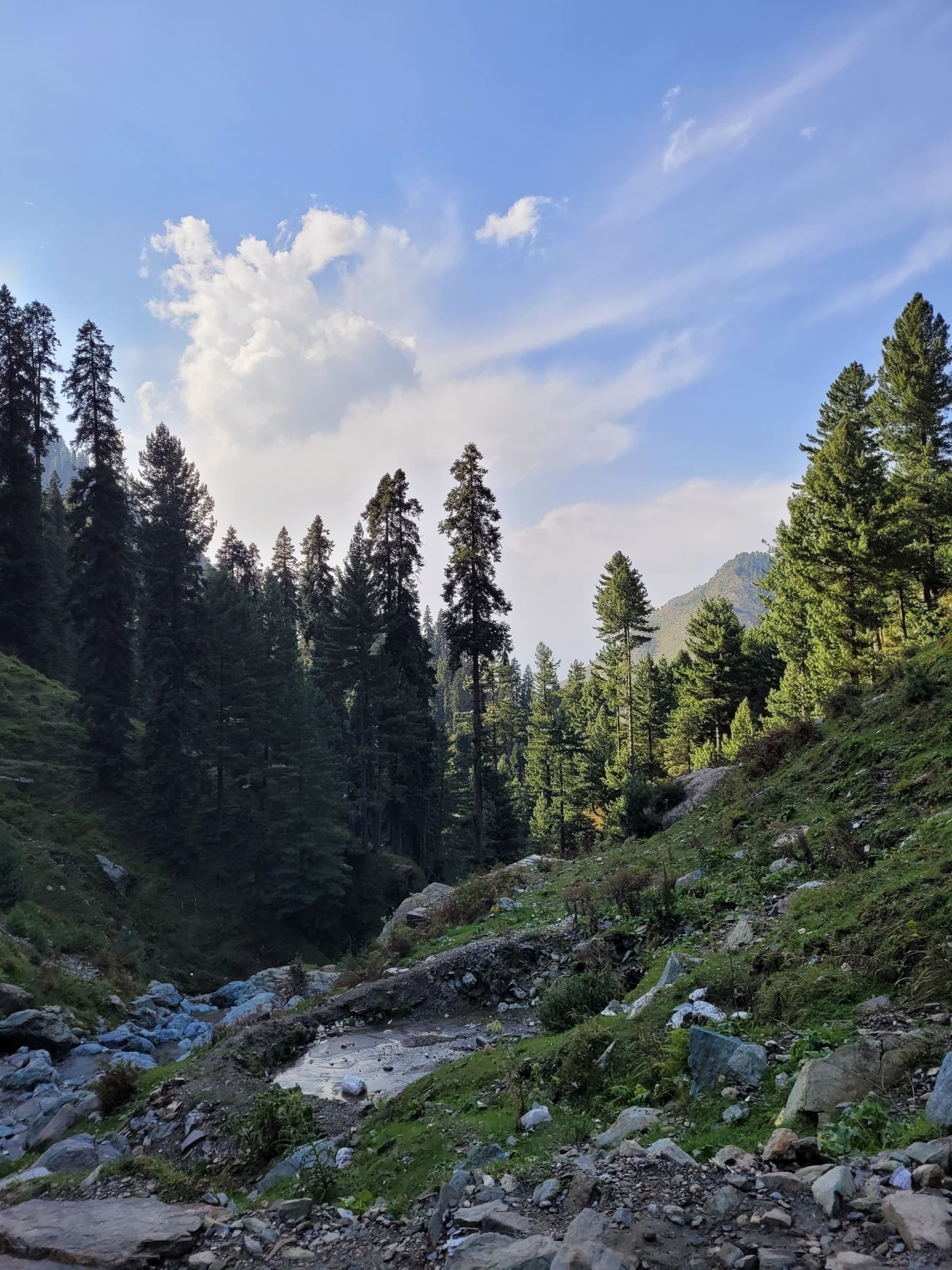
Swat
Forested valleys, mountain resorts and deep Gandharan history.
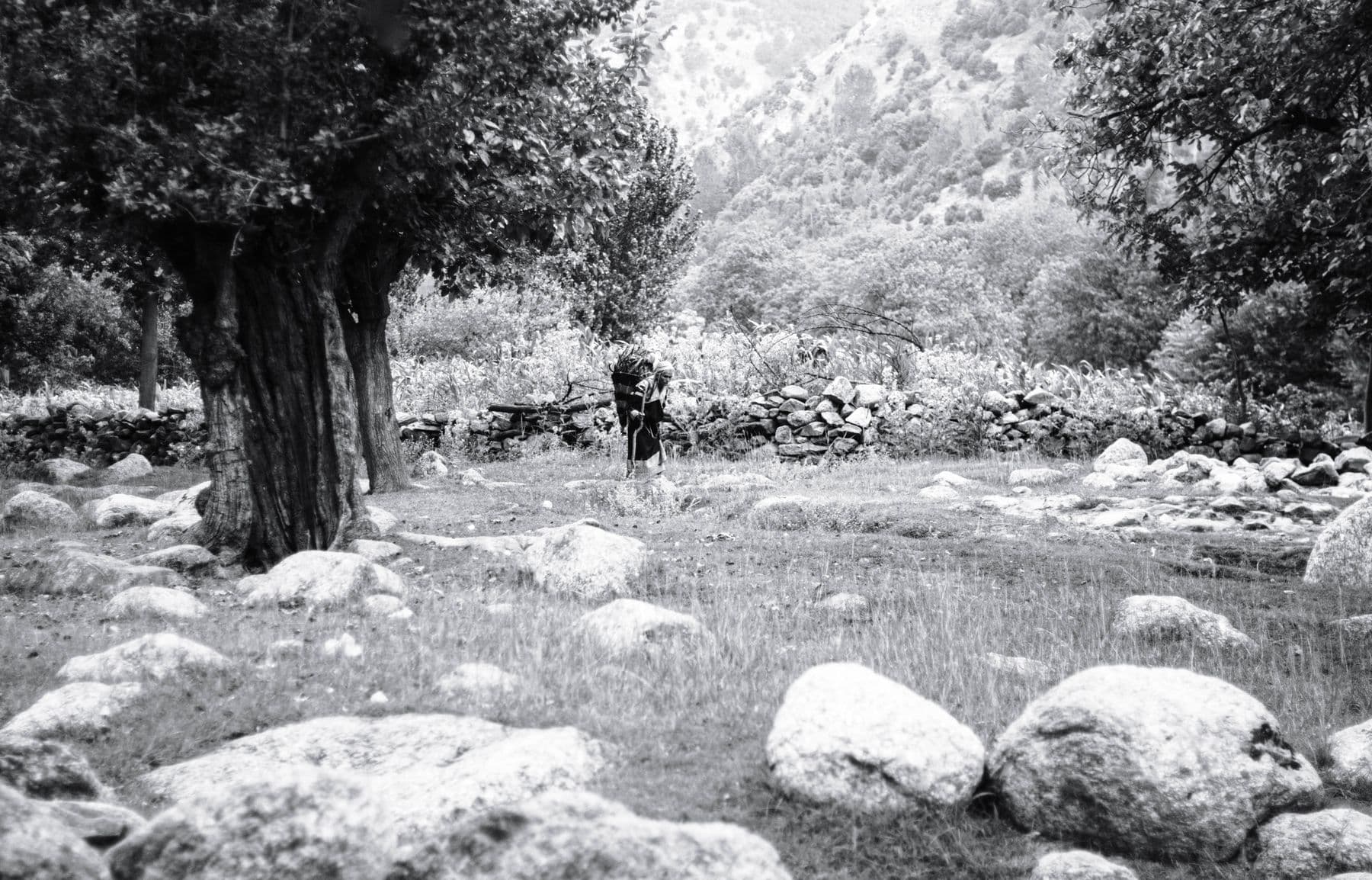
Chitral
A mountain town opening into the valleys of the Hindu Kush.
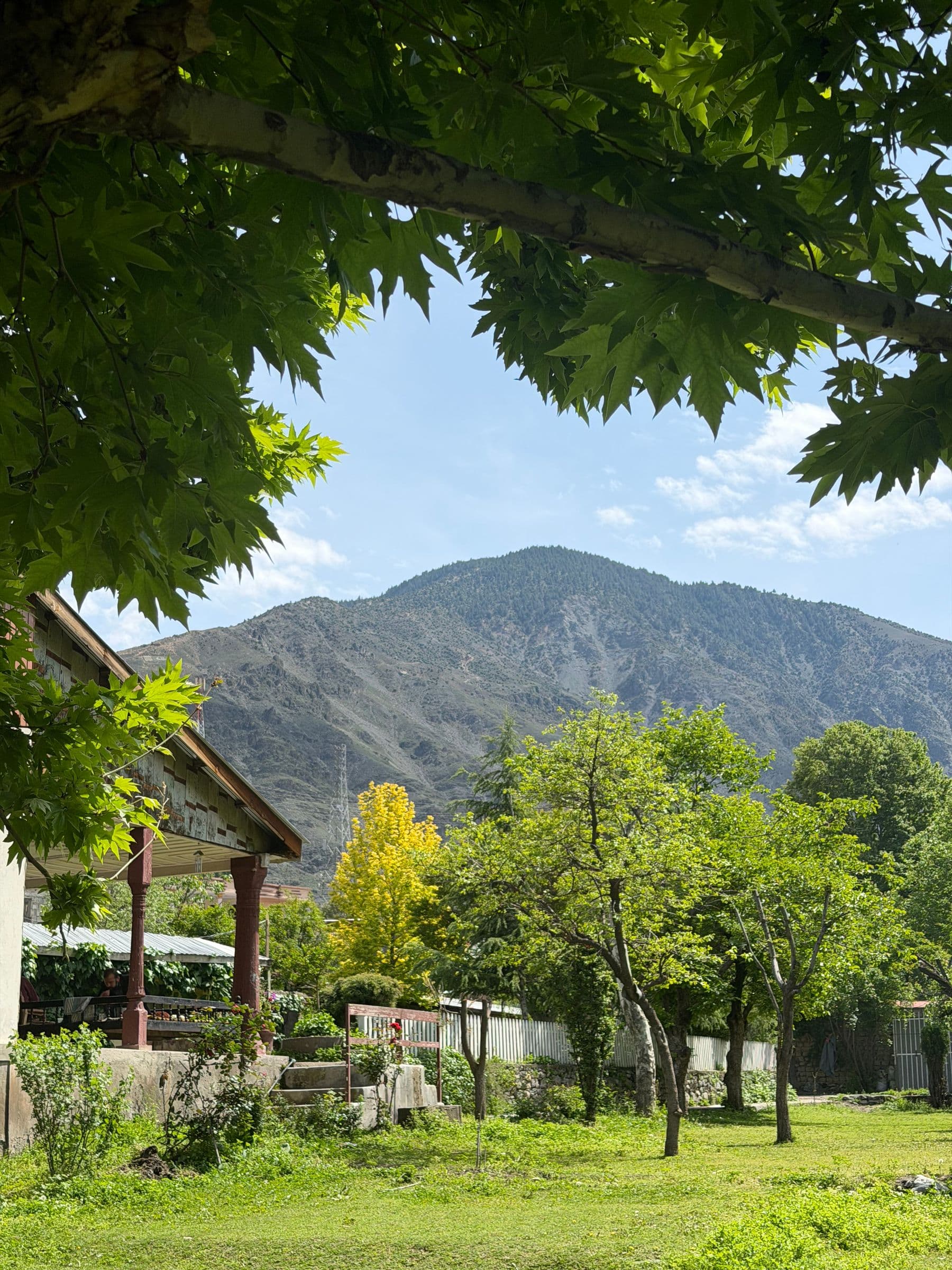
Kalash Valleys
Three close valleys with a culture and calendar entirely their own.
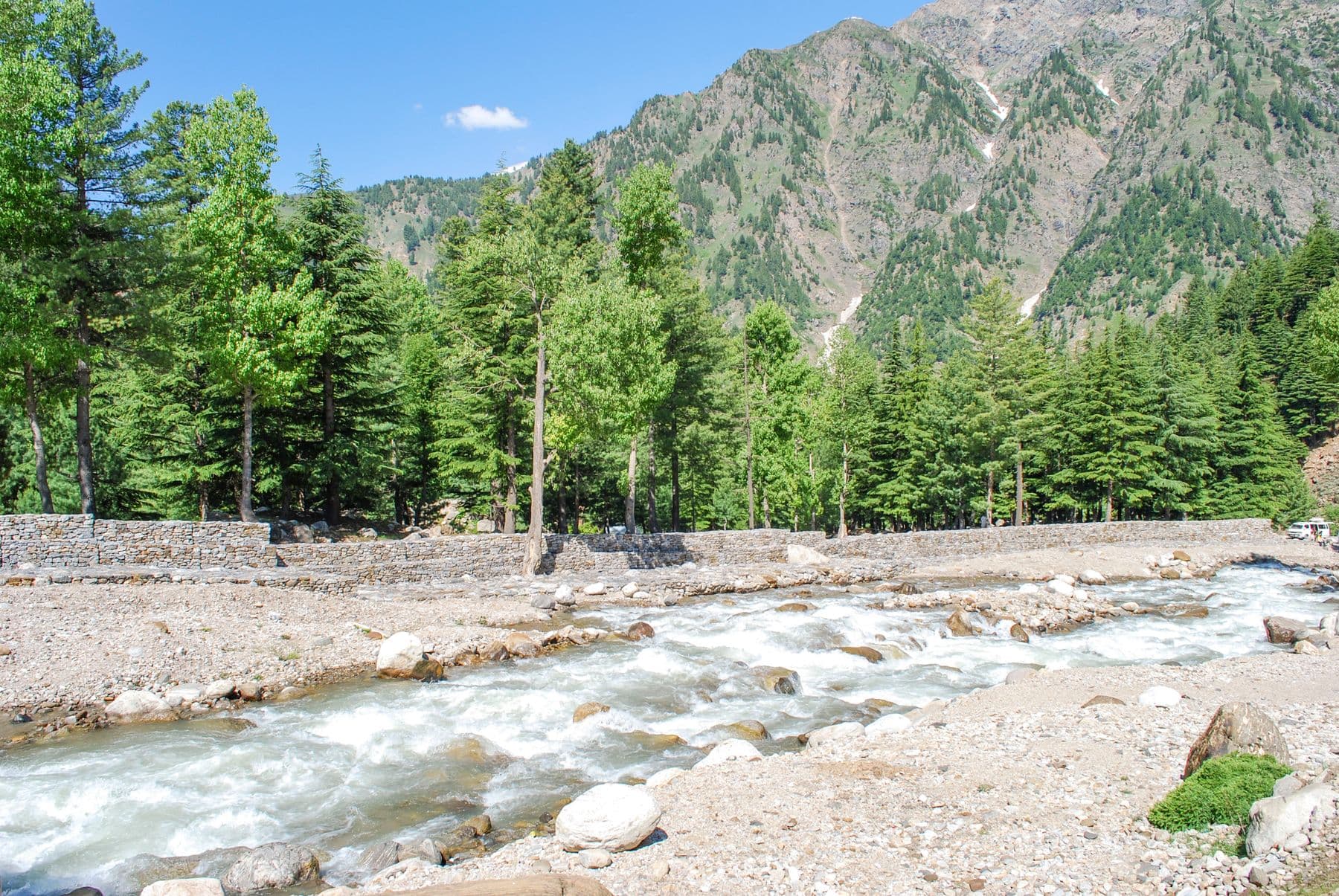
Naran and Kaghan
River valleys, alpine lakes and a celebrated seasonal road.
Plan with a local perspective.
Read practical guides for the places on this route before choosing your stops.
Build your own itineraryTourism-company journeys
A route already taking shape.
Use these destinations to plan an independent journey, or explore packages that fit your departure point and travel dates.